BSE Sensex Drops to Lowest Level Since February 2024
The BSE Sensex fell 1.4% to 71,593.24 points, marking its lowest point in over two years amid rising crude prices and RBI's interest rate hike.
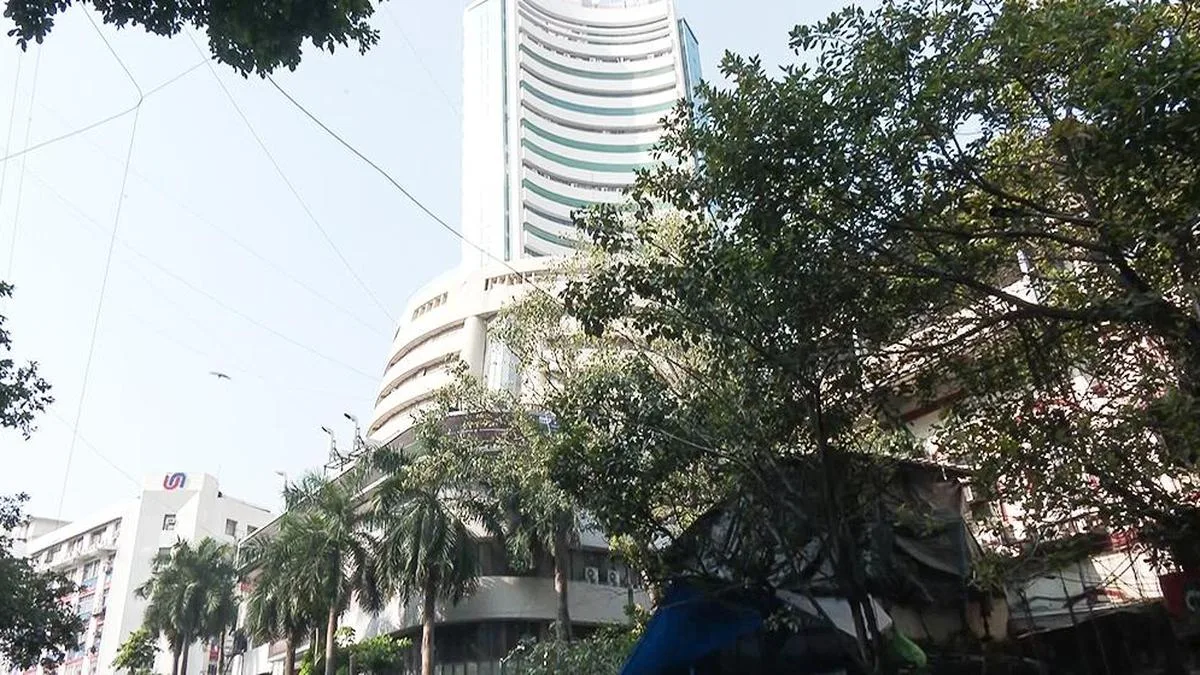
Sensex and Nifty 50 hit their lowest levels in 18 months and since February 2024, respectively.
Rising crude oil prices and a weakening rupee contribute to market decline.
Market analysts predict further downturn as earnings season approaches.
On October 8, 2026, the BSE Sensex experienced a significant drop of 1.4%, closing at 71,593.24 points, its lowest level since February 2024. Concurrently, the Nifty 50 index fell 1.6% to 22,231.80 points, reflecting a broader trend of declining stock values amid various economic pressures.
The downturn in the stock market is attributed to several factors, including escalating global crude oil prices, which have surged to $103 per barrel, and a persistent decline in the Indian rupee, which recently traded at 96.85 per dollar. Additionally, the market is bracing for the upcoming Q2 earnings season, creating a cautious atmosphere among investors.
Market analysts have noted that the recent fall follows a sharp reaction to the Reserve Bank of India’s Monetary Policy Committee's decision to increase interest rates by 5 basis points. This policy shift from a neutral stance to 'calibrated tightening' has left investors uncertain about future rate hikes. Nandish Shah from HDFC Securities indicated that the breach of key support levels signals increased selling pressure, while Ajit Mishra from Religare Broking warned that the market recovery seen earlier this year may have ended.
The implications of these developments extend beyond the stock market, affecting investor sentiment and economic stability in India. As crude prices continue to rise due to geopolitical tensions in West Asia, concerns about supply disruptions are growing. This situation is compounded by the tightening of both domestic and global monetary conditions, which could lead to further volatility in the markets.
Looking ahead, market participants are advised to focus on the upcoming Q2 earnings reports, where insights into demand sustainability and cost management will be critical. Vinod Nair from Geojit Investments emphasized that these factors will significantly influence market direction in the near term, as investors navigate through uncertainty and potential further declines.