Brent Crude Surpasses $106 Amid Escalating Tanker Attacks
As tensions rise in the Strait of Hormuz, Brent crude prices exceed $106, driven by intensified tanker assaults and dwindling global oil inventories.
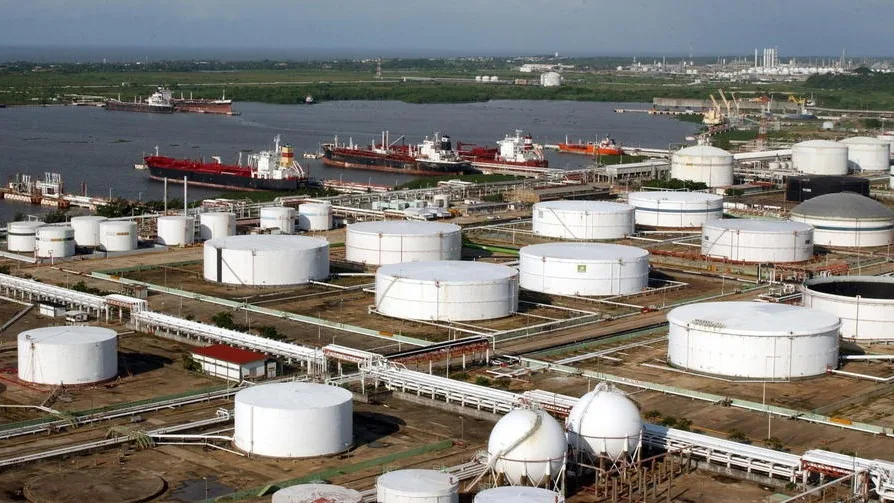
Brent crude prices have risen above $106 due to increased tanker attacks.
Global oil inventories are nearing critical levels, prompting concerns among industry leaders.
The situation in the Strait of Hormuz is deteriorating, with a significant rise in tanker assaults.
Brent crude oil prices have surged past $106 as tensions escalate in the Strait of Hormuz, primarily due to intensified attacks on tankers by Iranian forces. This spike in prices comes amid a backdrop of declining global oil inventories, raising alarms within the energy sector about potential supply shortages. The situation has become increasingly precarious, with industry executives warning that the cushion of emergency oil supply is thinning rapidly.
Historically, the oil market has been influenced by geopolitical events, particularly in the Middle East. In the past, statements from U.S. officials regarding peace talks could stabilize prices. However, recent developments suggest that such reassurances are no longer effective. The ongoing conflict has led to a significant disruption in oil flows, with Gulf states attempting to adapt by utilizing alternative transport methods, including ship-to-ship transfers. Despite these efforts, the situation remains volatile, particularly with the involvement of groups like the Yemeni Houthis targeting Saudi energy infrastructure.
Recent reports indicate that while some Gulf producers have restored oil flows to pre-war levels, prices continue to rise. Tanker tracking services have noted that movement numbers are close to pre-war rates, yet the risks associated with transporting oil from the Persian Gulf have driven freight rates to unprecedented highs. This increase in shipping costs now constitutes a substantial portion of the overall price of oil, further complicating the market dynamics.
The frequency of tanker attacks has also escalated, with multiple incidents reported in October alone. Maritime analysts have documented a surge in assaults, raising concerns about the safety of shipping routes in the region. The U.S. Navy's presence has not alleviated these dangers, as the Strait of Hormuz becomes increasingly perilous for commercial vessels.
Looking ahead, the outlook for the oil market remains uncertain. With the loss of billions of barrels since the onset of the conflict and dwindling global stocks, energy executives emphasize the need for caution in releasing additional supplies. The current state of the market suggests that prices may continue to rise, driven by fundamental supply and demand dynamics rather than speculative trading. The situation calls for close monitoring as developments unfold in the coming weeks.