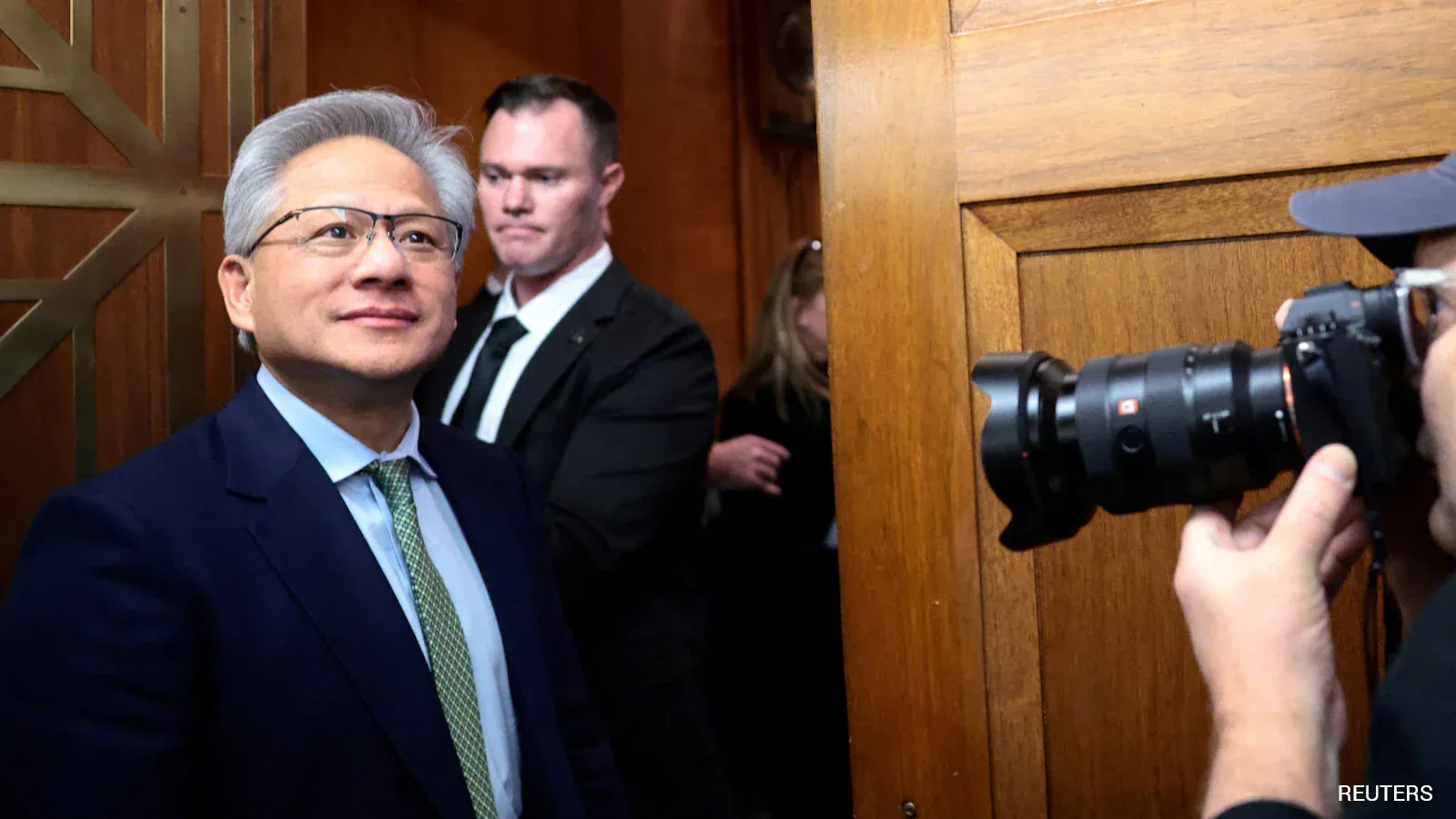
Allegations of Abuse Against Nvidia's Jensen Huang Resurface
Long-standing claims of verbal abuse and misconduct by Jensen Huang, Nvidia's former CEO, have come to light amid scrutiny of his leadership.
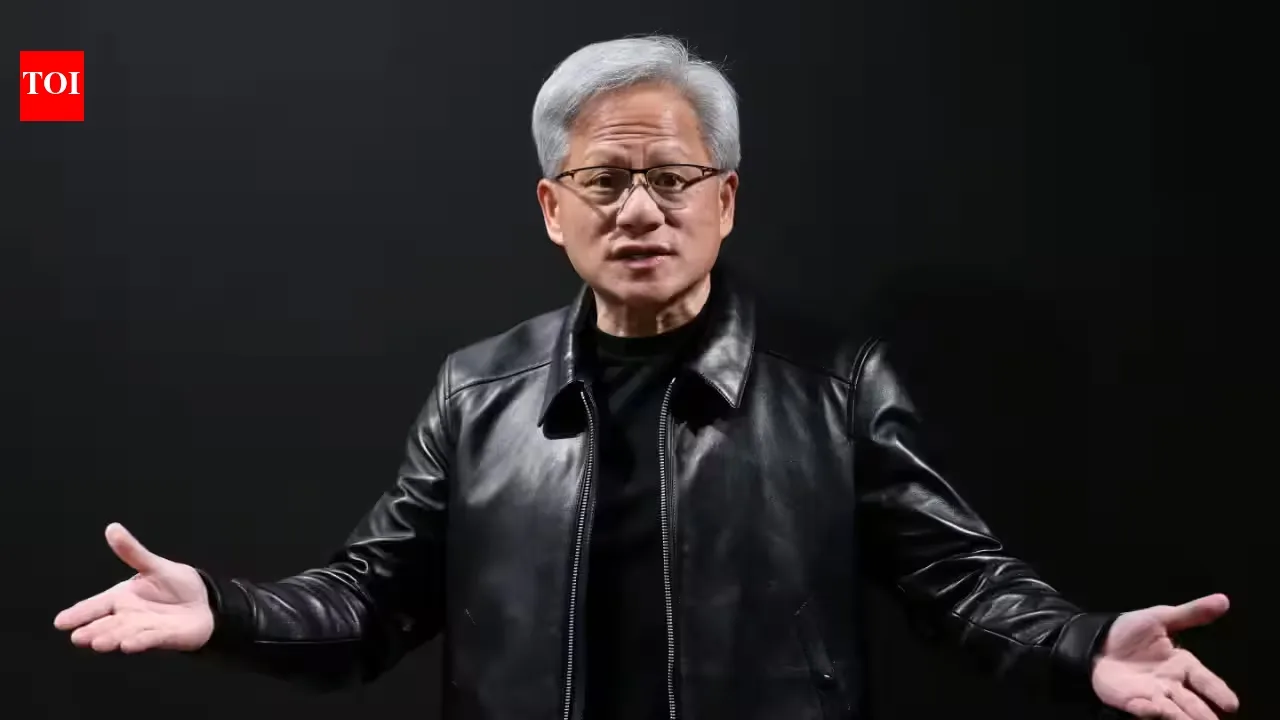
Allegations from 2007 lawsuit detail verbal abuse and intimidation by Huang.
Two former employees claimed retaliation after raising concerns about Huang's behavior.
Huang's leadership is under scrutiny following recent personal controversies.
Allegations against Jensen Huang, the former CEO of Nvidia, have resurfaced, highlighting claims of verbal abuse and intimidation that date back nearly two decades. These accusations emerged from court documents related to a 2007 lawsuit filed by former employees Stephen Pettigrew and Michael Winston. The allegations suggest a toxic work environment under Huang's leadership, raising questions about his management style as he faces renewed scrutiny.
Pettigrew, who served as Nvidia's first in-house lawyer, claimed he was dismissed in 2006 after reporting Huang's abusive behavior. He alleged that Huang would often scream at employees, threaten them, and make inappropriate sexual remarks. These claims were part of a broader lawsuit that sought over $2.6 million in damages, which was ultimately settled confidentially in 2009. Winston, who worked briefly as the senior vice president for human resources, also alleged retaliation after voicing concerns about Huang's treatment of staff, including instances he believed constituted sexual harassment.
The resurfacing of these claims comes at a critical time for Huang, who recently resigned amid revelations of multiple alleged affairs, including one involving a suspected Chinese spy. Huang has previously acknowledged applying intense pressure on his team, describing his management style as a means to drive performance in a fast-paced industry. Despite the serious nature of the allegations, Huang's representative dismissed them as outdated and false, arguing that they stem from disgruntled former employees.
The implications of these allegations extend beyond Huang, as they raise significant concerns about workplace culture within Nvidia and the semiconductor industry at large. As Huang's leadership is scrutinized, the company's board and senior management have distanced themselves from the idea of his reinstatement, despite support from some employees and allies in Silicon Valley. The ongoing investigation into Huang's personal conduct may further complicate his potential return to a leadership role.
Looking ahead, Nvidia's board will likely continue to navigate the fallout from these allegations while addressing the broader implications for company culture and employee morale. As the semiconductor industry faces rapid changes and challenges, the focus will remain on how leadership dynamics evolve in response to these serious claims and the ongoing scrutiny of Huang's past actions.