India's Strategic Autonomy Amid US-China Dynamics
As the US engages with China, India emphasizes its independent foreign policy strategy focused on national interests.
India prioritizes strategic autonomy over binary alliances.
The US-China summit highlighted unresolved strategic disputes.
India's self-reliance is crucial for navigating global uncertainties.
In the context of the recent summit between Chinese President Xi Jinping and former US President Donald Trump, India's foreign policy is being scrutinized for its implications on its relationship with both powers. The discussions, which took place amidst a backdrop of heightened global tensions, have raised questions about whether India's strategic interests are being compromised as the US seeks closer ties with China.
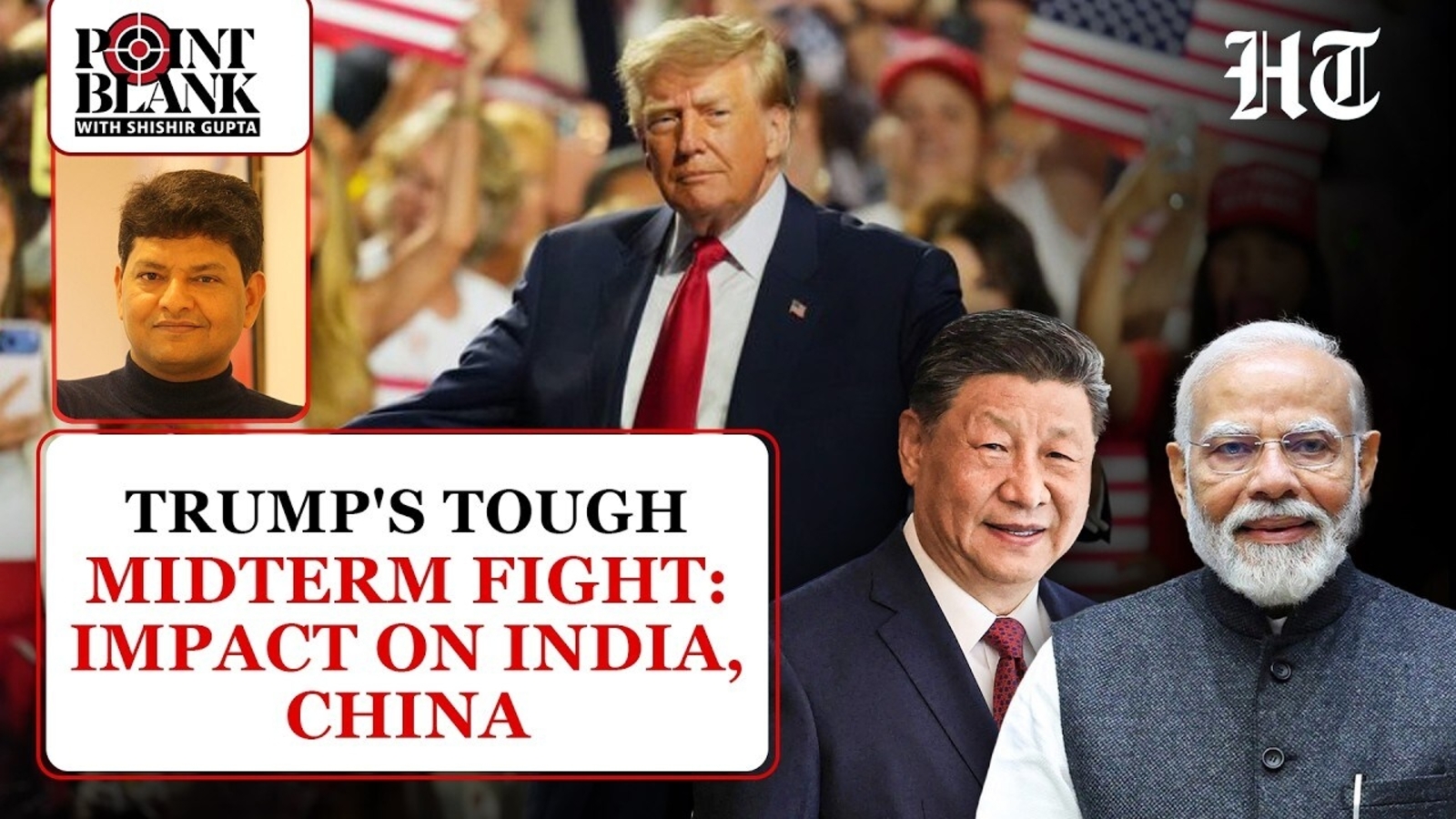
Historically, India has maintained a delicate balance in its foreign relations, engaging with multiple global powers without allowing any single relationship to dictate its national choices. This principle of strategic autonomy was emphasized by Hindustan Times Executive Editor Shishir Gupta during a recent discussion on Point Blank. Gupta argued that India must prioritize its own national interests, particularly in light of the evolving geopolitical landscape characterized by the China-Russia-North Korea alignment and ongoing tensions in the Middle East.
During the Xi-Trump meeting, although both leaders engaged in discussions about trade and technology, significant issues such as Taiwan and military tensions in the South China Sea remained unresolved. Gupta pointed out that while dialogue is essential, it should not be mistaken for a strategic breakthrough. The competition between the US and China continues to shape global dynamics, and India must navigate these waters carefully to safeguard its interests.
The implications of these developments extend beyond bilateral relations. India's strategic autonomy allows it to engage with the US for defense and logistics while also maintaining ties with Russia and China. Gupta highlighted that India's military procurement from the US does not equate to a formal alliance, as India retains the ability to make independent decisions on international conflicts. This approach is vital for India's security and economic interests, especially in an unstable global environment.
Looking ahead, India must bolster its self-reliance, particularly in defense and technology sectors, to mitigate the risks posed by global disruptions. Gupta stressed the importance of enhancing domestic manufacturing capabilities and diversifying energy sources to ensure resilience against external shocks. As geopolitical tensions persist, India's ability to act independently while fostering international partnerships will be crucial for its future stability and growth.