Xi Jinping Emphasizes Russia Ties as Stability Source Ahead of Trilateral Summit
Chinese President Xi Jinping highlights the importance of China-Russia relations as a stabilizing force in a turbulent global landscape before a significant trilateral meeting.
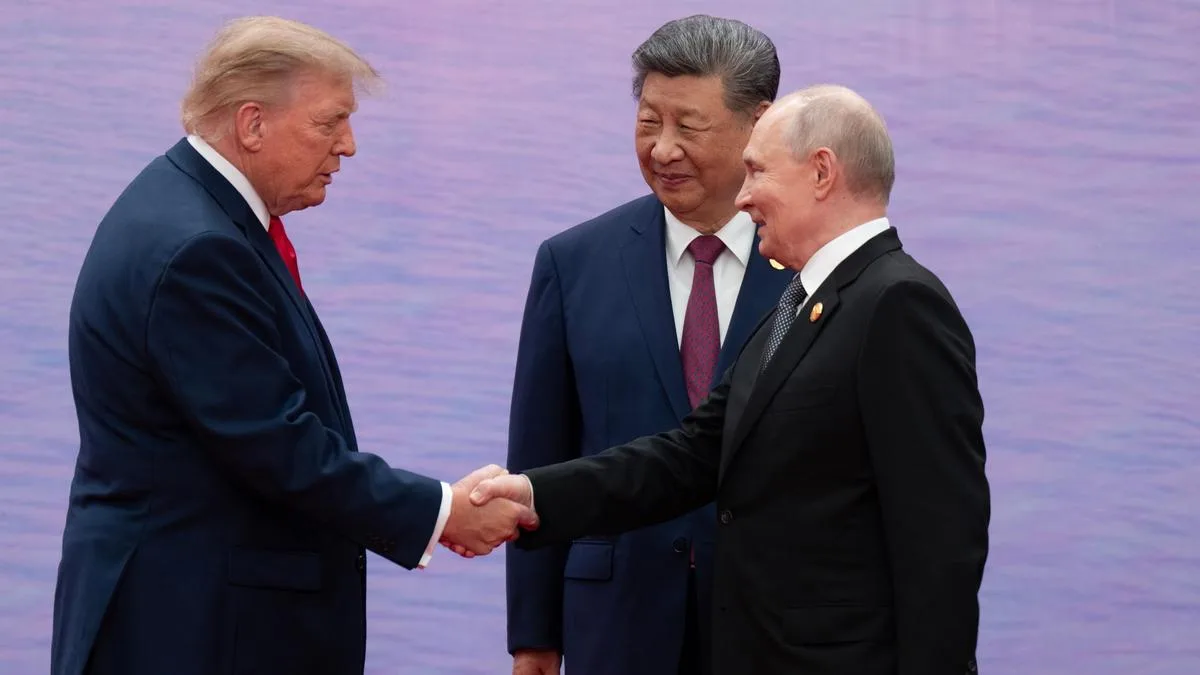
Xi Jinping welcomed U.S. President Donald Trump in Shenzhen ahead of a trilateral summit.
The summit, set for November 19, 2026, will address key global issues including the Ukraine war and nuclear arms control.
Xi described China-Russia relations as a model for major-power diplomacy characterized by mutual respect and cooperation.
Chinese President Xi Jinping has lauded the relationship between China and Russia as a vital source of stability in a world marked by turbulence. This statement was made on November 18, 2026, as he prepared to host U.S. President Donald Trump for a trilateral summit in Shenzhen, scheduled for November 19. The meeting is being characterized by Beijing as having groundbreaking significance, with expectations of discussions on various pressing global issues.
The upcoming summit will see leaders from China, Russia, and the United States convene to address critical topics such as the ongoing war in Ukraine, the geopolitical situation in Iran, global energy stability, and nuclear arms control. However, officials have tempered expectations regarding substantive outcomes, indicating that the meeting may serve more as a symbolic gathering rather than a platform for significant agreements, particularly concerning the Russia-Ukraine conflict or nuclear disarmament.
During his discussions with Russian President Vladimir Putin, Xi emphasized the importance of their bilateral ties, framing them as a model for a new type of major-power relationship based on equality and mutual respect. This sentiment underscores China's strategic positioning as it seeks to enhance its influence on the global stage. Xi's warm welcome of Trump at the airport, marked by a rare hug, further illustrates the significance of this diplomatic engagement.
The context of this summit is set against a backdrop of rising tensions between the U.S. and China, particularly regarding trade issues and technological competition. Xi's remarks at the APEC CEO Summit highlighted the need for openness and stable supply chains, addressing concerns over unilateralism and protectionism that have been on the rise globally. He called for reduced barriers to trade and investment, proposing the establishment of a World Bay Area Economic Cooperation Alliance to foster innovation in the Greater Bay Area, which includes Shenzhen, Hong Kong, and Macau.
Looking ahead, the trilateral summit is poised to be a crucial moment for international diplomacy, with potential implications for global economic stability and security. As the leaders prepare to meet, the world will be watching closely to see if they can find common ground on the pressing issues at hand. The outcomes of this summit could shape future relations among these major powers, particularly in the context of ongoing trade tensions and geopolitical challenges.