Xi Jinping Advocates for Multipolar World at APEC 2026
During the APEC summit in Shenzhen, Xi Jinping emphasized the need for China and Russia to lead the shift towards a multipolar global order.
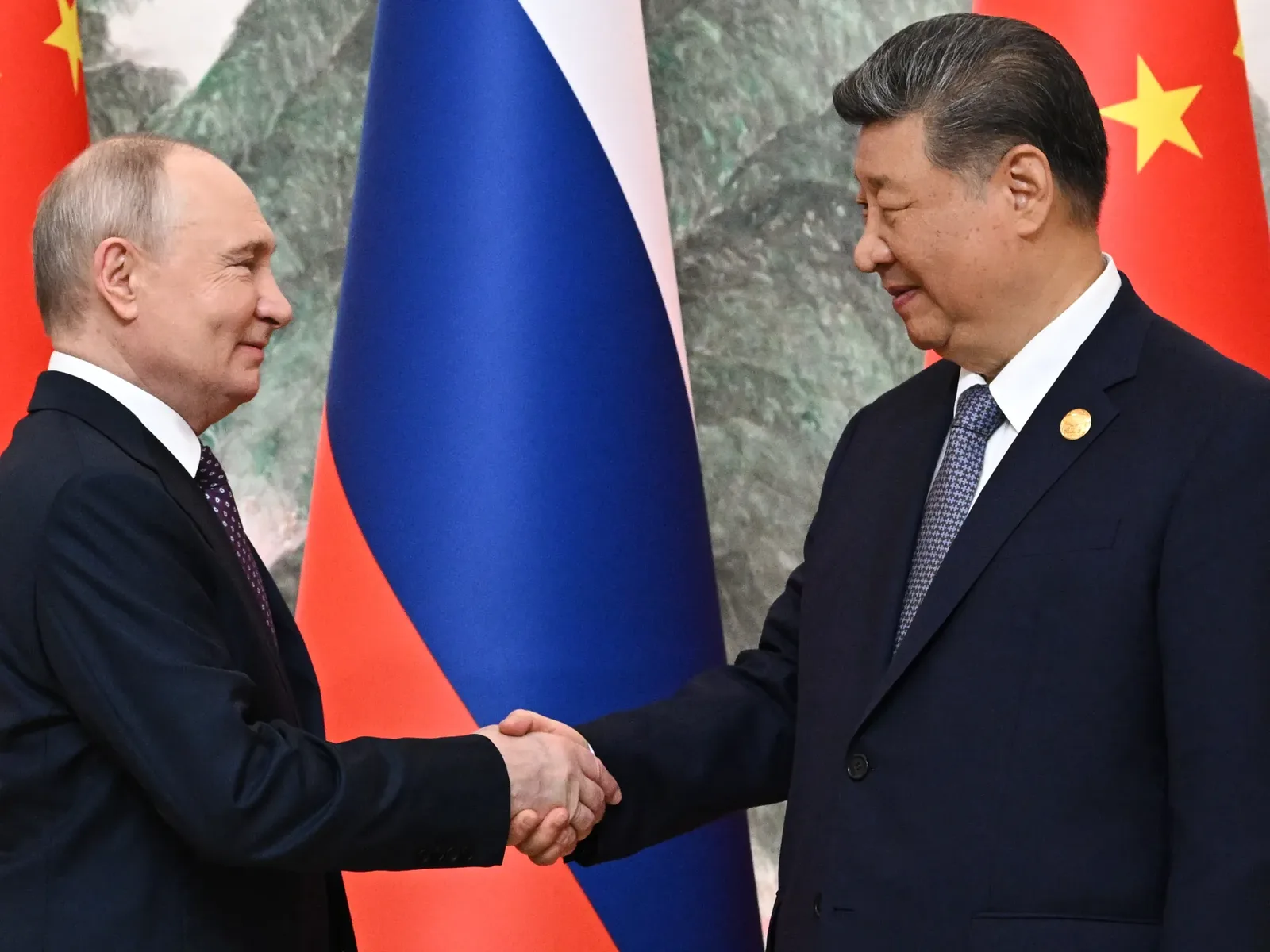
Xi and Putin urge a transition to a multipolar world, criticizing Western dominance.
Putin highlights Europe's decline and the ineffectiveness of traditional economic sanctions.
APEC summit discussions will focus on trade and AI, with significant implications for US-China relations.
At the Asia-Pacific Economic Cooperation (APEC) summit in Shenzhen, Chinese President Xi Jinping called for a collaborative effort between China and Russia to spearhead the transition towards a multipolar global landscape. This statement came during a bilateral meeting with Russian President Vladimir Putin, where both leaders expressed their views on the current geopolitical climate.
The backdrop of this summit is marked by a significant shift in global power dynamics, as both Xi and Putin criticized Western nations, specifically labeling them as 'former hegemons.' Putin remarked on Europe's ongoing decline, asserting that traditional methods of economic dominance have lost their effectiveness. He stated, "Experience has shown that the traditional tools of economic dominance and de facto coercion have largely run their course."
In light of the ongoing conflict in Ukraine, which has led to extensive sanctions against Russia by Western powers, Putin emphasized that while sanctions may have some deterrent effects, they cannot stifle economic growth. Both leaders reiterated their commitment to fostering a more equitable global order, highlighting their close personal and strategic ties, with China being Russia's largest trading partner.
The implications of their discussions extend beyond bilateral relations, as the APEC summit serves as a platform for addressing broader economic issues affecting the Asia-Pacific region. Key topics include the ongoing trade tensions between the US and China, as well as advancements in artificial intelligence. The summit is crucial for determining the future of trade agreements, particularly the potential extension of the trade truce between Washington and Beijing.
Looking ahead, the outcomes of this summit may shape international relations and economic strategies in the coming years. With leaders from various nations participating, the discussions could lead to significant agreements or further entrench existing divides, particularly in the context of US-China relations and their impact on global trade dynamics.