UK's Economic Shift: 10 Years Post-Brexit, New Agreements with EU
As the UK marks a decade since Brexit, Prime Minister Andy Burnham questions the split's benefits while pursuing closer ties with the EU.
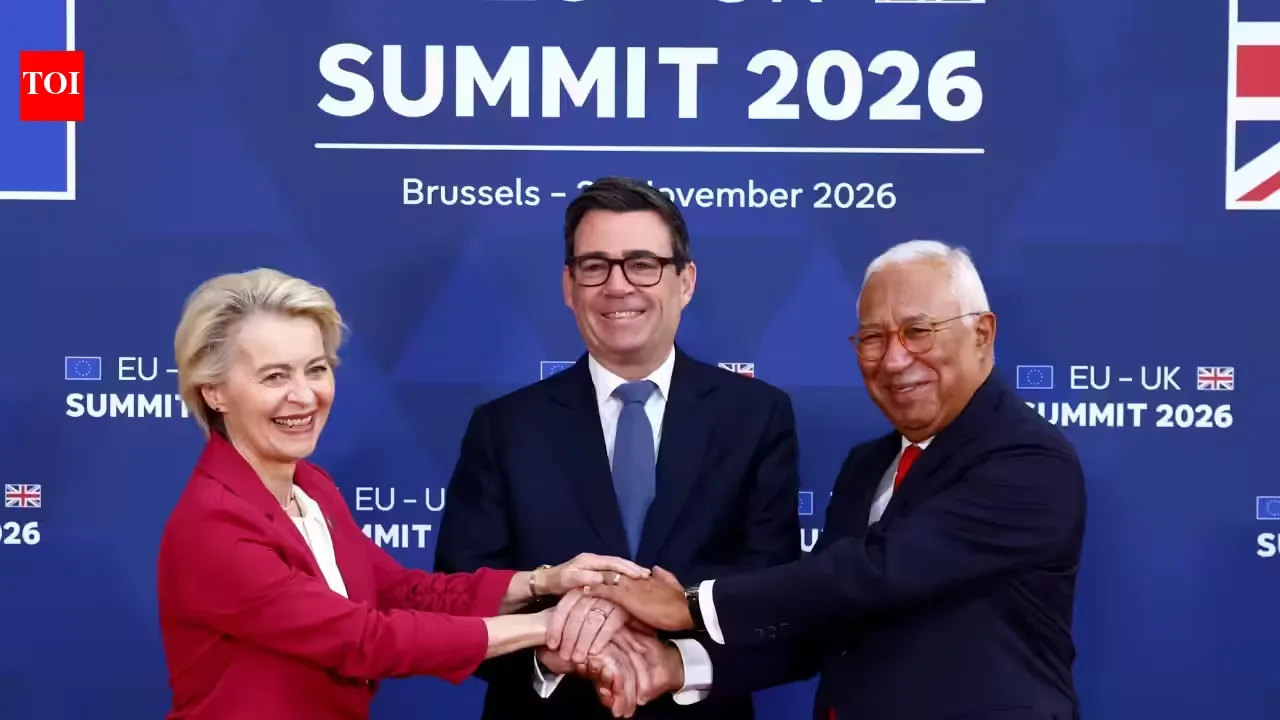
Britain is negotiating new agreements with the EU to enhance economic ties.
Critics argue Brexit has negatively impacted the UK economy, reducing output by up to 8%.
Prime Minister Burnham is exploring future options but stops short of committing to EU rejoining.
On the tenth anniversary of its decision to leave the European Union, the United Kingdom is reassessing the implications of Brexit. Prime Minister Andy Burnham has openly criticized the split, suggesting that the nation has suffered more losses than gains since departing from the EU. This shift in perspective was highlighted during a recent UK-EU summit in Brussels, where both parties agreed on a series of new measures aimed at mending the economic rift created by Brexit.
The agreements reached at the summit include provisions for food and agricultural trade, youth mobility, and cooperation on carbon emissions. These initiatives signify a notable step towards enhancing relations without the UK formally rejoining the EU. The new arrangements will simplify checks on food products, allow up to 100,000 young people from each side to live, work, or study across the Channel for three years, and connect their carbon emissions trading systems.
According to a joint statement from the UK and EU, these agreements are designed to lower trade barriers, create opportunities for youth, and strengthen climate policy collaboration. The food and agricultural deal aims to facilitate trade by reducing sanitary checks, while the linkage of carbon markets is expected to help businesses mitigate costs associated with carbon border measures. However, it is crucial to note that these agreements do not signify a reversal of Brexit, as the UK will remain outside the EU's single market and customs union.
The reconsideration of Brexit comes amid increasing scrutiny of its economic repercussions. Supporters of Brexit had promised enhanced economic autonomy and control over immigration, but the reality has introduced new trade barriers and increased operational costs for businesses. Economists estimate that Brexit has left the UK economy between 4% and 8% smaller than it would have been had it remained in the EU. Burnham has been a vocal critic, likening Brexit's promised benefits to a fairy tale that never materialized, and he argues that it has exacerbated the UK's economic challenges.
Despite the discussions surrounding closer ties, Prime Minister Burnham has not committed to rejoining the EU. Following the summit, he emphasized the need to evaluate the long-term relationship with the EU and indicated a willingness to explore future options with European leaders. Experts suggest that rejoining would be a complex process, requiring a reevaluation of Britain's current stance on European integration. While public sentiment appears to be shifting towards favoring rejoining, significant concerns remain regarding financial contributions and the adoption of the euro. For now, the UK is focused on fostering economic cooperation rather than pursuing formal EU membership, with future developments hinging on public opinion and the outcomes of the next general election.