UK-EU Agreement Advances Despite Tuition Fee Dispute
The UK and EU have reached a significant agreement on food exports and youth mobility, independent of tuition fee negotiations.
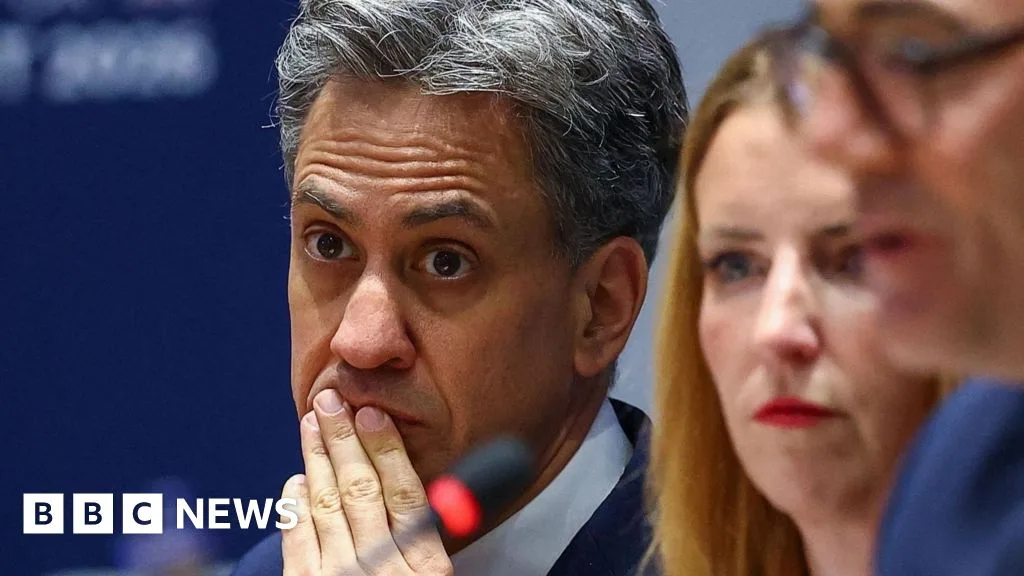
The UK-EU deal will proceed regardless of tuition fee discussions.
The agreement could potentially boost the UK economy by £17 billion annually.
Concerns arise from opposition leaders regarding fairness and economic modeling.
A new agreement between the United Kingdom and the European Union was finalized on Friday, which will take effect irrespective of the ongoing negotiations about tuition fees for EU students. Foreign Secretary Ed Miliband confirmed this development during an interview, emphasizing that the deal encompasses crucial areas such as food exports and youth mobility.
The agreement, reached in Brussels, includes provisions to eliminate most checks on British food exports in exchange for the UK adhering to certain EU regulations starting in 2028. Additionally, a youth mobility scheme has been introduced. However, discussions surrounding a proposal to reduce tuition fees for EU students studying in the UK remain unresolved. European Commission President Ursula von der Leyen expressed optimism about finding a resolution, while Prime Minister Andy Burnham echoed this sentiment during a press conference.
Miliband clarified that the agreements concerning food exports, energy, and youth mobility are distinct from the tuition fee negotiations, stating, "President von der Leyen was very clear about this at the press conference." He assured that the agreements would be enacted, with legislative measures set for introduction in Parliament. Furthermore, he noted that there would be no additional financial burden on UK taxpayers resulting from this deal.
The implications of this agreement extend beyond immediate economic benefits. Burnham highlighted that public sentiment appears to favor closer ties with the EU, suggesting that this deal could alleviate living costs and streamline regulations. The Treasury estimates that the agreement could enhance the UK economy by up to £17 billion annually, although some opposition leaders, including Conservative leader Kemi Badenoch, criticized the deal as unfair to UK farmers and questioned the economic projections.
Looking ahead, Miliband indicated that all options regarding the UK's relationship with the EU would be considered, including the possibility of rejoining the bloc. He acknowledged the changing dynamics in Europe and the need to reassess the UK's position. Opposition figures, including Nigel Farage and Liberal Democrat leader Sir Ed Davey, have voiced concerns about the adequacy of the agreement, calling for a more comprehensive approach to the UK's relationship with the EU.