U.S., China, and Russia Leaders Set for Historic Summit in Shenzhen
The upcoming summit on November 19, 2026, marks a significant moment for international diplomacy as the leaders of the U.S., China, and Russia meet face-to-face for the first time.
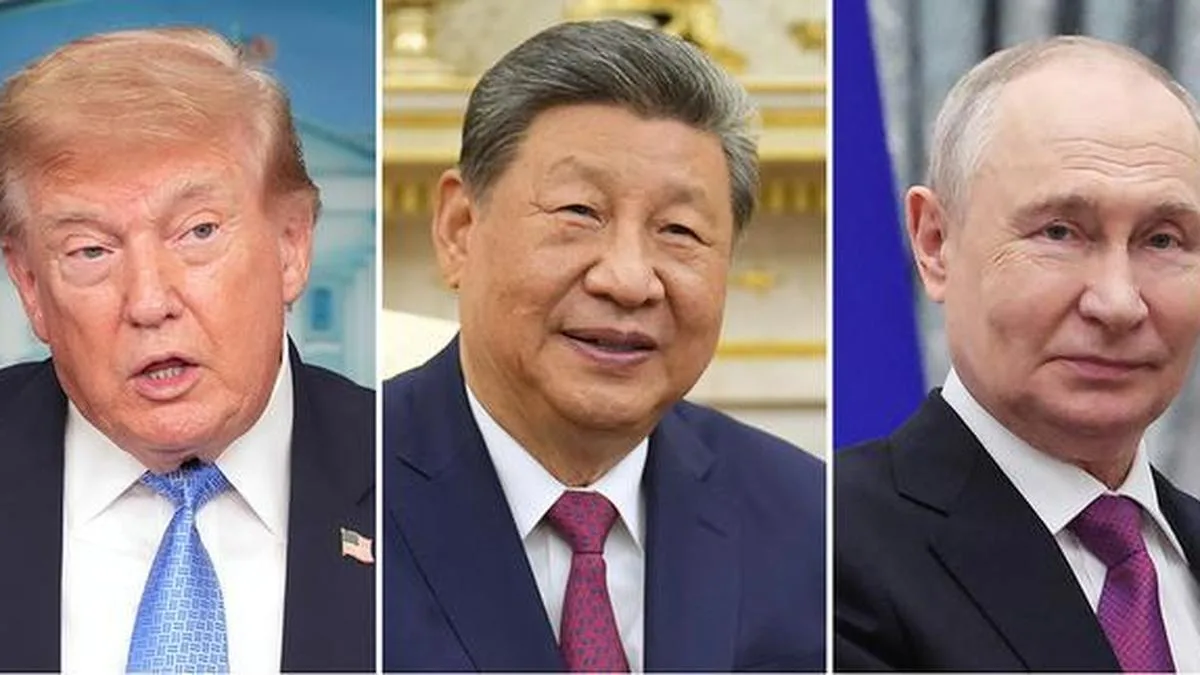
The summit will be hosted by China's President Xi Jinping in Shenzhen.
Key topics include world peace, strategic stability, and the ongoing war in Ukraine.
Experts express skepticism about substantial outcomes amid rising geopolitical tensions.
On November 19, 2026, the leaders of the United States, China, and Russia will convene in Shenzhen for a summit described by Beijing as having 'groundbreaking significance.' This meeting, hosted by Chinese President Xi Jinping, will be the first direct interaction among the heads of state from these three major powers, occurring alongside the APEC summit.
The significance of this summit is underscored by the historical context of U.S.-China-Russia relations. As tensions have escalated in recent years, particularly with the ongoing conflict in Ukraine and broader geopolitical rivalries, this meeting presents an opportunity for dialogue. China's Foreign Ministry emphasized the importance of this gathering in fostering communication and managing differences among the nations involved.
China's state media has lauded the summit, suggesting it reflects Beijing's growing global influence. The agenda is expected to address critical issues, including the war in Ukraine, energy stability, and nuclear arms control. However, U.S. officials have indicated that while the meeting is symbolically significant, concrete outcomes may be limited, raising questions about the effectiveness of such high-level discussions.
The implications of this summit extend beyond the immediate participants, as it may influence global diplomatic dynamics. Analysts note that despite the potential for symbolic gestures, the underlying tensions between the U.S. and China, as well as the ongoing rift between Russia and the West, could hinder meaningful progress. The meeting is seen as a chance to stabilize relations and manage competition, but experts remain cautious about its potential impact on international relations.
Looking ahead, the summit will serve as a litmus test for the current state of global diplomacy. As leaders prepare to discuss pressing international issues, the world will be watching closely to see if this historic meeting leads to any substantive agreements or if it merely reinforces existing divides. The outcomes of this summit could set the tone for future interactions among these powerful nations.