Trump Suspends Russia Oil Tariffs Ahead of Midterm Elections
In a strategic move, President Trump waives tariffs on Russian oil imports, impacting India-US trade relations.
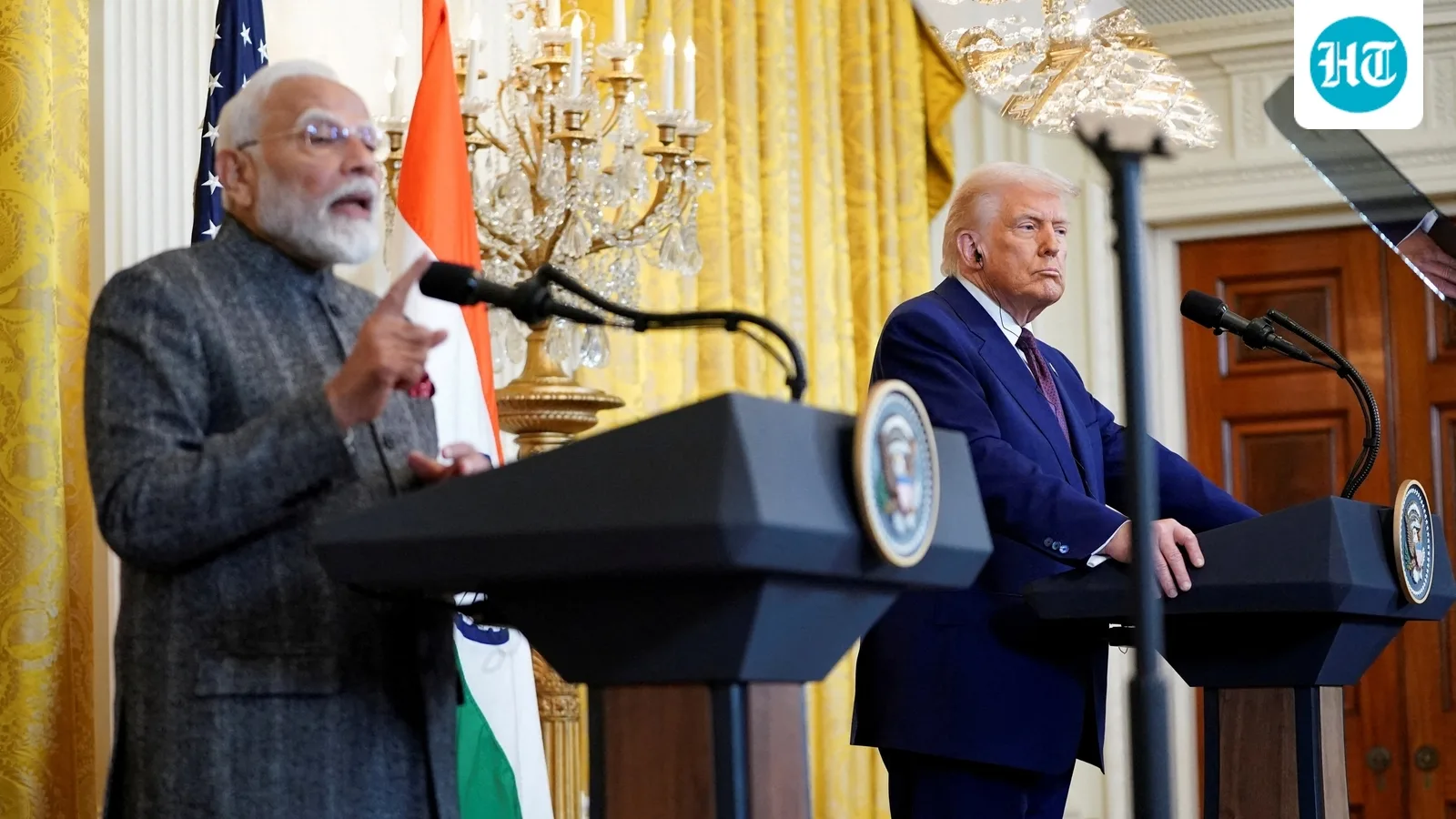
Trump's executive order delays tariffs on Russian oil buyers, including India.
The decision is influenced by upcoming midterm elections and rising energy prices.
Trade experts suggest the waiver could enhance prospects for a US-India trade deal.
In a significant policy shift, President Donald Trump issued an executive order on Friday that suspends tariffs on countries purchasing Russian energy, including India. This decision comes just two days before the tariffs were set to take effect, as part of the Lindsey O. Graham Sanctioning Russia and Iran Act. This act was designed to impose heavy sanctions on Russia's economy, particularly targeting its energy sector, but the waiver allows for a temporary reprieve for nations like India that rely on Russian oil imports.
The Graham Act, signed into law on September 18, mandated the imposition of tariffs up to 100% on the top five purchasers of Russian oil and gas, which included India, China, and several European nations. The act aimed to penalize countries that continued to engage with Russia amidst ongoing geopolitical tensions. However, Trump's recent executive order suspends these punitive measures until further notice, leaving the tariff rates undefined and unimplemented.
The timing of this decision is closely tied to the upcoming midterm elections on November 3, where Trump's Republican Party faces significant challenges against the Democrats. Rising energy prices, exacerbated by the conflict involving Iran, have led to growing discontent among voters regarding the administration's economic management. To mitigate this dissatisfaction, Trump has sought to stabilize energy prices, which could have been adversely affected by the sanctions outlined in the Graham Act.
Experts believe that this waiver may positively influence the ongoing negotiations for a trade deal between the US and India. With India being a major buyer of Russian oil, the suspension of tariffs alleviates some uncertainty surrounding Indian exports. Mark Linscott, a senior adviser at The Asia Group, noted that the recent momentum in trade talks has improved with the resolution of tariff concerns, potentially paving the way for an interim agreement.
Despite the temporary relief, the threat of tariffs remains. Secretary of State Marco Rubio indicated that the administration would conduct a 60-day review of the sanctions' implications for the US and global economy. This review could lead to a reassessment of the waivers, leaving the future of trade negotiations uncertain. Analysts caution that while the waiver provides a momentary reprieve, India must remain vigilant and prioritize its energy security amidst fluctuating geopolitical dynamics.