Trump Endorses Iraqi PM's Oil Smuggling Crackdown Amid Tensions
U.S. President Donald Trump supports Iraqi Prime Minister Ali al-Zaidi's efforts to combat oil smuggling, escalating tensions with Kurdish authorities.
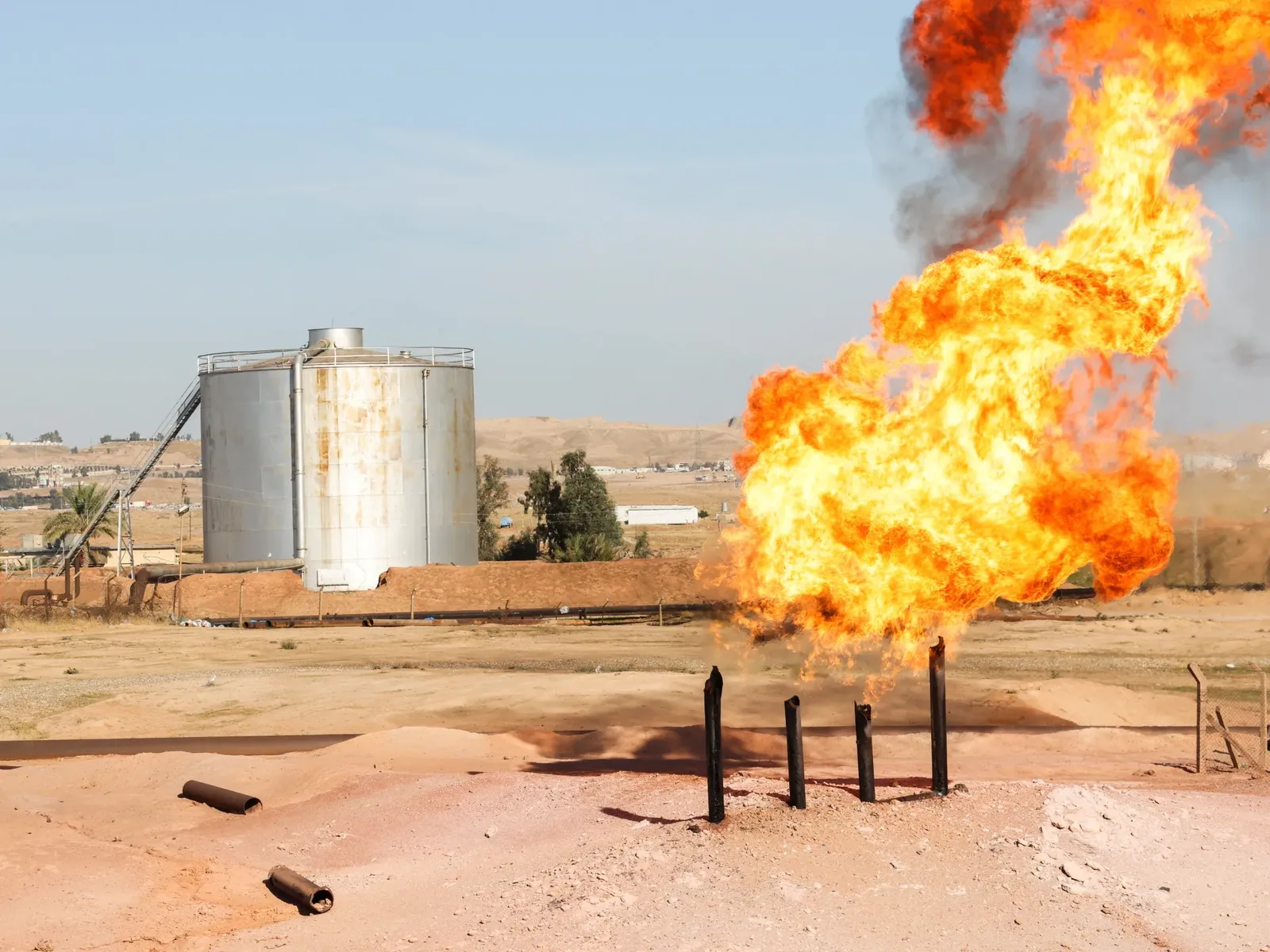
Trump backs al-Zaidi's initiative to control oil exports and curb corruption.
Baghdad has closed border crossings and placed Kurdish oil fields under federal control.
Kurdish leaders express concerns over constitutional rights and potential conflicts.
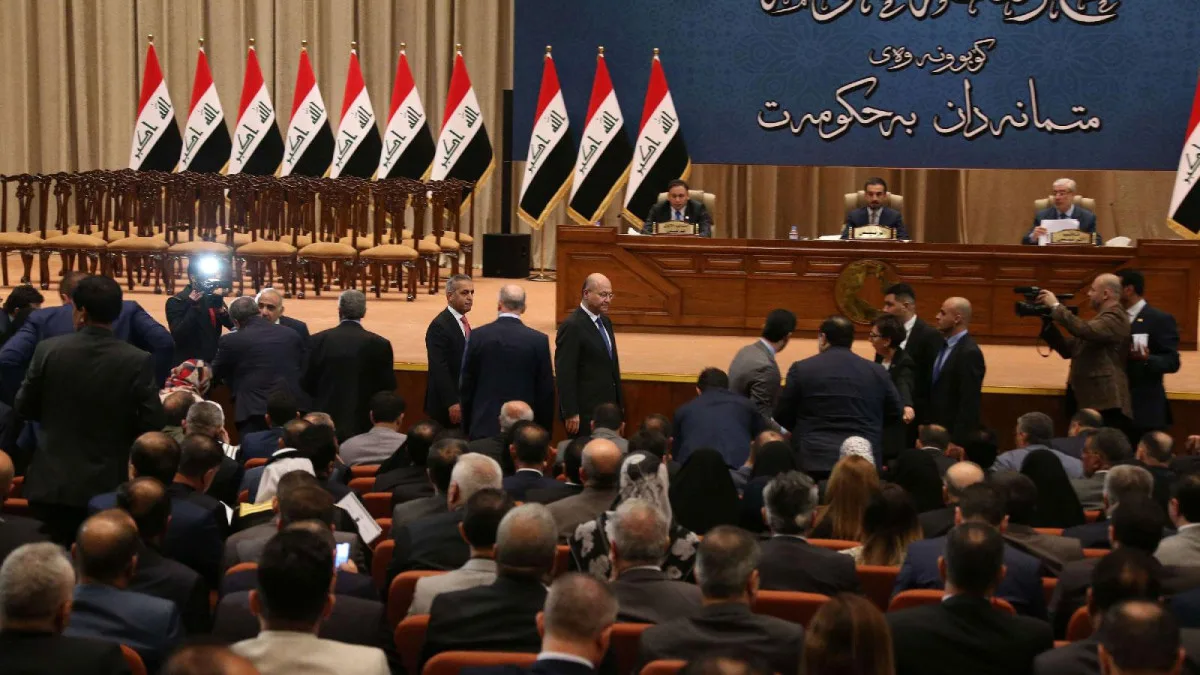
U.S. President Donald Trump has publicly endorsed Iraqi Prime Minister Ali al-Zaidi's recent initiative aimed at curbing oil smuggling and reinforcing state authority. This support, expressed via a post on Truth Social, comes amid rising tensions between Baghdad and Kurdish authorities, as well as Iran-aligned militias. Trump emphasized the U.S. commitment to a unified and prosperous Iraq that can independently make political decisions.
The backdrop of this crackdown involves significant historical context, with Iraq reportedly losing around $100 billion to oil smuggling through the Kurdish region from 2008 to 2025. This figure, however, has raised questions regarding its calculation. The Iraqi government views any crude oil exports that bypass the state marketer, SOMO, as smuggling, which has prompted al-Zaidi to assert federal control over Kurdish border crossings and oil fields.
In a decisive move, the Iraqi government closed two border crossings with Syria and Iran on Thursday. Additionally, Iraq's highest court ruled that federal forces can be deployed along all international borders, including those of the Kurdish region. Oil Minister Basim Mohammed reiterated that oil fields in the region are under the jurisdiction of the Iraqi state and warned against any illegal exports.
The Kurdish authorities have reacted strongly to these developments. Peshawa Hawramani, a spokesperson for the Kurdistan Regional Government (KRG), stated that while they do not seek conflict, they view Baghdad's actions as a violation of their constitutional rights. Protests erupted in the Kurdish region following the government's decisions, highlighting the growing discontent among the Kurdish populace regarding the central government's approach.
Looking ahead, a meeting organized by the head of the Supreme Judicial Council is scheduled for December 1 in Baghdad to address these escalating tensions. Analysts suggest that if this meeting fails to yield a resolution, Iraq could face a significant constitutional and political crisis, further complicating the already fraught relationship between Baghdad and the Kurdish region.