Trump Confirms US Military Action on Iran's Qeshm Island
In a recent interview, President Trump acknowledged US strikes on an Iranian anti-aircraft facility amid rising tensions in the Strait of Hormuz.
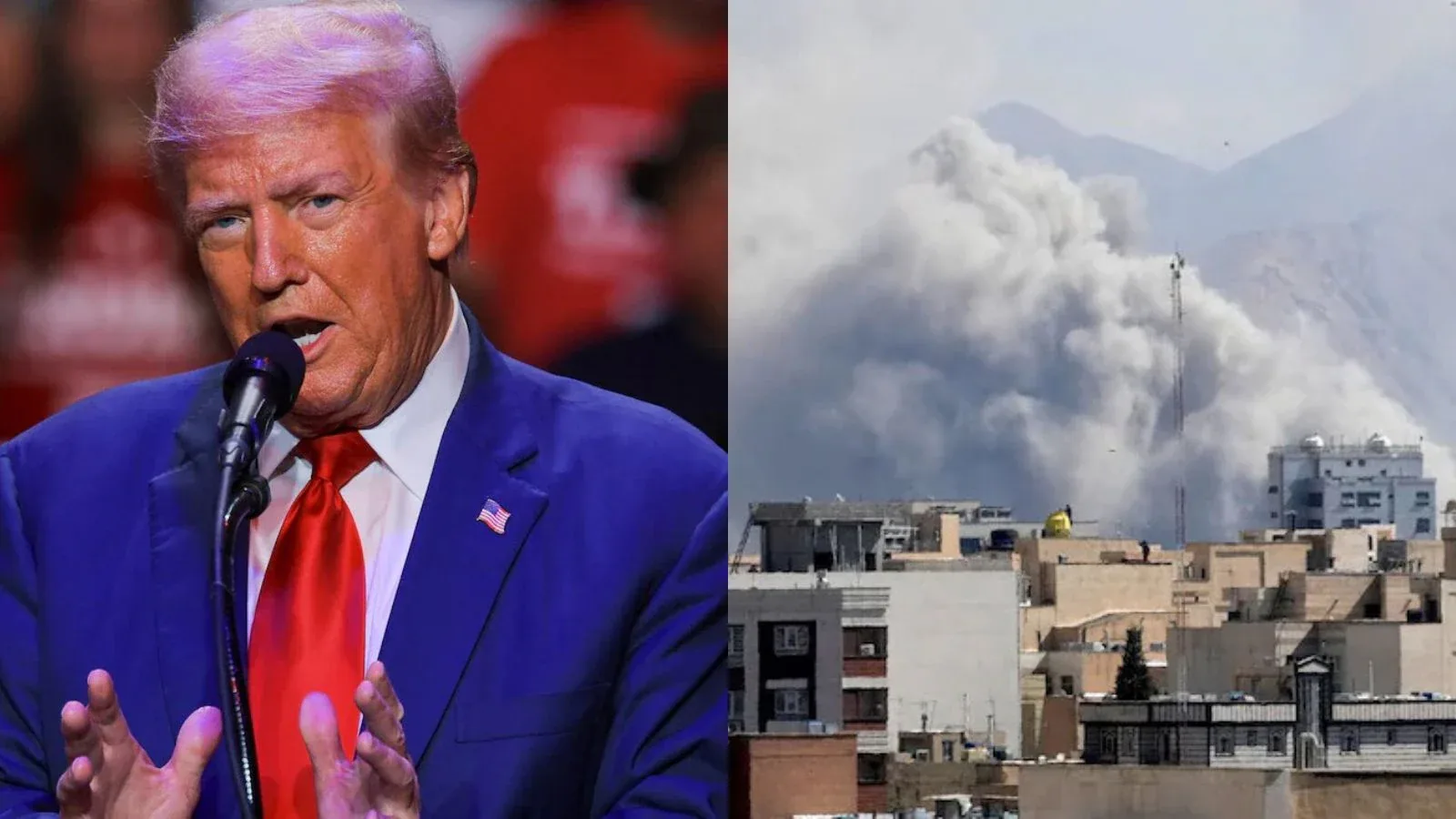
Trump confirmed a US strike on Iran's Qeshm Island, targeting an anti-aircraft facility.
The attack was described as defensive, aimed at preventing Iranian threats to commercial shipping.
The US is set to end its long-standing financial assistance to Israel by the end of this year.
In a significant development, President Donald Trump confirmed that the United States has conducted military strikes on Iran's Qeshm Island, targeting a newly constructed anti-aircraft facility. This announcement was made during a telephone interview with Fox News, where Trump referred to the operation as a 'minor attack' that occurred recently. His remarks follow reports indicating that the US military executed limited defensive strikes in the strategically important Strait of Hormuz, a vital route for global oil shipments.
The context of this military action stems from ongoing tensions in the region, particularly concerning Iran's activities in the Strait of Hormuz, which has seen increased hostilities since the onset of the conflict in late February. US officials have characterized the strikes as defensive measures designed to deter Iran from threatening commercial vessels navigating through this crucial maritime corridor. Trump's comments highlighted the urgency of the situation, stating, "They built an anti-aircraft facility... As soon as it was completed, we hit it last night very nicely."
Reports from Iranian state media have indicated that multiple explosions were heard on Qeshm Island, with some residents claiming to have seen aircraft in the vicinity during the strikes. This military action coincides with heightened discussions between Trump and Israeli Prime Minister Benjamin Netanyahu, who has been advocating for a more aggressive stance against Iran in the wake of the US midterm elections. Trump, however, has downplayed the likelihood of escalating military conflict, suggesting a preference for diplomatic solutions.
Further complicating the situation, Trump revealed plans to terminate a decade-long security assistance agreement with Israel, which has provided $3.8 billion annually. He stated that he and Netanyahu had reached an agreement to cease this funding by the end of the year, although he assured continued support for Israel if needed. This shift in US policy could have significant implications for US-Israel relations and regional stability in the Middle East.
Looking ahead, the geopolitical landscape remains uncertain as the US navigates its relationship with Iran and Israel. With the midterm elections approaching, the potential for further military action or diplomatic negotiations will be closely monitored by international observers. The situation in the Strait of Hormuz, a critical chokepoint for oil transport, will likely remain a focal point of US foreign policy in the coming months.