Supreme Court to Hear Petitions Against CEC Gyanesh Kumar on October 5
The Supreme Court will review petitions challenging the unilateral decisions made by Chief Election Commissioner Gyanesh Kumar regarding voter deletions.
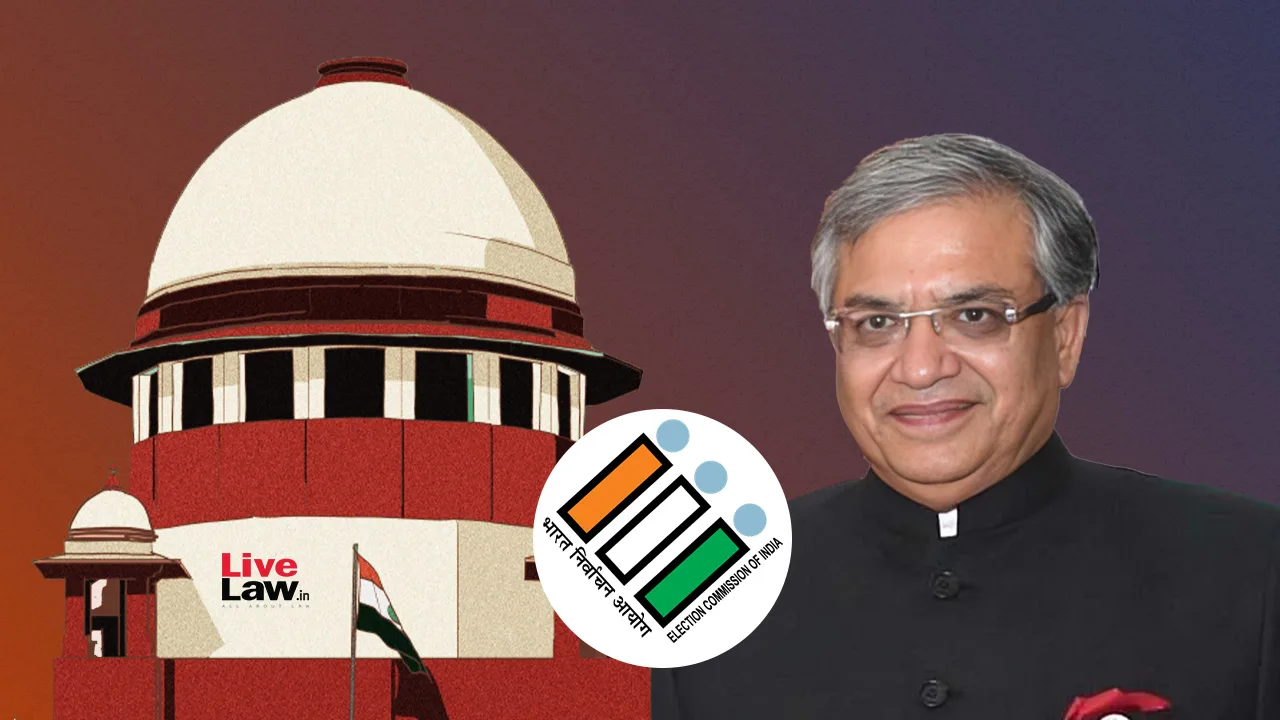
Petitions filed against CEC Gyanesh Kumar over 14 controversial decisions.
Claims of unauthorized voter deletions affecting 13 crore names across 30 states.
Petitioners seek suspension of Gyanesh Kumar and an independent inquiry.
The Supreme Court of India is set to hear two significant petitions on October 5, 2026, challenging the actions of Chief Election Commissioner Gyanesh Kumar. These petitions arise from allegations that Kumar made unilateral decisions regarding the Special Intensive Revision (SIR) process, which reportedly lacked the agreement of the other two Election Commissioners, Sukhbir Singh Sandhu and Vivek Joshi.
The context of these petitions is rooted in claims that Gyanesh Kumar took approximately 14 decisions related to the SIR process despite recorded objections from his fellow commissioners between October 2025 and August 2026. The petitioners argue that these actions undermine the collaborative nature of the Election Commission of India (ECI), which is designed to operate as a multi-member body, and seek to have these decisions overturned.
One of the petitions, filed by Rakesh Kumar Singh, calls for the suspension of Gyanesh Kumar from his position as CEC. Singh contends that the decisions made by the ECI cannot be taken unilaterally and requests a thorough examination of the Commission's records to ensure compliance with constitutional and statutory requirements. The second petition, submitted by Advocate Shaildendra Mani Tripathi, seeks to annul the 14 contested decisions and proposes the formation of an independent Judicial Inquiry Commission to investigate the circumstances surrounding the alleged deletion of 13 crore names from electoral rolls across 30 states and union territories.
The implications of these petitions are significant, as they raise concerns about the integrity of the electoral process in India. The proposed inquiry aims to conduct a forensic audit of the ECINet and ERONet databases, scrutinizing the alleged unauthorized modifications and failures in restoring eligible voters. The petitioners also seek to initiate legal action against Gyanesh Kumar and other officials under Section 32 of the Representation of the People Act, 1950, which addresses breaches of official duty in electoral matters.
As the Supreme Court prepares to hear these petitions, the outcome could have far-reaching consequences for the functioning of the ECI and the electoral process in India. The court's decision may set a precedent regarding the accountability of election officials and the necessity for collaborative decision-making within the Commission.