Supreme Court to Hear Opposition's Queries on Electoral Roll Revision
The Supreme Court will review 48 questions posed by the INDIA bloc regarding the nationwide Special Intensive Revision of electoral rolls.

The Supreme Court has scheduled a hearing for December 9 regarding the Opposition's application.
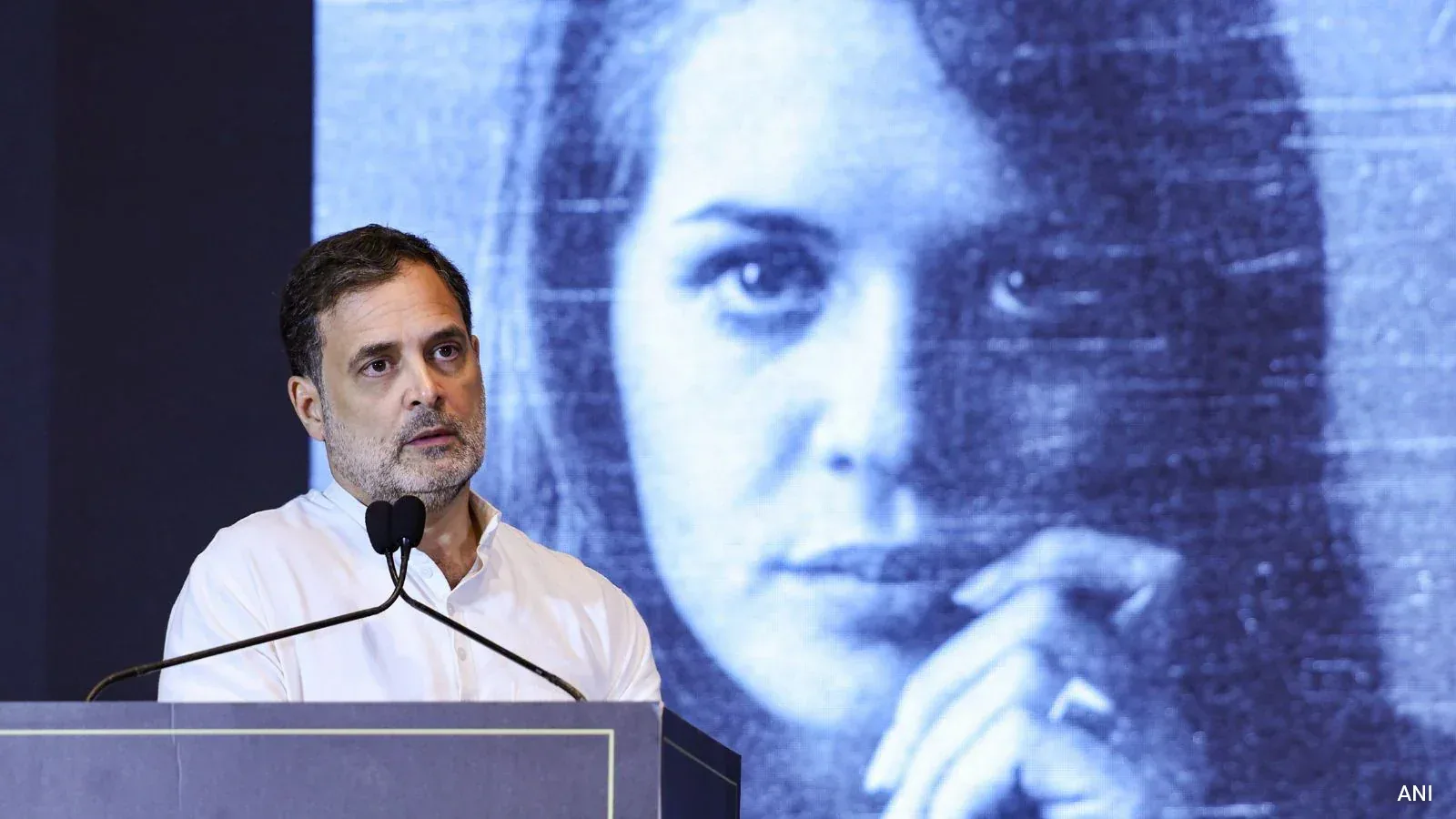
Opposition leaders, including Rahul Gandhi, challenge the Election Commission's claims about the electoral roll revision.
The application seeks transparency on the decision-making process behind the nationwide revision affecting millions of voters.
On November 17, 2026, the Supreme Court agreed to conduct a detailed hearing on an application submitted by Rahul Gandhi, the Leader of the Opposition in the Lok Sabha, along with other leaders from the INDIA bloc. This application includes 48 specific questions directed at Chief Election Commissioner Gyanesh Kumar and other election officials concerning the Special Intensive Revision (SIR) of electoral rolls, which has reportedly excluded around 13 crore voters from the lists.
The Opposition's inquiries challenge the Election Commission of India's (ECI) assertion made in an affidavit dated October 26, claiming that the decision to implement a nationwide SIR was unanimous. The Supreme Court, led by Chief Justice Surya Kant, has set the case for a hearing on December 9, following a request from ECI's counsel, Harish Salve, to ensure adequate time for the multiple petitions during the post-lunch session.
During the proceedings, senior advocates representing the INDIA bloc urged the court to issue notices regarding the interrogatories. While the court initially agreed to notify the ECI, Salve, along with fellow advocate Maninder Singh, opposed this before a preliminary hearing could take place. Chief Justice Kant indicated that the court would consider the application and issue necessary orders subsequently.
The application is part of a broader writ petition filed by the Opposition, asserting that the nationwide SIR was executed unilaterally by the Chief Election Commissioner without proper consultation with the other Election Commissioners. The petitioners argue that the interrogatories are essential to clarify facts that are solely within the ECI's knowledge and records, which they claim have not been adequately disclosed.
The Opposition leaders have raised several critical questions, including whether the October 26 affidavit was presented to the other Election Commissioners, the process by which the SIR decision was made, and the number of appeals pending in tribunals regarding voter re-inclusions in West Bengal. They are also seeking clarity on the ECI's procedures and guidelines concerning the electoral roll revisions, aiming to ensure transparency and accountability in the electoral process.