Supreme Court Suspends Sentence of Bilkis Bano Case Convicts
The Supreme Court's recent decision to suspend the life sentences of two convicts in the Bilkis Bano case raises significant concerns regarding justice and victim rights.
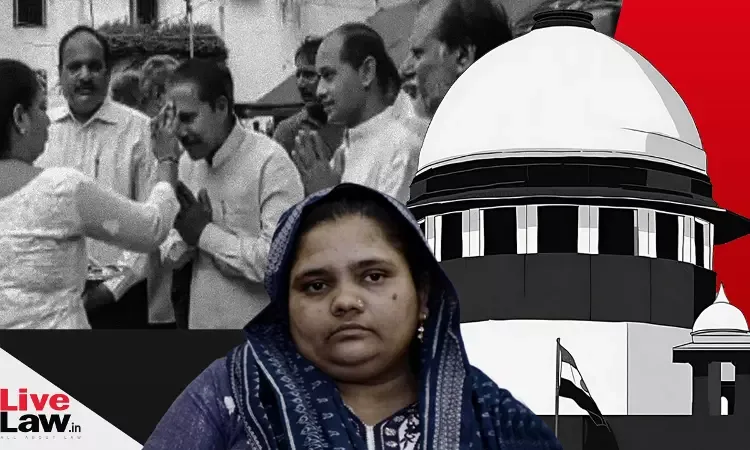
The Supreme Court suspended the life sentences of two convicts based on their long incarceration and one being physically handicapped.
Bilkis Bano, the victim, has faced ongoing threats and has previously sought justice multiple times in the Supreme Court.
The suspension of the convicts' sentences has sparked debate over procedural fairness and the rights of victims in criminal proceedings.
In a controversial ruling, the Supreme Court of India has suspended the life sentences of two individuals convicted in the Bilkis Bano case, a decision that has reignited discussions about justice for victims of heinous crimes. On October 28, the Court granted bail to Bipinchand Kanaiyalal Joshi and Pradip Ramanlal Modhiya, citing their lengthy imprisonment and the physical disability of one of the convicts as grounds for the suspension.
Bilkis Bano was only 21 when she endured unimaginable trauma during the 2002 Gujarat riots, losing her family to brutal violence driven by communal hatred. Since then, she has persistently sought justice, approaching the Supreme Court multiple times to highlight her plight. Despite her efforts, the recent ruling appears to prioritize the convicts' rights over her own, raising alarm among advocates for victims' rights.
The Supreme Court's decision to suspend the sentences has been met with criticism, particularly regarding the lack of procedural fairness. The ruling was made without notifying Bano or allowing her the opportunity to present her case, which contradicts established legal principles that recognize victims as essential parties in criminal proceedings. Legal precedents have emphasized the necessity of including victims in discussions about bail and sentence suspensions, as seen in recent cases where courts have upheld victims' rights to be heard.
The implications of this ruling extend beyond the immediate case, highlighting systemic issues within the justice system concerning the treatment of victims. Bano's ongoing threats to her safety and her relocation from Gujarat following the release of the convicts underscore the precarious position of victims in such cases. The public outcry following the convicts' earlier release on remission in 2022 further illustrates the societal demand for justice and accountability in cases of severe crimes.
Looking ahead, the legal community and civil society are closely monitoring the developments in this case. The Supreme Court's decision to suspend the sentences raises critical questions about the future of victims' rights in India and the balance between convict rehabilitation and justice for those who have suffered. As the legal proceedings continue, it remains to be seen how the Court will address the concerns raised by Bano and her advocates regarding her right to be heard in matters that directly affect her life and safety.