Supreme Court Issues Notices Over Metro Shutdown Ahead of Delhi Protest
The Supreme Court has initiated proceedings against MHA, Delhi Police, and DMRC for failing to comply with orders regarding metro and train services during a protest.
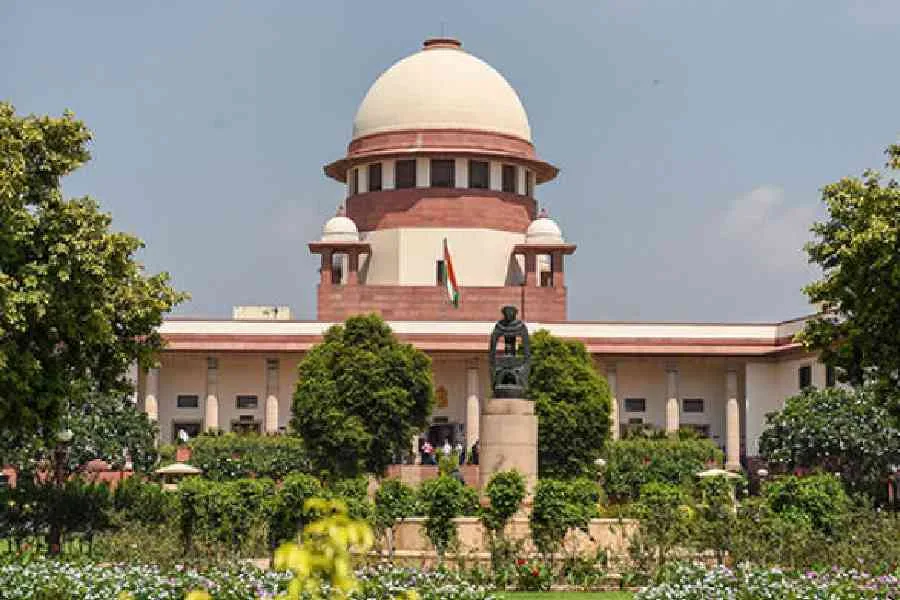
Supreme Court finds a prima-facie case against authorities for metro shutdown.
Notices issued to MHA Secretary, Delhi Police Commissioner, and DMRC Chairperson.
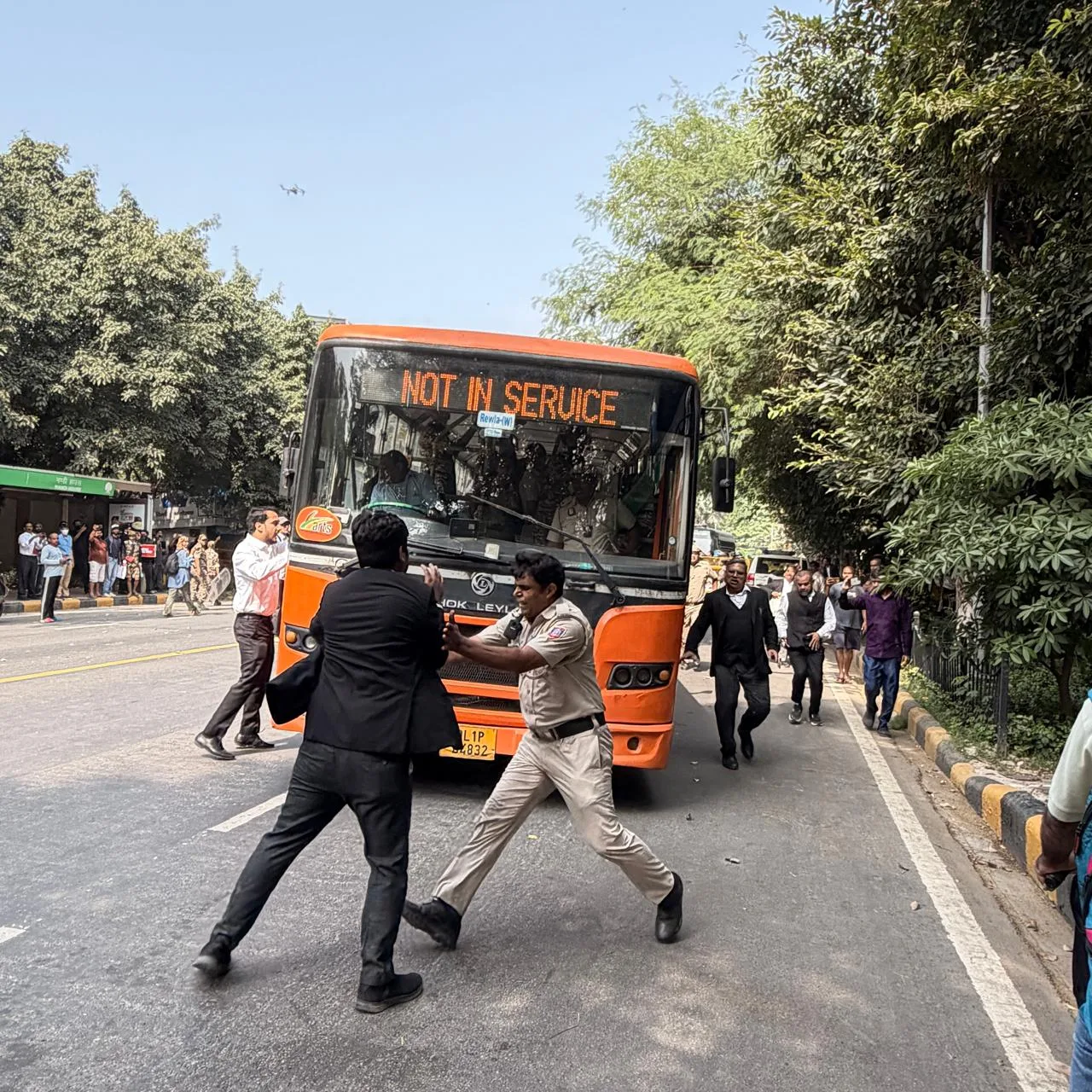
Protest against Chief Election Commissioner led to significant transit disruptions.
On Sunday, the Supreme Court addressed a contempt petition concerning the shutdown of metro and train services in Delhi, stating that the petitioners have established a prima-facie case against the involved authorities. The court's bench, comprising Justices Joymalya Bagchi and V Mohana, issued notices to key officials, including Govind Mohan from the Ministry of Home Affairs, Delhi Police Commissioner Anurag Kumar, and DMRC Chairperson D Thara, requiring their response by October 13, 2026.
The contempt petition was filed by advocate Shailendra Mani Tripathi, who argued that the actions of the Delhi Metro, the Delhi Police, and the Union government represented a blatant violation of citizens' fundamental rights and the court's previous orders. The petition highlighted a previous order from October 9, which addressed the closure of 57 metro stations and train cancellations due to a protest organized by the Cockroach Janta Party (CJP) and various student organizations against Chief Election Commissioner Gyanesh Kumar.
During a hearing on Friday, the Chief Justice of India, Surya Kant, along with Justices Bagchi and Mohana, emphasized that while law enforcement has the authority to manage public order, it should not lead to undue harassment of citizens. The court had instructed that the movement of metro and trains should not be completely halted due to the protest scheduled for October 10, reinforcing the need for balance between security measures and public accessibility.
In response to the anticipated protest, the Delhi Metro had announced the closure of 45 stations from 9 PM on Friday until 6 PM on Saturday, citing security concerns. However, the contempt petition criticized the authorities for maintaining a broad shutdown of transit services, failing to provide adequate traffic advisories, and persisting with unnecessary train cancellations despite the court's directives.
Looking ahead, the Supreme Court's directives are expected to restore some level of normalcy to transit operations in Delhi. The authorities are now under pressure to comply with the court's orders and ensure that citizens can exercise their right to movement without undue restrictions. The upcoming deadline for submitting counter-affidavits will be crucial in determining the next steps in this ongoing legal matter.