Supreme Court Critiques Pollution Control Efforts in Yamuna
The Supreme Court has raised concerns over increasing pollution levels in the Yamuna despite significant financial investments in cleaning efforts.
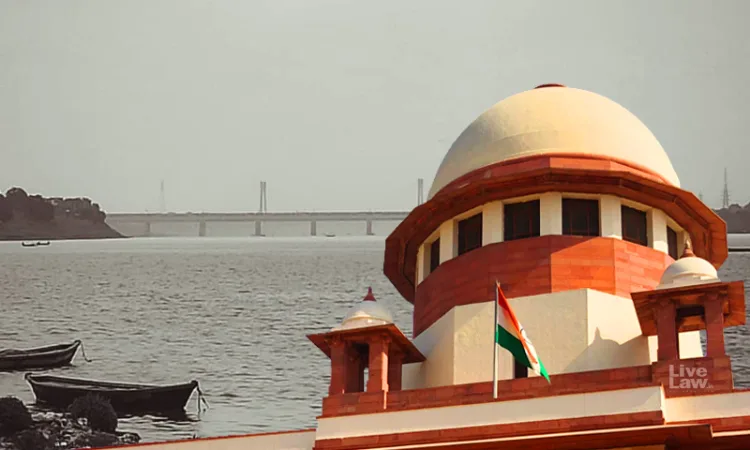
The Supreme Court highlights the failure of civic administration in managing Yamuna's pollution.
States and Union Territories will face penalties for deteriorating water quality.
The Central Pollution Control Board is tasked with stringent monitoring and accountability measures.
In a recent ruling, the Supreme Court of India expressed serious concerns regarding the escalating pollution levels in the Yamuna River, despite substantial financial investments aimed at cleaning it. A bench comprising Justice Manoj Misra and Justice Manmohan noted that the ongoing pollution reflects a broader failure of civic administration in the towns and cities along the river's banks. The Court emphasized that the poor health of the river is indicative of systemic issues within local governance and infrastructure.
The Court's observations stem from the revelation that approximately 520 drains are discharging untreated wastewater into the Yamuna, exacerbating its pollution. The judges directed the Central Pollution Control Board (CPCB) to actively monitor water quality at various entry and exit points of the river across different states and Union Territories. They warned that if water quality deteriorates while passing through any jurisdiction, the responsible authorities would be held accountable and face penalties.
In addition to monitoring, the Court has mandated the CPCB to devise a compensation formula that states can use to recover costs from polluters and negligent officials. The judges stressed that merely increasing the number of sewage treatment plants (STPs) is insufficient; effective measures must be taken to halt industrial pollution and untreated sewage at their sources. The discrepancies in the Yamuna Action Plan were also highlighted, particularly regarding the status of water bodies and wetlands in Delhi, which were reported as encroached despite official claims to the contrary.
The ruling has broader implications for environmental governance in India, particularly for states sharing the Yamuna. The Court invoked the principle of Common But Differentiated Responsibilities, urging these states to view the river as a single ecosystem and to act according to their pollution contributions. The Court's directives include the installation of tamper-proof smart energy meters at treatment plants and the requirement for these facilities to upload real-time operational data.
Looking ahead, the Supreme Court has set a timeline for compliance, demanding that all relevant authorities cooperate fully with the CPCB's monitoring efforts. The Chief Secretaries of the states and Union Territories are required to appoint senior officers to ensure effective inter-departmental coordination. The Court's ruling underscores the urgent need for comprehensive action to address the pollution crisis in the Yamuna, with significant responsibilities placed on local authorities to protect this vital water resource.