Supreme Court Critiques Drug Pricing Disparities on October 24
The Supreme Court has raised concerns over the significant discrepancies in medicine pricing, questioning the government's oversight.
The Supreme Court highlighted the stark difference between MRP and retailer purchase prices.
Justice Vikram Nath criticized the National Pharmaceutical Pricing Authority for its ineffectiveness.
The government claims Indian medicine prices are among the lowest globally, but the court seeks tighter controls.
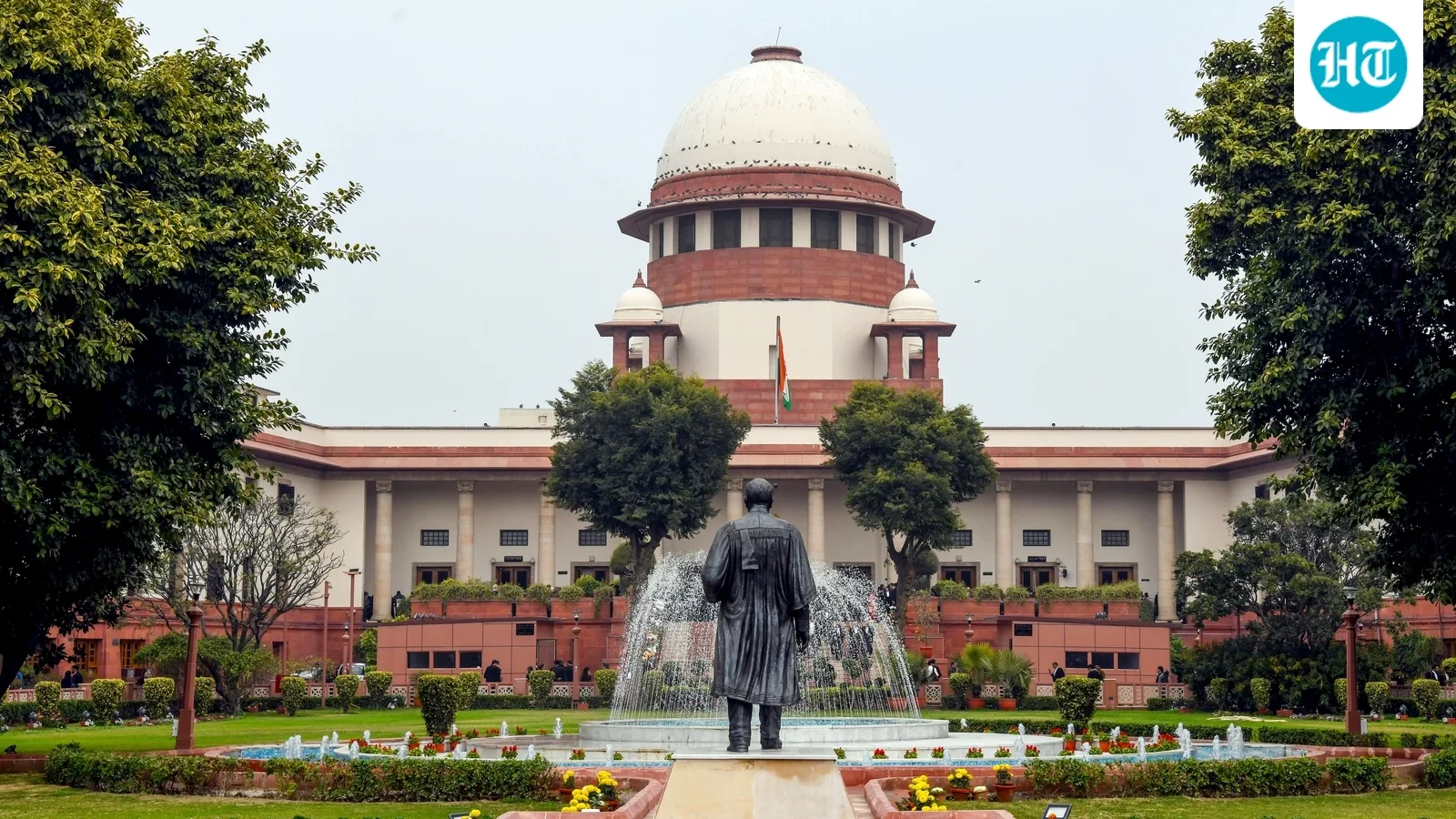
On October 24, the Supreme Court of India expressed serious concerns regarding the pricing of medicines, particularly the vast gap between the maximum retail price (MRP) and the costs incurred by retailers. During a hearing involving two petitions, Justices Vikram Nath and Sandeep Mehta questioned the government's role in allowing such discrepancies to persist, suggesting that the current system disproportionately benefits pharmaceutical manufacturers.
The bench's inquiry into the government's oversight of drug pricing revealed a lack of effective regulation, with Justice Nath describing the National Pharmaceutical Pricing Authority (NPPA) as a "totally defunct" body. The justices questioned whether the existing practices should continue unchecked, emphasizing the need for accountability in the pharmaceutical sector.
During the proceedings, Additional Solicitor General Aishwarya Bhati defended the government's position, stating that the policy aims to maintain a balance between affordability and the availability of medicines. She argued that medicine prices in India are among the lowest worldwide, suggesting that stringent controls could negatively impact the pharmaceutical industry.
The Supreme Court's scrutiny comes on the heels of previous criticisms directed at the government regarding the high markup on cancer drugs by hospitals. In an earlier ruling, the court had expressed dissatisfaction with the government's response to capping trade margins for anti-cancer drugs at 30% of MRP, questioning why similar measures could not be applied to other medications. The government has indicated that this cap could save patients approximately ₹2,500 crore annually.
As the court reserved its order on the matter, the implications of these discussions could lead to significant changes in drug pricing regulations in India. The Supreme Court's ongoing examination of the pharmaceutical pricing system underscores the urgent need for reform to protect consumers and ensure fair pricing practices in the healthcare sector.