Student Movement Topples Serbian Leader Vučić After 14 Years
A grassroots student movement has successfully ended Aleksandar Vučić's long-standing rule in Serbia, marking a significant political shift.
The movement began after a tragic incident in 2024, leading to widespread protests against government corruption.
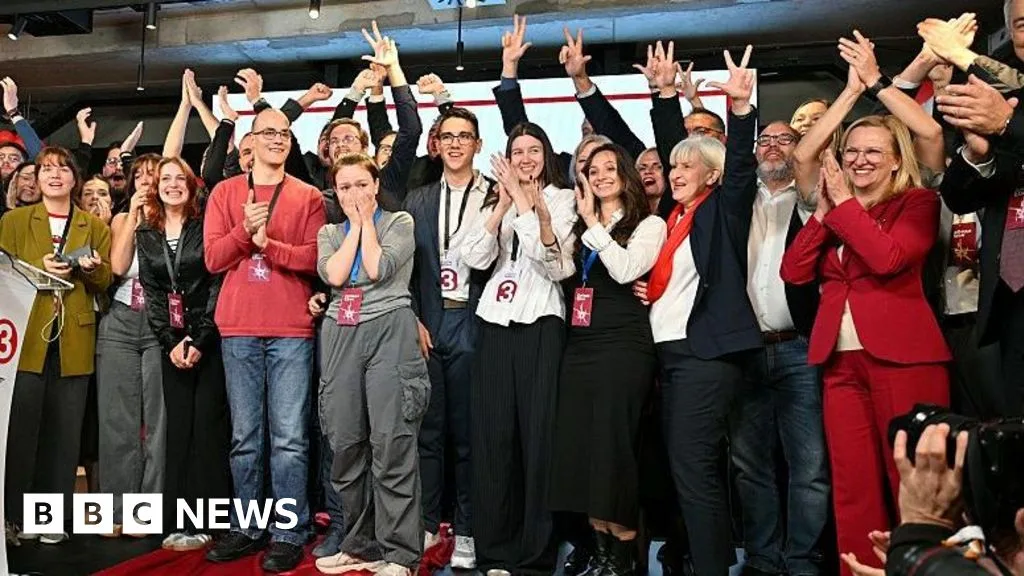
Students united various societal groups, culminating in a parliamentary election that resulted in Vučić's defeat.
Elected representatives now face the challenge of implementing reforms promised by the student-led initiative.
In a historic political shift, a grassroots movement spearheaded by students has successfully ousted Serbian President Aleksandar Vučić, ending his 14-year reign. The culmination of this effort was evident in the recent parliamentary elections, where the once-dominant Serbian Progressive Party (SNS) faced a significant defeat, marking a referendum on the future of Serbia. The students, who began their activism following a tragic incident in 2024, celebrated their victory with supporters across major cities, declaring, "Serbia is free."
The movement was ignited on November 1, 2024, when a concrete canopy collapsed at the Novi Sad train station, resulting in the deaths of 16 individuals. This tragedy highlighted systemic corruption and government negligence, prompting students to mobilize against the administration. What began as localized protests quickly escalated into a national movement, drawing support from diverse sectors of society, including farmers, artists, and legal professionals. The protests gained momentum, leading to the resignation of Vučić's prime minister in early 2025 and culminating in Serbia's largest anti-government protest in March of that year.
As the student-led initiative grew, it became increasingly organized, with participants learning to advocate for fair electoral practices. When snap elections were announced, the movement was ready to challenge the status quo. Helena Ivanov from the Henry Jackson Society noted that the students transformed emotional momentum into a structured campaign, emphasizing the need for rule of law. Despite initial attempts by Vučić to downplay the protests, he eventually conceded defeat, albeit while alleging foreign interference.
The next phase for Serbia remains uncertain, as the students did not field candidates in the elections, opting instead to support a diverse slate of individuals from various backgrounds. Among those elected are notable figures such as former basketball star Dejan Bodiroga and opera singer Nikola Mikić. The new representatives are tasked with fulfilling a manifesto that includes eradicating corruption, reforming the media, and ensuring accountability within government institutions.
Looking ahead, the elected officials will need to navigate the expectations set by the student movement. They are seen as the voice of the students who have fought for change over the past two years. As Serbia embarks on this new political chapter, the pressure will be on these representatives to deliver on their promises and uphold the values championed by the students, ensuring that the movement's legacy continues within the institutions of power.