Stalemate in U.S.-Iran Nuclear Talks Raises Conflict Fears
Negotiations over Iran's uranium enrichment have hit a deadlock, prompting concerns of renewed military tensions.
U.S. demands written guarantees from Iran on uranium stockpile elimination.
Iran insists on protecting national interests in any agreement.
Mediators continue to facilitate dialogue amid rising tensions.
Negotiations between the United States and Iran regarding Tehran's enriched uranium stockpile have reached an impasse, raising alarm about the potential for renewed military conflict in the region. Mediators have expressed their inability to ensure a return to stability in West Asia as both parties maintain rigid stances on critical issues.
The deadlock comes as Washington insists on a definitive roadmap and written commitments from Iran to dismantle its enriched uranium reserves and halt future enrichment activities. Despite various proposals from mediators aimed at reconciling differences, both sides have remained steadfast in their positions, complicating the diplomatic landscape.
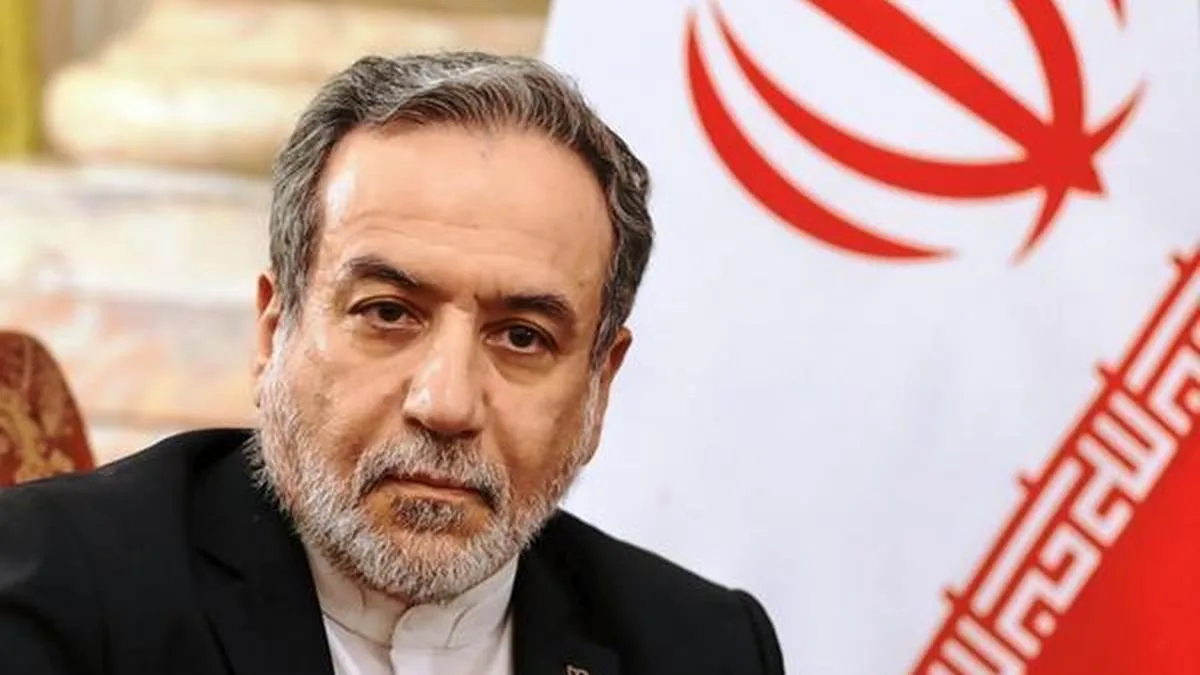
Iranian Foreign Minister Abbas Araghchi emphasized that Tehran would not agree to a deal solely to resolve the current diplomatic stalemate. He stated that any agreement must safeguard Iran's national interests and provide assurances against further military confrontations. In a recent interview, he questioned the viability of any deal that could be easily violated, recalling the quick return to hostilities following a previous ceasefire.
While Iran is open to discussions about its uranium enriched to 60%, it has firmly rejected the idea of transferring this material outside its borders. Araghchi noted that a fair agreement on uranium enrichment could be achieved if it is part of a comprehensive deal addressing Iran's security and economic concerns. He also confirmed ongoing communications between Tehran and Washington through intermediaries, including Qatar and Pakistan, expressing hope for a diplomatic resolution.
Looking ahead, the situation remains precarious as both nations continue to navigate their complex relationship. The reopening of the Strait of Hormuz by Iran is contingent upon the fulfillment of specific U.S. conditions, highlighting the intricate ties between Iran's nuclear program, sanctions, and broader security issues in the region.