Sri Ganganagar Tops Global Pollution List with AQI of 868
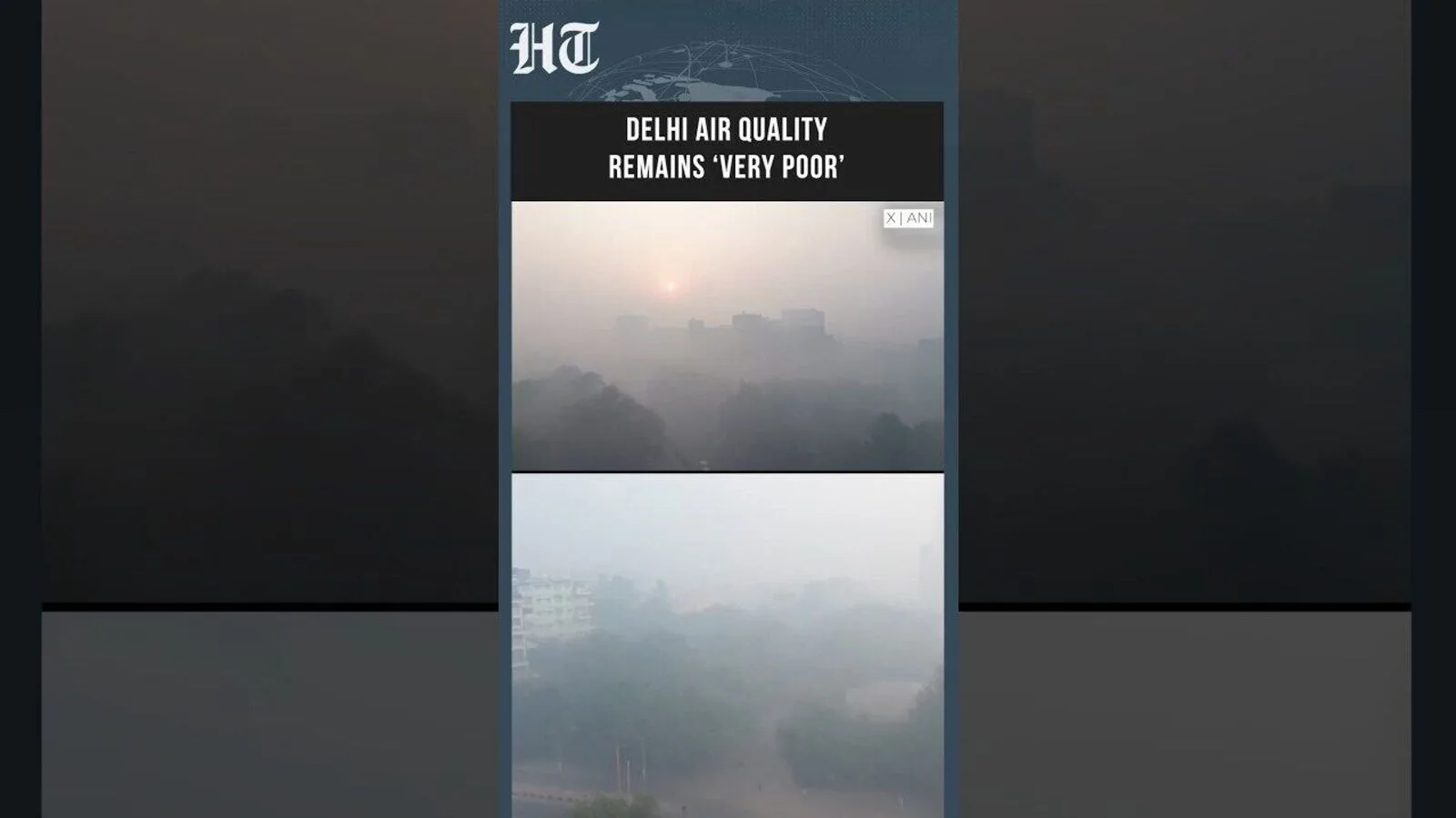
Following Diwali, 93 of the 100 most polluted cities worldwide are in India, with alarming air quality levels reported.
Sri Ganganagar in Rajasthan recorded the highest AQI of 868.
New Delhi ranked 15th globally with an AQI of 380.
Pollution levels have surged significantly across various Indian states.
In the aftermath of Diwali celebrations on November 8, India has emerged as the country with the highest number of polluted cities globally. According to data released by AQI.in on November 9, a staggering 93 out of the 100 most polluted cities in the world are located in India, highlighting a severe air quality crisis.
Sri Ganganagar in Rajasthan has taken the lead in this concerning ranking, reporting an Air Quality Index (AQI) of 868, classified as hazardous. Following closely are Faridkot and Bathinda in Punjab, with AQIs of 842 and 797, respectively. The alarming figures reflect a significant deterioration in air quality across various Indian states, raising public health concerns.
The rankings reveal that Sirsa in Haryana and Bhiwani are also among the top five, with AQIs of 612 and 548. Other cities such as Budaun in Uttar Pradesh and Hisar have AQIs of 489 and 485, respectively. Notably, Amritsar, Lahore in Pakistan, and Prayagraj round out the top ten, all classified under hazardous air quality levels.
The data indicates that pollution is not confined to Delhi and its immediate surroundings. Cities like Pune, Bhopal, and Patna are also experiencing significant air quality issues, with AQIs of 278, 284, and 258. This widespread pollution across central, eastern, and western India underscores the urgent need for effective air quality management strategies.
Looking ahead, the situation calls for immediate action from local and national authorities to address the pollution crisis. With the winter months approaching, which typically exacerbate air quality issues, it is crucial for stakeholders to implement measures aimed at reducing emissions and improving air quality standards across the country.