Spain's Snap Election: Voters Face Critical Choices on December 3
As Spain prepares for a pivotal election, voters must choose between PM Sanchez's progressive vision and a conservative shift led by the PP and Vox.
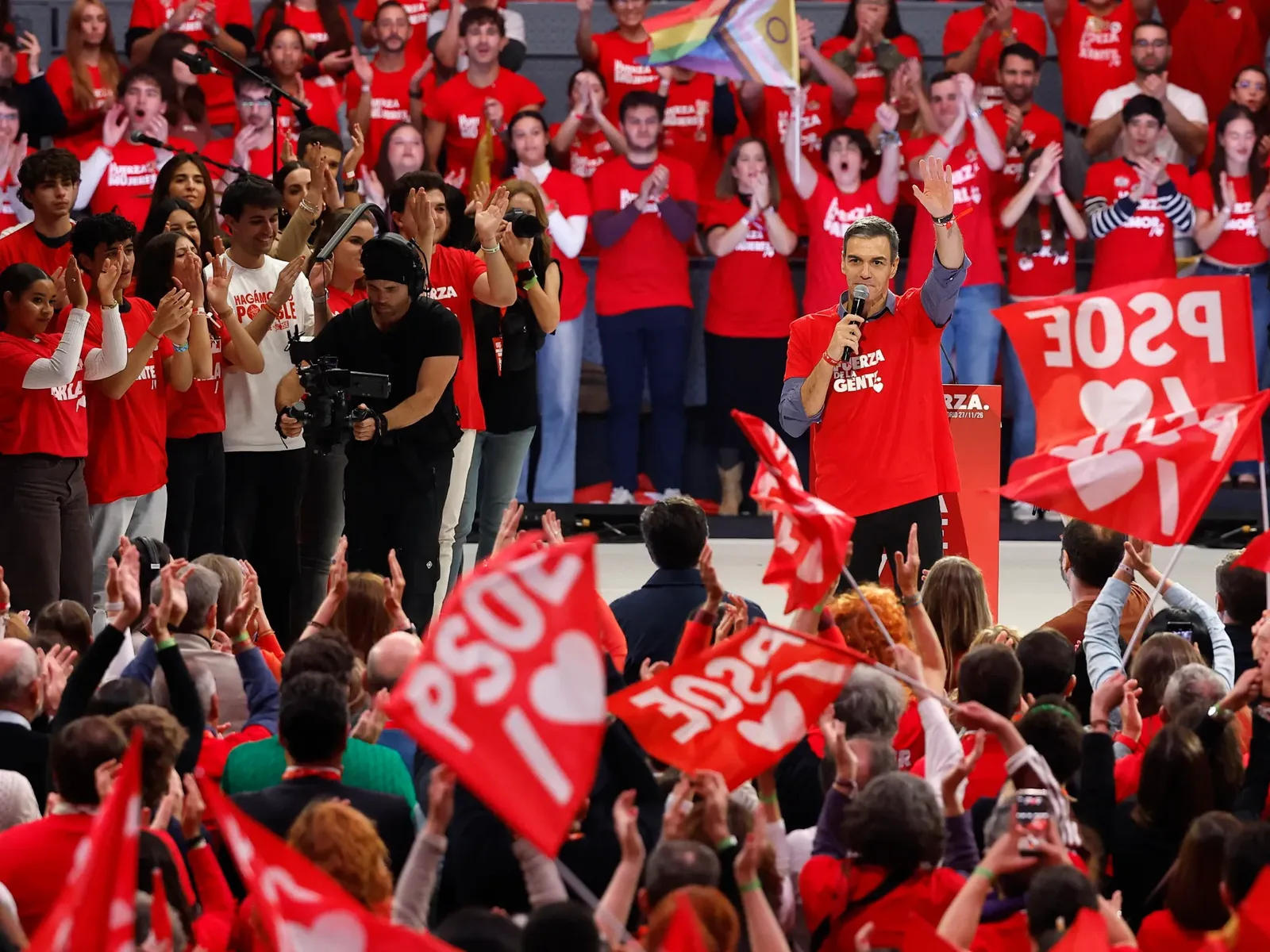
Pedro Sanchez seeks re-election amid rising support for conservative parties.
Polls indicate a potential coalition between the PP and Vox could secure a majority.
Housing issues and economic concerns dominate the election discourse.
Spain is gearing up for a crucial election on December 3, where voters will decide the future direction of the country amidst a backdrop of political polarization. Prime Minister Pedro Sanchez, representing the Socialist Party, is campaigning for re-election, while the conservative People's Party (PP) and the far-right Vox party are gaining traction, potentially allowing them to enter the national government for the first time since the end of Franco's dictatorship.
The election comes after a contentious campaign focused on pressing issues such as housing and immigration. Sanchez's supporters argue that his administration has fostered economic growth and social progress, while critics from the opposition contend that the country is plagued by corruption and a need for significant change. Political scientist Alvaro Sanchez-Garcia noted that the elections have been framed as a referendum on Sanchez's leadership, with voters largely aligning with their respective political blocs.
Current polling suggests that the PP is likely to secure the most seats, but it will require support from Vox to achieve the 176 seats needed for a majority in the 350-member Congress of Deputies. Both parties are projected to reach this threshold together, opening the door for PP leader Alberto Nunez Feijoo to form a government, either through a coalition or a minority arrangement backed by Vox. Despite these predictions, Sanchez remains optimistic about mobilizing left-leaning voters to counter a right-wing surge.
Sanchez, who has been in power since 2018, highlights Spain's economic resilience, with the European Commission forecasting a growth rate of 2.6% for the country this year. However, many citizens express dissatisfaction with living conditions, citing issues such as housing affordability and healthcare access. Critics argue that while economic indicators may have improved, the benefits have not been felt equally across the population, particularly among those struggling with rising costs.
As the election approaches, the potential for a PP-Vox coalition raises concerns among some voters, although recent polling indicates a shift in public perception regarding the far-right party's influence. The outcome of this election could significantly reshape Spain's political landscape, with polling stations opening at 9 AM local time and provisional results expected to emerge shortly after voting concludes at 8 PM.