Saurav Das Provides Residential Proof to Magistrate
Saurav Das presents documents confirming his Delhi address during a court hearing.
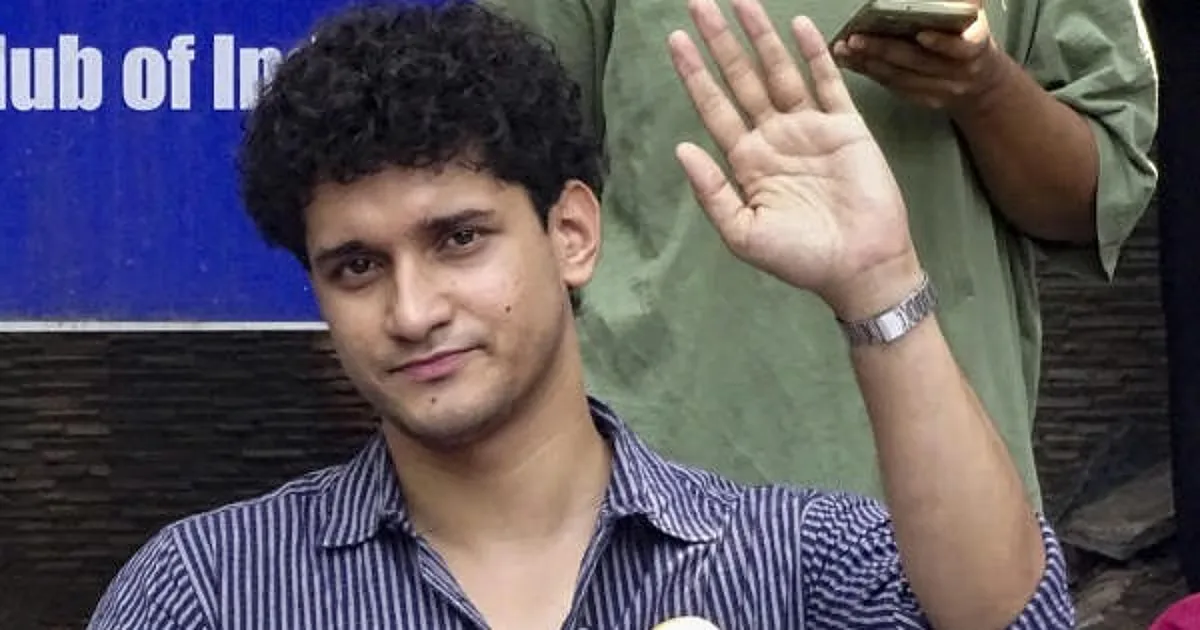
Saurav Das submitted residential documents to a special executive magistrate.
The magistrate allowed the documents to be used solely for verification.
Concerns were raised about the potential leakage of sensitive information.
Saurav Das has officially submitted proof of his residential address to a special executive magistrate during a recent court session. This submission comes amid ongoing scrutiny regarding his living situation in Delhi, where he has faced various allegations. The magistrate accepted the documents under specific conditions, ensuring that they would only be utilized for the purpose of residence verification.
During the hearing, Das emphasized the importance of confidentiality regarding the submitted documents. He expressed concerns about the potential for these sensitive materials to be leaked to the public, particularly through social media channels. His apprehensions highlight the ongoing challenges faced by individuals in the public eye, especially when legal matters are involved.
The special executive magistrate's ruling allows for the verification process to proceed while safeguarding the submitted documents from unauthorized disclosure. This decision is crucial for Das, as it provides a legal framework for confirming his residency without compromising his privacy.
The implications of this case extend beyond Das himself, as it raises broader questions about privacy rights and the handling of personal information by law enforcement agencies. The public's interest in such cases often leads to a heightened risk of information leaks, which can have serious repercussions for those involved.
Looking ahead, the next steps in this legal process will focus on the verification of Das's residency. The court's decision will likely influence how similar cases are managed in the future, particularly regarding the balance between transparency and individual privacy rights.