Samajwadi Party Proposes 26 Seats to Congress for 2027 Elections
In a significant development ahead of the Uttar Pradesh Assembly elections, the Samajwadi Party has offered 26 seats to Congress.
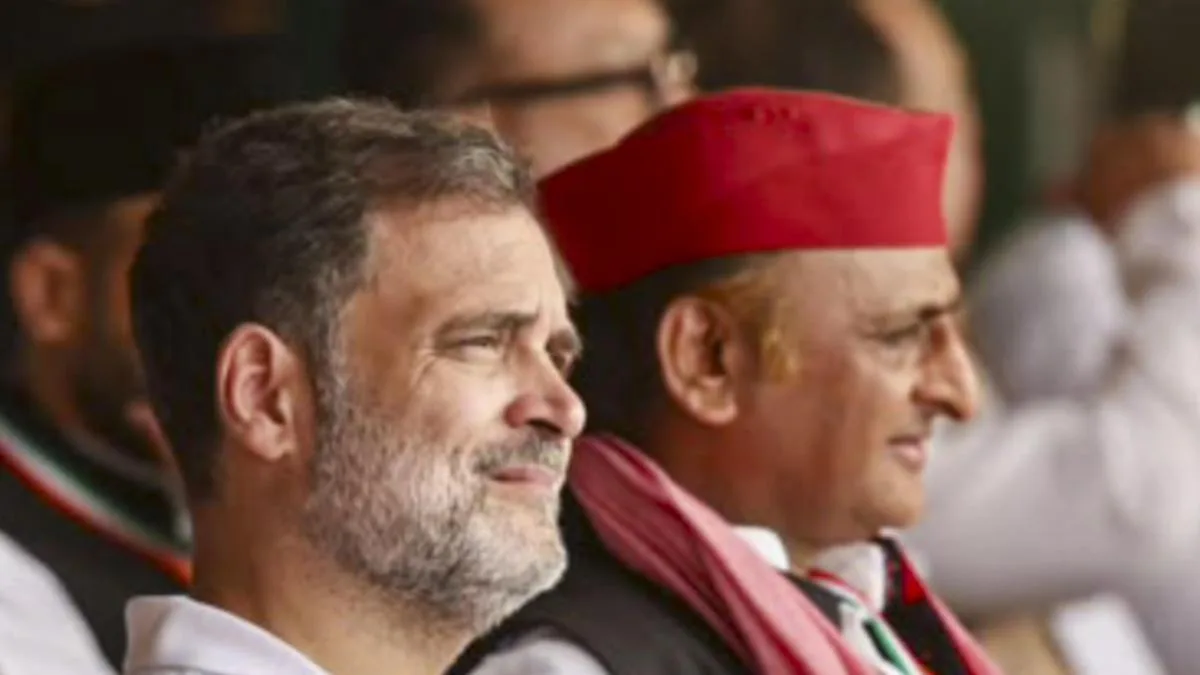
Samajwadi Party offers 26 seats to Congress for upcoming elections.
The offer includes seats where Congress previously performed well.
Uttar Pradesh Minister criticizes the alliance as politically motivated.
On November 24, 2026, Ram Gopal Yadav, the secretary general of the Samajwadi Party (SP), announced that the party has proposed 26 seats to Congress for the upcoming Uttar Pradesh Assembly elections scheduled for 2027. This announcement comes ahead of the second round of discussions regarding seat-sharing between the two parties, which took place at Congress leader Pramod Tiwari's residence in Delhi.
Yadav detailed the offer, stating that it includes two seats won by Congress in the previous elections, four where Congress finished second, and 20 additional seats where the SP had garnered between 60,000 to 70,000 votes, compared to Congress's approximate 2,000 votes. The Uttar Pradesh Assembly consists of 403 seats, making this seat-sharing arrangement crucial for both parties as they prepare for the electoral battle.
The ongoing discussions have drawn criticism from various political figures. Uttar Pradesh Minister Dayashankar Singh remarked that the alliance between SP and Congress represents a union of "opposite poles," driven by self-interest rather than shared ideology. He accused SP chief Akhilesh Yadav of compromising the foundational principles established by his father, Mulayam Singh Yadav, who founded the party in opposition to Congress's political practices.
Singh emphasized the historical context, recalling that Mulayam Singh Yadav faced political persecution from Congress, which he claimed undermined democratic values. He expressed concern that Akhilesh Yadav's current alliance with Congress contradicts the party's original mission and called for transparency regarding the motivations behind this collaboration.
As the second round of seat-sharing talks progresses, the implications of this alliance could significantly impact the political landscape in Uttar Pradesh. With the elections approaching, both parties must navigate public perception and internal party dynamics to ensure a united front. The outcome of these discussions will be pivotal in shaping their electoral strategies and potential success in the upcoming elections.