RBI Increases Repo Rate to 5.5% Amid Inflation Concerns
The Reserve Bank of India raises interest rates for the first time in nearly four years, responding to rising inflation and global economic pressures.
RBI raises repo rate by 25 basis points to 5.5%.
Inflation projected at 5.2% for 2026-27, higher than previous estimates.
Rate hike expected to impact consumer borrowing and sentiment.
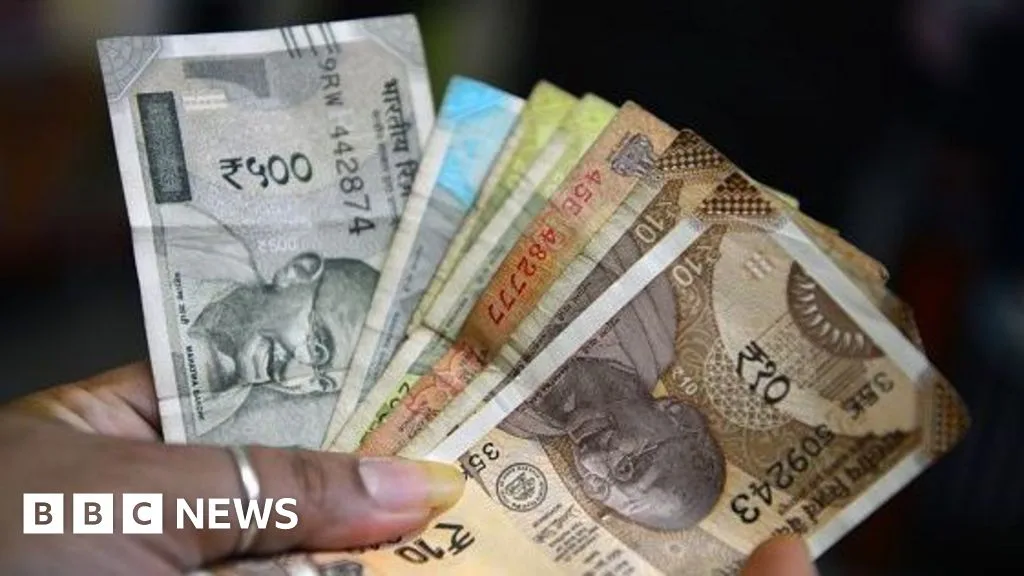
In a significant move to combat rising inflation, the Reserve Bank of India (RBI) has raised its benchmark repo rate by 25 basis points to 5.5%. This marks the first increase in nearly four years, reflecting the central bank's response to escalating inflationary pressures and global economic uncertainties. The decision is expected to lead to higher borrowing costs for consumers seeking loans for cars, homes, and personal expenses.
The backdrop of this rate hike includes a global trend of tightening monetary policies, particularly in response to energy-driven inflation exacerbated by geopolitical tensions, such as the ongoing conflict in the Middle East. The RBI's action comes as part of a broader strategy to maintain economic stability while addressing inflation that has been influenced by factors such as fluctuating oil prices and adverse weather conditions affecting agricultural output.
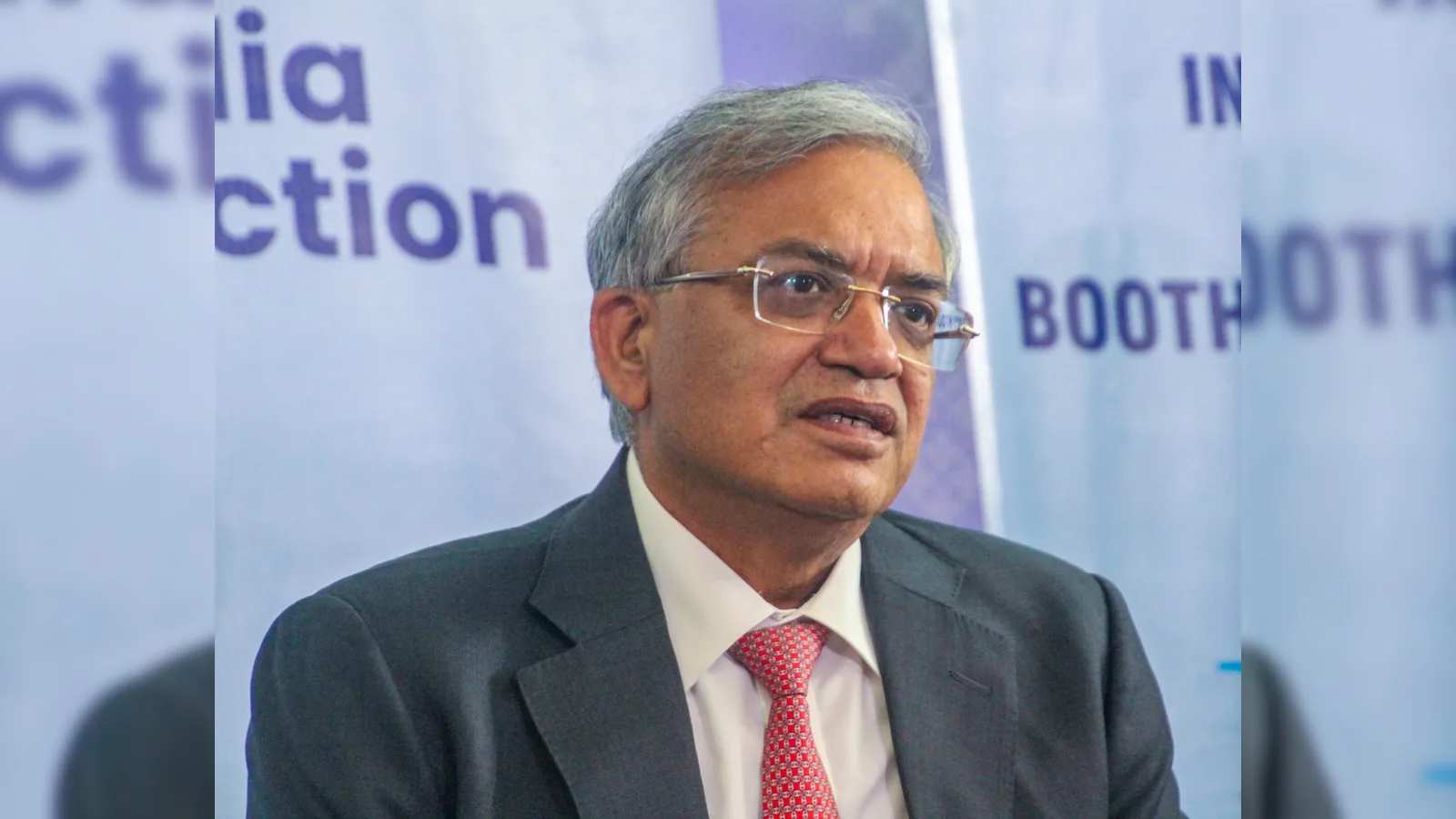
RBI Governor Sanjay Malhotra, in his address following the policy announcement, emphasized the need for vigilance in light of challenging geopolitical developments. He indicated that further rate increases or maintaining the current rate could be on the table, depending on future inflation trends. The RBI's updated projections estimate the Consumer Price Index (CPI) inflation at 5.2% for the fiscal year 2026-27, an increase from the previously anticipated 5%. This adjustment accounts for various pressures, including high international oil prices, which are currently above $100 per barrel, and the depreciation of the Indian rupee against the dollar.
The implications of this rate hike extend beyond immediate borrowing costs. India's benchmark equity indices, Sensex and Nifty, experienced declines as investors reassessed the potential impact of increased borrowing costs on consumer spending and corporate investments. Anuj Puri, chairman of ANAROCK Group, noted that the rate increase could dampen consumer sentiment, particularly during the festive season, a critical period for housing demand.
Looking ahead, the RBI has upgraded its growth outlook, projecting a GDP growth rate of 7.1% for the current financial year, an increase from earlier estimates. Governor Malhotra reiterated the RBI's commitment to achieving price and financial stability, which he described as essential for sustainable long-term growth. The central bank plans to employ a mix of liquidity management tools to ensure stability in the financial system while addressing the volatility of the rupee.