Railways Enforces Strict Penalties for Mobile Speaker Use
Railways warns against using mobile phones in speaker mode, imposing fines and potential imprisonment.
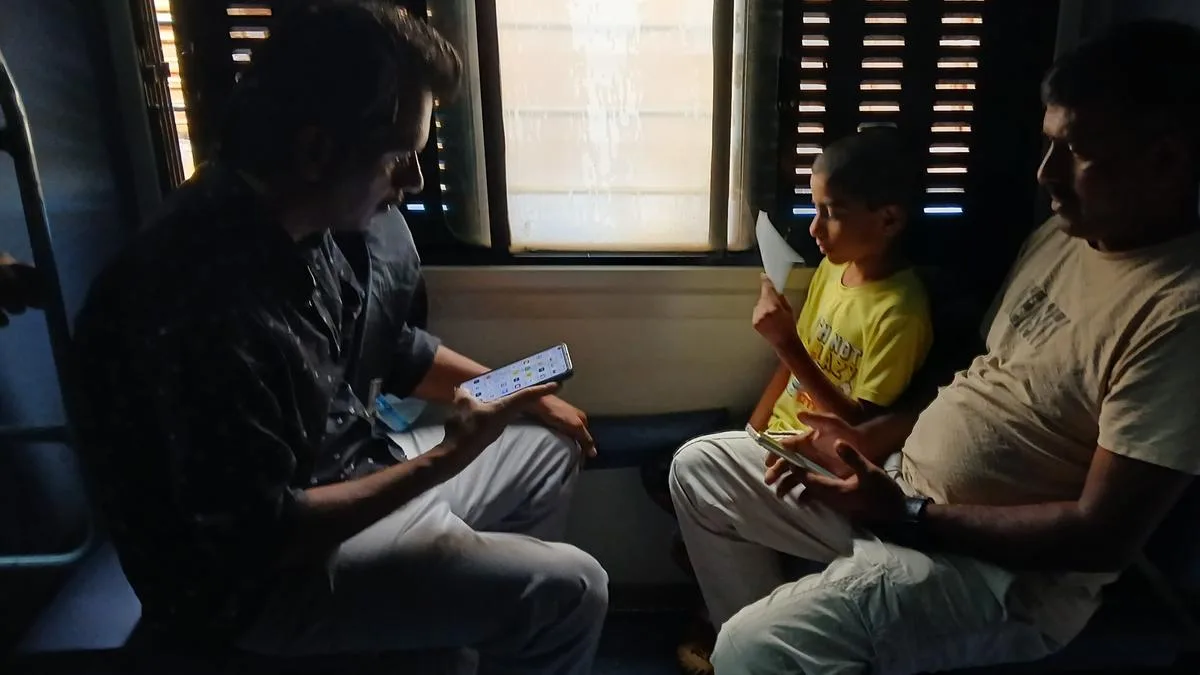
Passengers using mobile phones in speaker mode may face removal and fines up to ₹1,000.
Continued nuisance can lead to six months imprisonment or a fine of ₹5,000.
Southern Railway emphasizes the need for public awareness regarding these regulations.
In a recent directive, the Indian Railways has taken a firm stance against the use of mobile phones in speaker mode within railway premises, including trains and stations. This action comes as a response to growing complaints about disturbances caused by passengers playing music and videos aloud, which disrupts the comfort of fellow travelers. The Railways has invoked Section 145 (2) (a) of the Railways Act, which addresses public nuisance, to enforce these regulations.
The Southern Railway headquarters highlighted that the increasing accessibility of mobile internet has led to more passengers engaging in this disruptive behavior. To mitigate the issue, the Railways has mandated that individuals using their phones inappropriately may be removed from railway premises and fined ₹1,000. If a passenger continues to create a disturbance after being warned, they could face up to six months of simple imprisonment and/or a fine of ₹5,000.
In a circular distributed to various divisions, the Southern Railway emphasized the importance of maintaining a peaceful environment for all passengers. It instructed divisions to regularly announce these prohibitions to raise awareness among travelers. The authority to impose penalties has been granted to commercial staff, including ticket examiners, who are tasked with ensuring compliance with these new rules.
The implications of this regulation extend beyond mere fines; it reflects a broader concern regarding public behavior in shared spaces. A recent incident involving Carnatic vocalist Sivasri Skandaprasad, who experienced significant disruption from a loud group during her journey, underscores the urgent need for improved etiquette among passengers. Her experience, shared on social media, has sparked discussions about the necessity for better public conduct in communal settings.
Looking ahead, the Railways plans to enhance its communication efforts to ensure that all passengers are aware of these regulations. As public awareness grows, the Railways hopes to foster a more respectful and considerate travel environment. The enforcement of these rules is expected to begin immediately, with ongoing monitoring to assess their effectiveness in reducing disturbances on trains and at stations.