Rahul Gandhi Launches ‘Satyagraha’ Platform Amid Ongoing Protests
As protests against Chief Election Commissioner Gyanesh Kumar escalate, Rahul Gandhi introduces a digital platform to unite resistance movements nationwide.
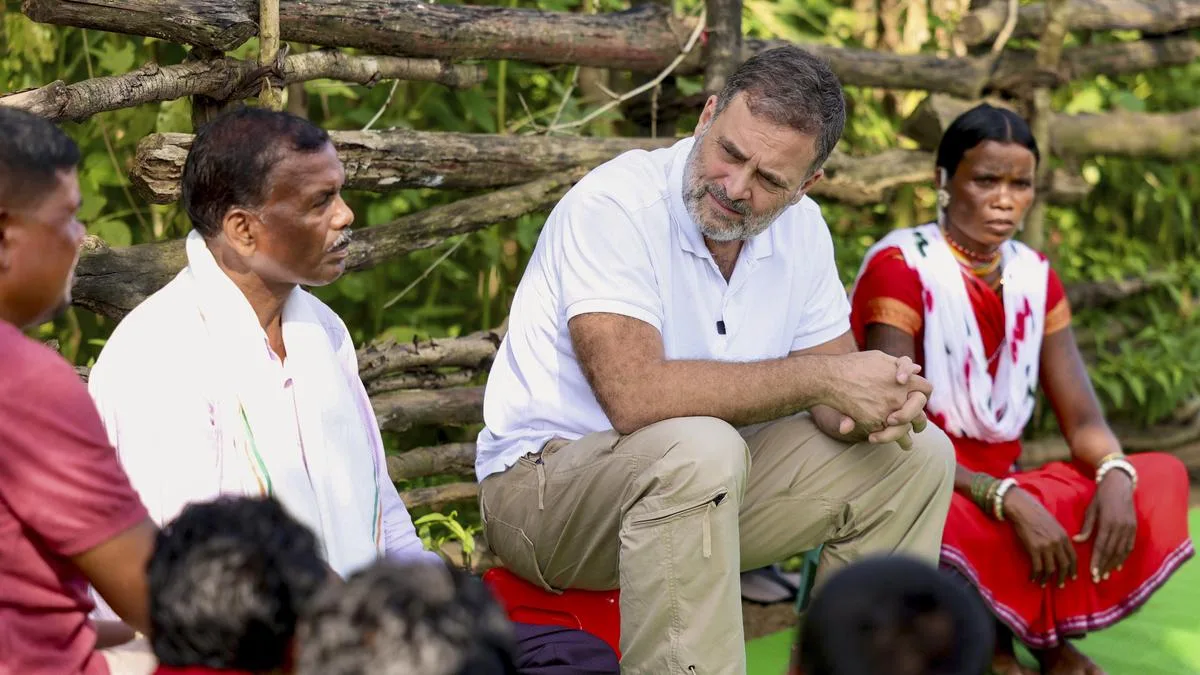
Rahul Gandhi's ‘Satyagraha’ platform aims to consolidate voices of various social movements.
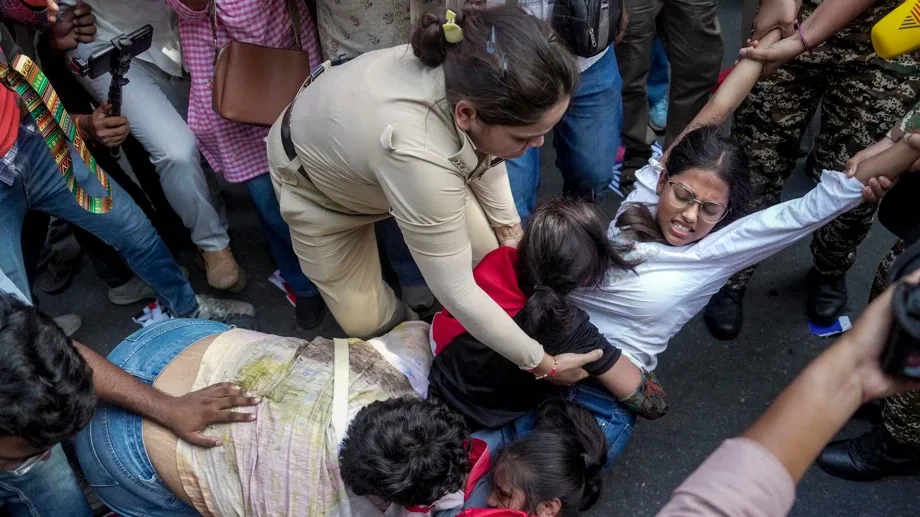
Protests in Delhi led to the detention of around 150 activists, including prominent leaders.
Congress leaders demand the dissolution of the Lok Sabha, labeling current elections as illegal.
On October 3, 2026, protests against Chief Election Commissioner Gyanesh Kumar intensified as opposition leaders and civil society activists took to the streets. In response to the growing unrest, Rahul Gandhi, the Leader of the Opposition in the Lok Sabha, launched the ‘Satyagraha’ digital platform designed to document and support resistance movements across India. In a video shared on social media, Gandhi emphasized the suppression of truth and his commitment to aiding those fighting against it.
The protests, which have been ongoing for two days, saw approximately 150 demonstrators detained by Delhi Police. Among those arrested were notable figures such as Neha Bora, president of the All India Students’ Association, and civil rights activists like Yogendra Yadav and Anjali Bharadwaj. The protests were primarily aimed at opposing the special intensive revision of electoral rolls, with activists alleging significant irregularities in the process.
Gandhi's ‘Satyagraha’ initiative aims to connect individuals engaged in various struggles, including students, farmers, and marginalized communities. He encouraged participants to share their experiences on the platform, stating that their stories would be acknowledged and addressed in Parliament and beyond. The platform received over 10,000 submissions within nine hours of its launch, indicating a strong desire for collective action among citizens.
The implications of these protests extend beyond immediate grievances, as Congress President Mallikarjun Kharge called for the dissolution of the Lok Sabha and State Assemblies, claiming that the current electoral framework is fundamentally flawed. He labeled Prime Minister Narendra Modi and other officials as illegal occupants of their positions, asserting that the government was formed through “stolen votes.” This sentiment reflects a broader dissatisfaction with the electoral process and governance in India.
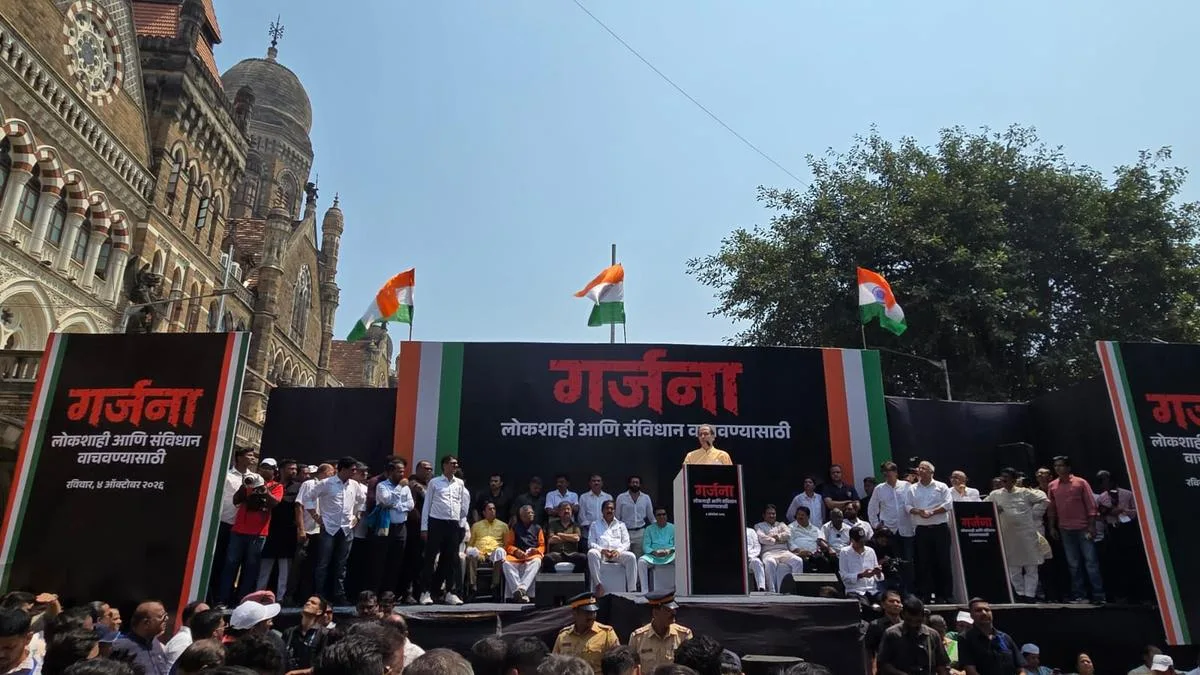
Looking ahead, the opposition plans to escalate its protests, with a march to the Election Commission scheduled for October 6. Kharge and other leaders are determined to mobilize public support against what they perceive as an unjust electoral system. Meanwhile, the political landscape continues to evolve as various factions, including the Shiv Sena (UBT), express solidarity with the protests, emphasizing the need to reclaim democratic values in India.