Protests Erupt in Delhi Over CEC Gyanesh Kumar's Leadership Amid Legal Delays
Demonstrations in Delhi intensify as various groups demand accountability from Chief Election Commissioner Gyanesh Kumar, alleging deliberate delays in legal proceedings.
Protests led by the Indian Youth Congress and farmers' organizations call for the resignation of CEC Gyanesh Kumar.
CJP leaders Ashutosh Ranka and Saurav Das face prolonged detention amid accusations of judicial delays.
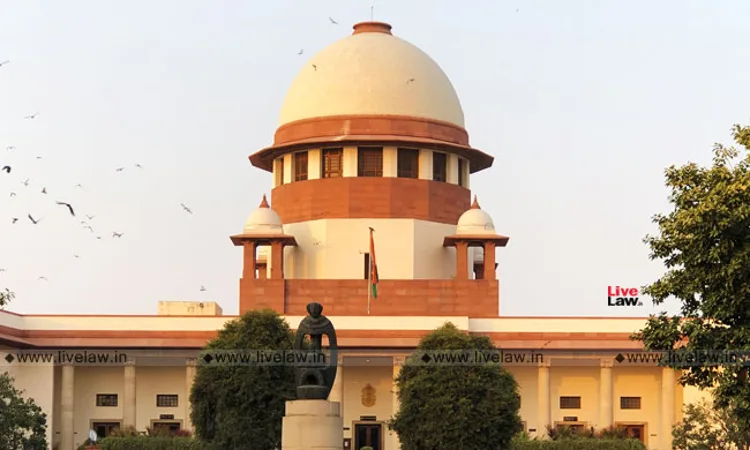
The Supreme Court is examining the legality of immunity granted to election officials amid rising public dissent.
On October 18, 2026, significant protests unfolded in Delhi, with various groups demanding the resignation of Chief Election Commissioner Gyanesh Kumar. The demonstrations were fueled by allegations of electoral malpractice and a lack of transparency in the Special Intensive Revision (SIR) of electoral rolls. The Indian Youth Congress initiated a digital campaign titled 'Digital Ravan Dahan', inviting citizens to vote against perceived electoral injustices.
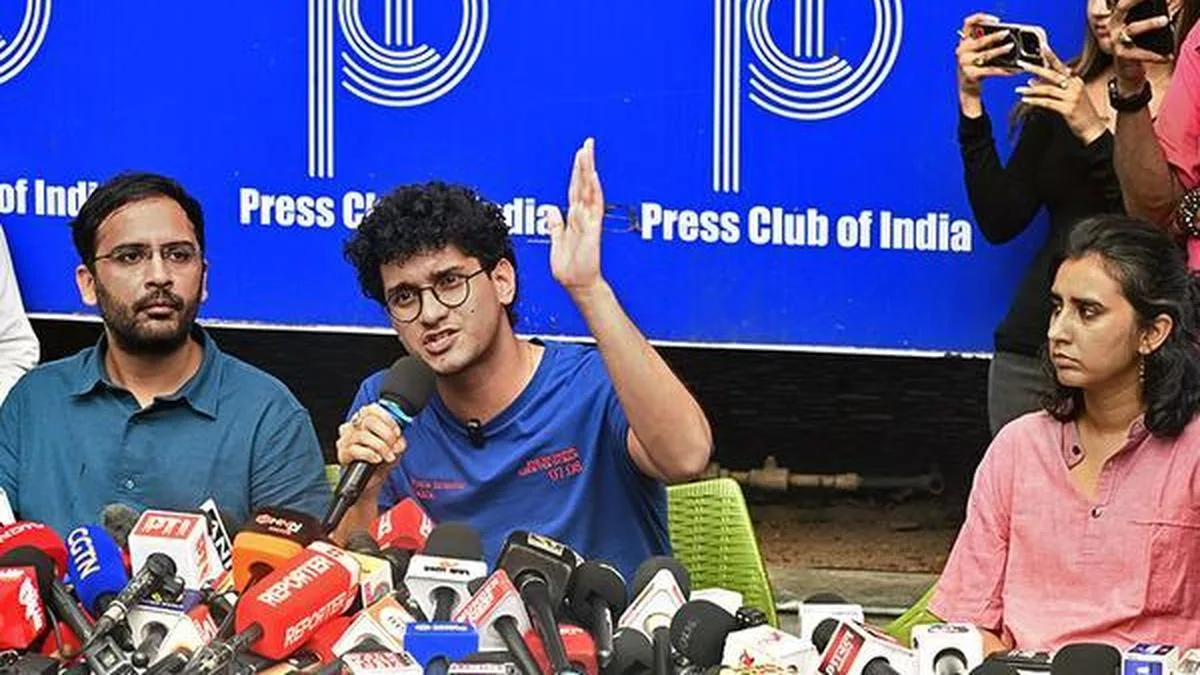
The protests gained momentum as Abhijeet Dipke, founder of the Cockroach Janta Party, accused the state of intentionally delaying court proceedings concerning the release of CJP co-convenors Ashutosh Ranka and Saurav Das. Dipke asserted that there were no legal justifications for their continued detention, suggesting that the authorities were employing delaying tactics to keep them incarcerated.
Ratna Singh, the legal head of the CJP, expressed frustration over the judicial process, claiming that the hearing for Ranka and Das was postponed without just cause. She criticized the Special Executive Magistrate for focusing on an alleged threatening message rather than the merits of their case, indicating a troubling trend in the judicial handling of political dissent.
The implications of these protests extend beyond immediate demands for accountability. The Supreme Court has recently issued notices regarding the immunity of the Chief Election Commissioner and Election Commissioners, a move that could reshape the legal landscape governing electoral oversight in India. As public discontent grows, the Congress party has mobilized its resources, appointing 208 observers for its 'Vote Bachao, Desh Bachao' campaign, aimed at countering the SIR initiative.
Looking ahead, the situation remains fluid as farmers' organizations plan a march to Delhi on October 23, further escalating the call for CEC Gyanesh Kumar's resignation. The political landscape is charged with tension, and the outcomes of these protests and legal challenges could significantly influence the upcoming electoral processes in India.