Protests Erupt Across Europe Amid Rising Living Costs - October 2026
Major cities in Europe are witnessing widespread protests fueled by escalating fuel prices, housing crises, and discontent with public services.
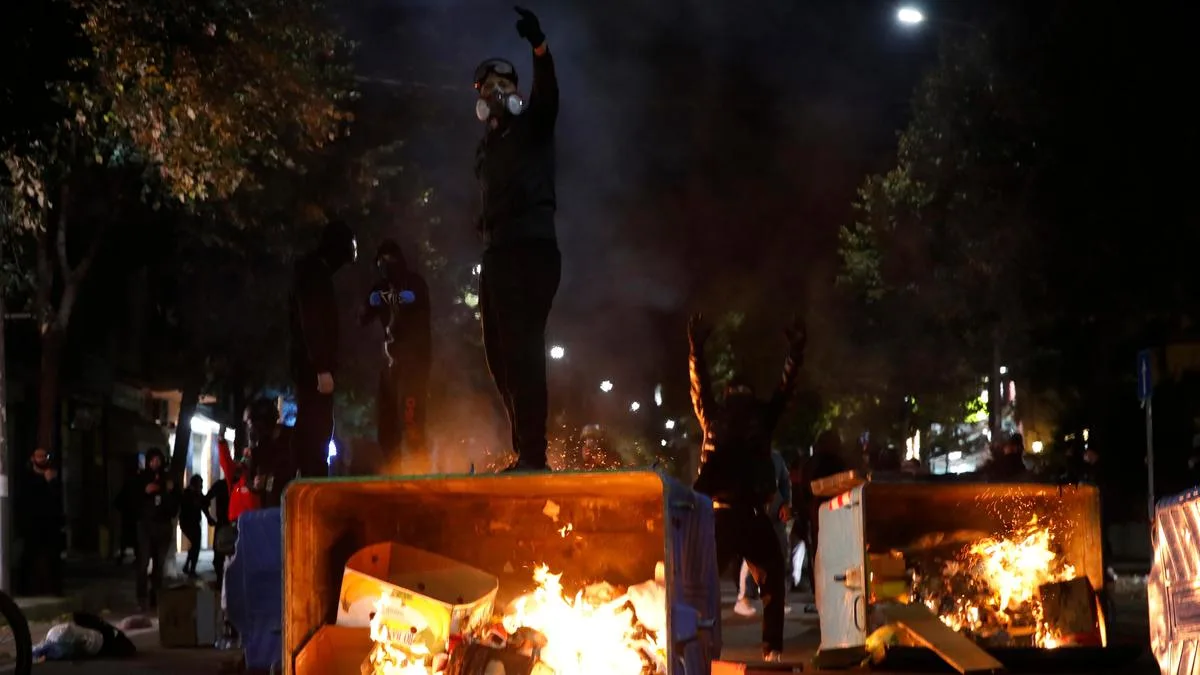
Protests have erupted in France, Italy, Spain, and Albania, leading to violence and arrests.
Young people are at the forefront, demanding better education, housing, and living conditions.
Political tensions rise as far-right parties gain traction amid the unrest.
Protests have swept across Europe, igniting unrest in major cities such as Paris, Madrid, and Tirana, as citizens express their frustration over soaring living costs and inadequate public services. The demonstrations, which began in France, have now spread to Italy, Spain, and Albania, resulting in violent clashes with law enforcement, widespread arrests, and significant property damage.
The backdrop to these protests includes a combination of rising fuel prices, a housing crisis, and declining public services. In France, high school students have been protesting for weeks, demanding more resources for their schools, which they describe as underfunded and in disrepair. The movement has expanded to include broader issues related to living costs and public services, as unions and activists join the cause.
In Spain, teachers have initiated an indefinite strike in Madrid, demanding better pay and working conditions, while protests against unaffordable housing have emerged in response to the eviction of an elderly woman. The situation has prompted the government to propose affordable housing measures, although political gridlock has stalled their passage, leading to a snap election announcement.
Italy is also experiencing unrest, with thousands participating in the “Italia in Piazza” movement, advocating for improved wages and public services. However, peaceful protests have turned violent in cities like Milan and Turin, resulting in numerous arrests and injuries among demonstrators and police alike. The unrest coincides with rising inflation, which has reached 4.2% in Italy, exacerbating public discontent.
In Albania, anti-government protests have intensified, particularly among students demanding the resignation of Prime Minister Edi Rama. The protests are part of a broader anti-corruption movement, which has gained momentum amid allegations of government mismanagement. As protests continue to unfold, the political landscape in Europe remains uncertain, with upcoming elections and potential for further unrest on the horizon.