PM Modi Engages in ASEAN Summits in Manila on November 17
Prime Minister Narendra Modi arrives in the Philippines to attend significant regional summits aimed at enhancing India's ties with ASEAN nations.
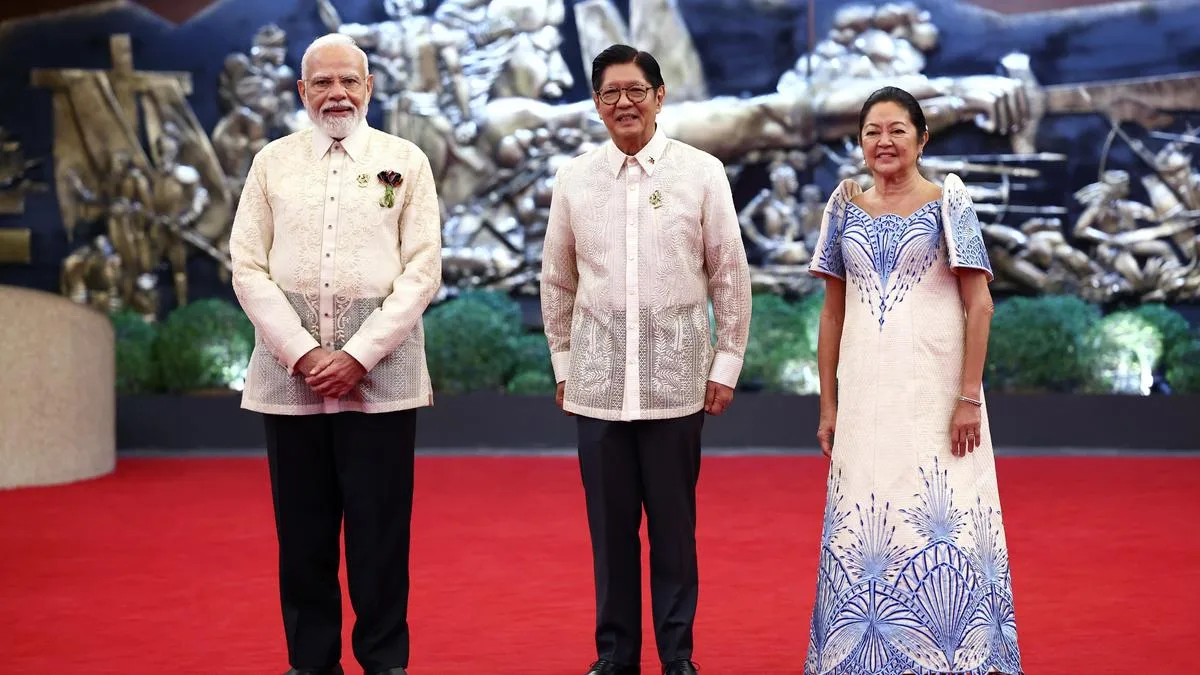
Modi emphasizes the importance of ASEAN in India's Act East Policy.
He will participate in the 49th ASEAN Summit and the 23rd ASEAN-India Summit.
A Quad leaders meeting is anticipated during this visit.
On November 16, 2026, Prime Minister Narendra Modi arrived in Manila, Philippines, to participate in two pivotal regional summits: the 49th ASEAN Summit and the 23rd ASEAN-India Summit scheduled for November 17. This visit underscores India's commitment to strengthening its relationship with the ASEAN region, which Modi described as central to India's Act East Policy and the broader MAHASAGAR vision.
In his pre-departure remarks, Modi highlighted that India's historical ties with ASEAN countries have evolved into a robust partnership encompassing trade, connectivity, maritime security, technology, and cultural exchanges. He expressed optimism that the summits would enhance cooperation and foster shared aspirations for growth and prosperity among the member nations.
During the ASEAN-India Summit, Modi is expected to collaborate with ASEAN leaders to advance the strategic partnership and address mutual interests. His visit coincides with a gala dinner hosted by Philippine President Ferdinand Marcos Jr., attended by other regional leaders, including Japanese Prime Minister Sanae Takaichi and Australian Prime Minister Anthony Albanese.
The anticipated Quad leaders meeting, which includes Modi, Takaichi, Albanese, and U.S. President Donald Trump, is set to take place on the evening of November 17. This summit marks a significant moment as it will be the first gathering of Quad leaders in a non-member country, following a previous meeting in Manila in 2017.
In addition to the summits, Modi plans to conduct a ground-breaking ceremony for a gurdwara in Manila and engage with the Indian community in the city. His visit is seen as a crucial step in reinforcing India's stance on maintaining freedom of navigation in the South China Sea, an area of increasing geopolitical tension due to China's assertive actions.