Pew Report: Islam to Surpass Christianity as Largest Religion by 2035
A new Pew Research Center report forecasts that Islam will become the world's largest religion by 2035, driven by higher fertility rates.
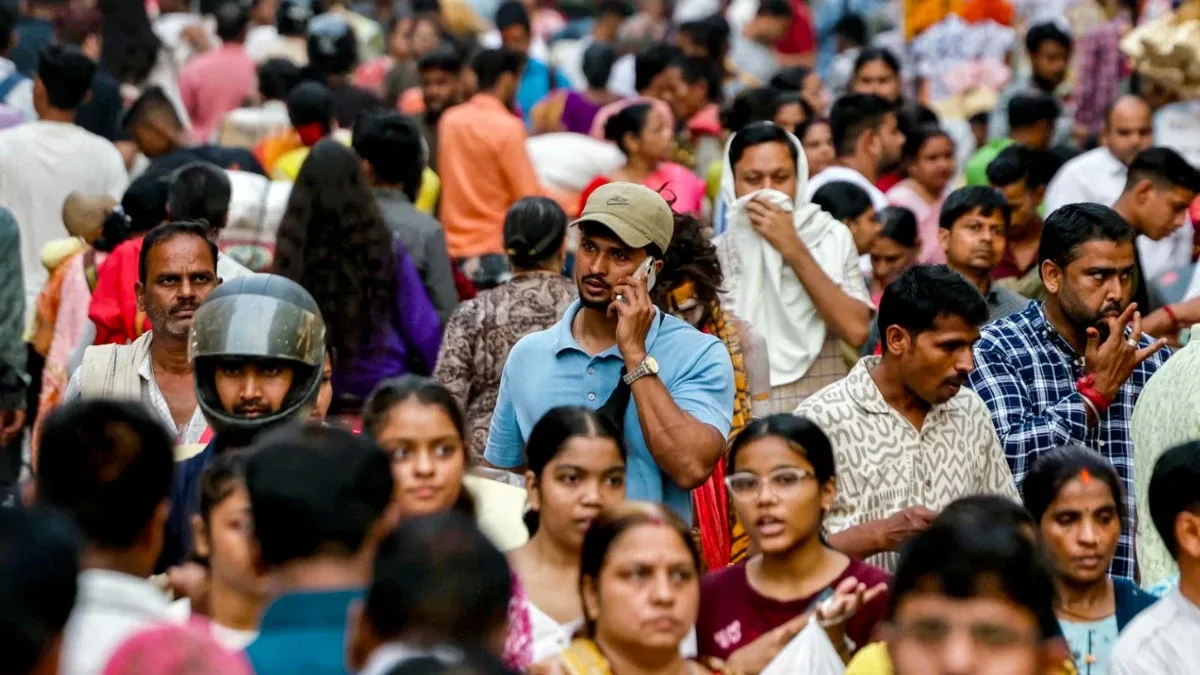
Islam's population projected to reach 2.57 billion by 2035, surpassing Christianity.
Muslim women are expected to give birth to more babies than women of other faiths.
The U.S. may lose its Christian majority by 2065, with a rise in religiously unaffiliated individuals.
According to a recent report by the Pew Research Center, Islam is set to become the largest religion globally by 2035, overtaking Christianity. The study highlights that the primary driver of this demographic shift is higher fertility rates among Muslims rather than religious conversions. Currently, the global population of Muslims is projected to grow significantly faster than that of Christians, with estimates indicating that by 2035, there will be approximately 2.57 billion Muslims compared to 2.52 billion Christians.
The report outlines that between 2020 and 2025, Muslim women are expected to have an average of 3.1 children, while Christian women will have 2.5. This trend is crucial as it underscores the demographic changes that are influencing religious populations worldwide. Pew's projections reveal that while both religions are growing, the Muslim population's rate of increase is markedly higher, which will contribute to the anticipated shift in religious demographics.
Pew's analysis also indicates that the U.S. will see a decline in its Christian majority, with projections suggesting that by 2065, Christians will make up less than 50% of the population. This decline is partially attributed to a growing number of individuals identifying as having no religious affiliation. In Canada, a similar trend is expected, with Christians projected to fall below 50% by 2030. These shifts reflect broader societal changes regarding religious identity and affiliation in North America.
The implications of these demographic changes are significant, particularly in regions where both Muslims and Christians are prevalent. The report notes that most of the global population growth is anticipated to occur in Africa, where both religious groups are expected to thrive. By 2070, more than half of the world's Christians are projected to reside in sub-Saharan Africa, indicating a major shift in the geographic distribution of religious populations.
Looking ahead, the Pew Research Center's findings suggest that the growth of Islam will continue to outpace Christianity, with both religions expected to expand through 2070. However, the report cautions against interpreting these trends as a conflict between faiths. Experts emphasize the importance of interreligious dialogue and understanding in light of these changing demographics, advocating for greater education and personal connections across religious divides.