Over 500,000 Protesters Take to Streets in France on October 17
France witnesses widespread protests marked by violence and significant property damage.
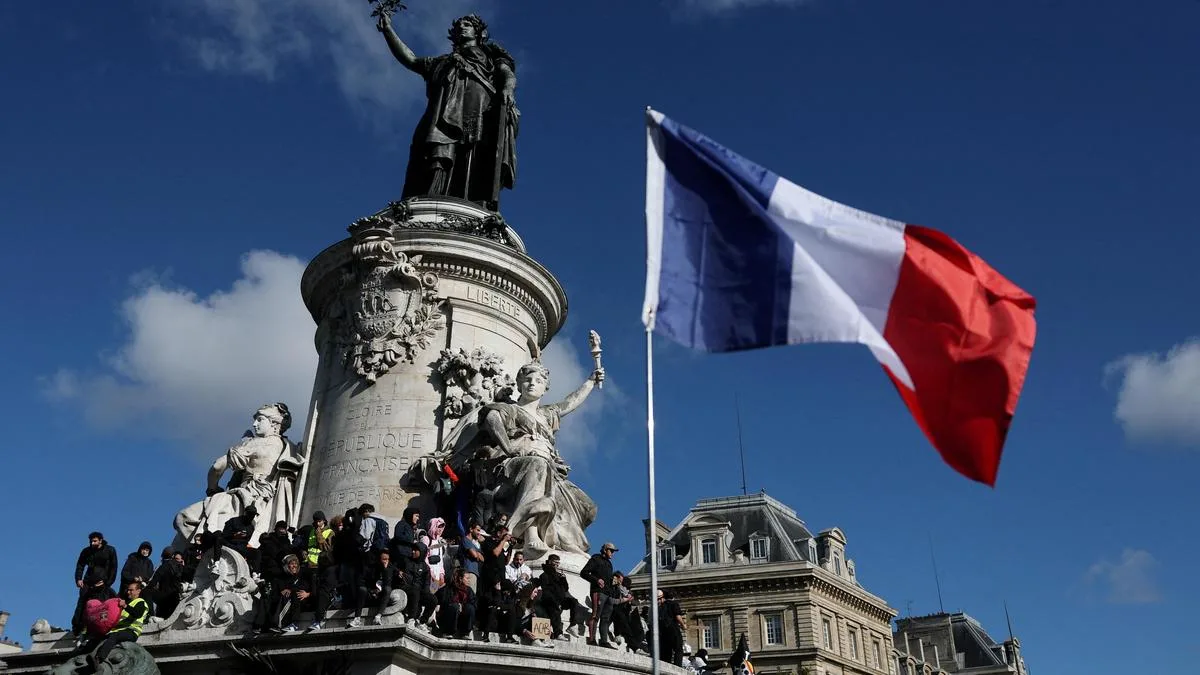
More than 500,000 people protested across France on October 17.
Violence erupted in several cities, leading to extensive property damage.
Authorities arrested over 6,000 individuals, including many minors.
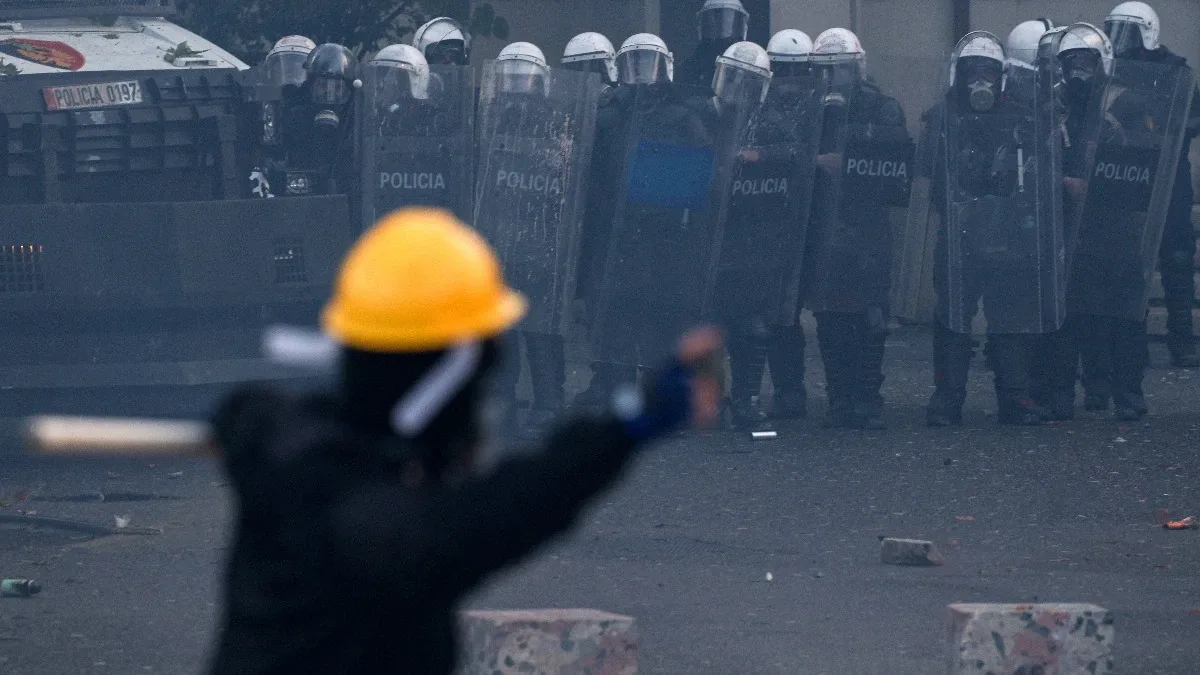
On October 17, France experienced a massive wave of protests, with over half a million individuals participating nationwide. The demonstrations, initially peaceful, quickly escalated into violence in various locations, prompting a significant police response. Riot police were deployed extensively as protesters clashed with law enforcement, particularly in urban centers like Paris, Marseille, and Lyon.
The unrest saw alarming incidents, including the burning of the Lyon tourist office and the destruction of Limoges City Hall, a historic site. In Marseille, protesters stormed the town hall, while in Bordeaux, the prefect's residence was attacked. In Paris, clashes at Place de la Republique resulted in vehicles being set ablaze and shops being looted, with luxury brands such as Louis Vuitton and Dior suffering substantial losses due to vandalism.
In response to the chaos, police arrested or detained over 6,000 individuals, with a notable number being minors. The authorities struggled to maintain order, leading several cities to implement full or partial curfews to protect public safety and property. Government officials attributed the unrest to “seditionists from far-left fringe groups,” specifically targeting the left-wing party La France Insoumise (LFI), led by Jean-Luc Melenchon, accusing it of inciting the protests for political gain ahead of the 2027 presidential elections.
The implications of these protests extend beyond immediate property damage, as they reflect deep-seated discontent with the current administration. The violence and unrest have raised concerns about public safety and the effectiveness of law enforcement, prompting discussions about the political landscape in France as the country approaches a critical election period.
Looking ahead, the government is likely to face increased pressure to address the underlying issues fueling these protests. With the presidential elections set for April 2027, the administration must navigate the growing unrest while attempting to restore public confidence and security in the face of escalating tensions.