New Visa Rules Could Disrupt Work for Indian Spouses in the US
Recent immigration policy changes by the Trump administration may adversely affect thousands of Indian professionals and their families.
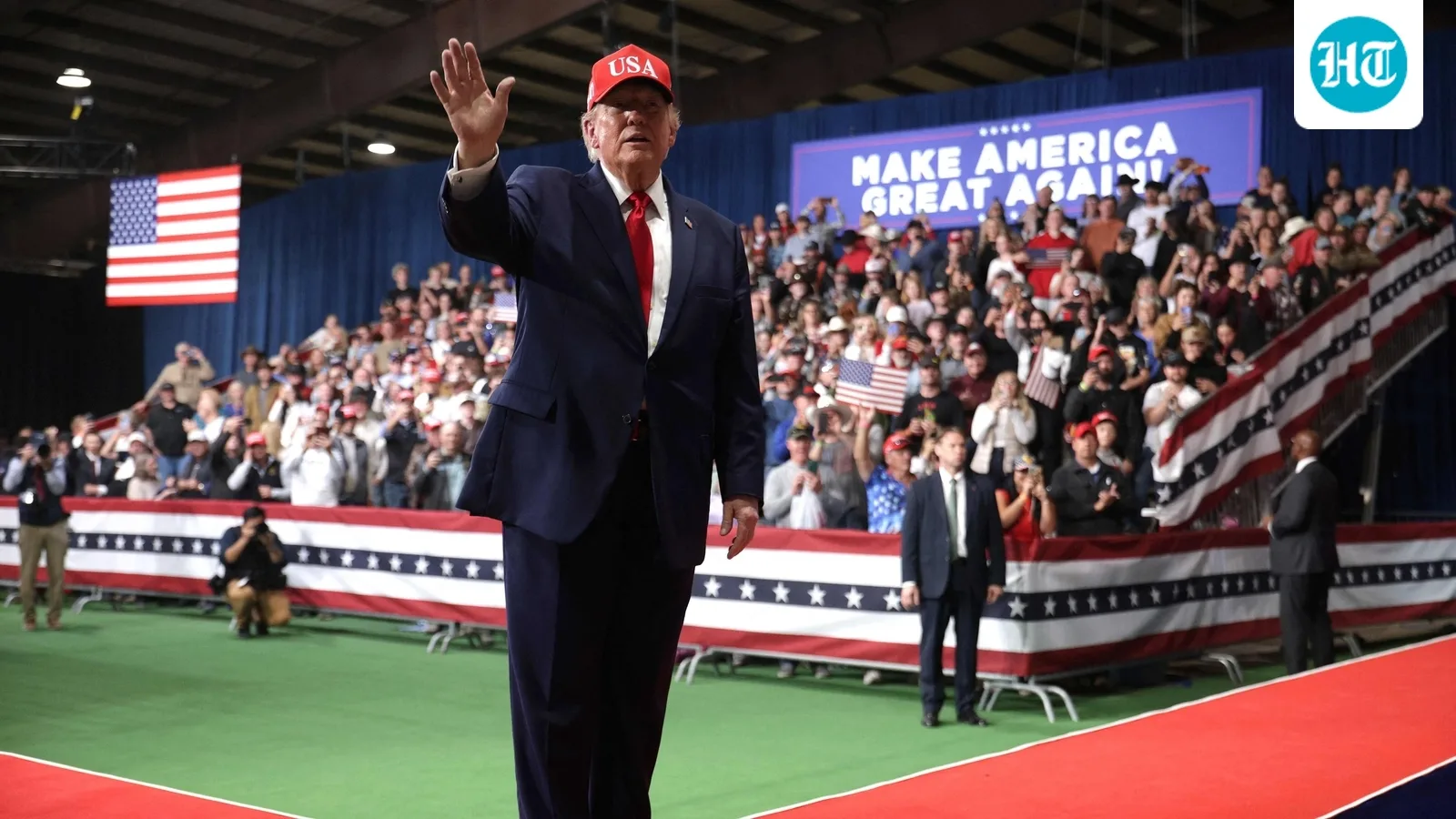
Trump administration ends automatic work permit extensions for H-1B spouses.
New scrutiny on visa extensions could lead to increased delays and rejections.
Estimated $450 million loss in productivity for US employers over 18 months.
The Trump administration has introduced new immigration regulations that could significantly impact the ability of many foreign professionals, particularly Indians, to work in the United States. The changes, which include the elimination of automatic extensions for Employment Authorization Documents (EADs) and increased scrutiny on visa renewals, were announced in recent days and are set to take effect immediately.
Historically, foreign nationals, including spouses of H-1B visa holders, could continue working for up to 540 days while their work permit renewal applications were processed. However, under the new policy, individuals whose work permits expire during the renewal process will be required to cease work until their new permits are issued. This change, which has been made permanent after a temporary implementation, poses a risk of income loss for many families who rely on dual incomes.
In addition to the EAD rule, the Trump administration is proposing to eliminate the policy of “deference” to previous visa approvals. This means that immigration officials will no longer automatically approve extension applications for individuals who have not changed employers or job roles. For instance, an Indian professional applying for a three-year extension of their H-1B visa may now face a more rigorous review process, leading to potential delays and higher rejection rates. Immigration services firm Fragomen estimates that around 200,000 extension petitions annually could be affected by this change.
The implications of these regulations extend beyond individual hardships. The Department of Homeland Security (DHS) predicts that the new rules could cost US employers approximately $450 million in lost productivity and employee turnover over the next 18 months. Additionally, the changes may result in a loss of $14.5 million in payroll taxes, further impacting the economy. Critics argue that these policies could disproportionately affect Indian families who have adhered to immigration laws, creating unnecessary financial strain.
The Trump administration has defended these measures by citing security concerns, claiming that automatic extensions could pose risks by allowing individuals with questionable backgrounds to remain employed. However, many stakeholders have voiced their concerns, arguing that the policies could lead to unjust hardships for law-abiding immigrants. As these regulations take effect, the full impact on the immigrant community and the broader US economy remains to be seen, with many awaiting further guidance from immigration authorities.