New Rule Eliminates 60-Day Grace Period for H-1B Visa Holders
The Trump administration's proposed changes will require H-1B visa holders to leave the U.S. immediately after job loss.
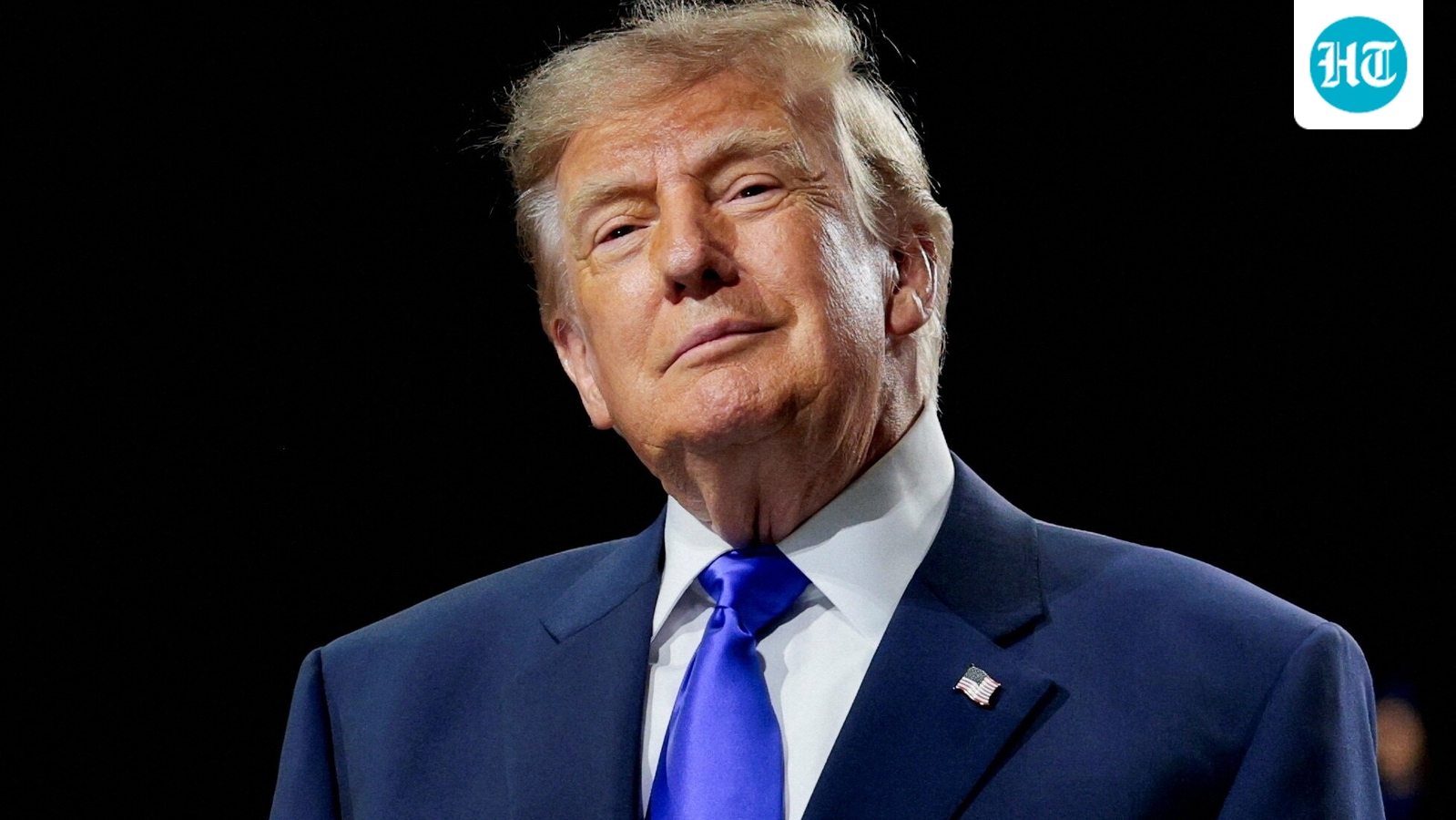
H-1B visa holders will no longer have a 60-day grace period after losing their jobs.
The proposed rule aims to tie visa status directly to employment, impacting many foreign workers.
This change could significantly affect U.S. tech companies that rely on foreign talent.
The Trump administration has proposed a significant change to the regulations governing H-1B visa holders, eliminating the 60-day grace period that currently allows foreign workers time to secure new employment after losing their jobs. Under the new rule, individuals holding H-1B and other temporary work visas would be required to leave the United States immediately upon termination of their employment.
This proposed regulation comes from the U.S. Department of Homeland Security (DHS) and is part of a broader effort to tighten immigration policies. The DHS argues that the change will create a direct link between a visa holder's non-immigrant status and their specific employment, thereby reducing administrative burdens associated with managing visa statuses. This move is expected to have a profound impact on Indian professionals and other foreign workers, who will now face immediate departure from the U.S. job market.
According to the DHS, while the proposed rule may affect companies that rely on foreign labor, it is anticipated that these jobs could be filled by American workers. The DHS statement indicated that employers would either offer the same positions to equally qualified U.S. citizens or navigate the I-129 petition process to hire foreign workers again. This shift is part of a series of measures aimed at limiting legal immigration since Trump took office in January 2025.
The elimination of the grace period, established in 2017, has allowed foreign workers to find new employment or manage personal affairs before departing the country. This policy change is likely to create uncertainty for many foreign professionals, particularly in the tech industry, which has historically depended on skilled labor from abroad. The immediate consequence could be a reduction in the availability of talent for U.S. companies, potentially stifling innovation and growth in key sectors.
Looking ahead, the proposed rule is still subject to public comment and review before it is finalized. Stakeholders, including tech companies and immigration advocates, are expected to voice their concerns about the implications of this change. As the situation develops, it will be crucial to monitor how these regulations will affect both the workforce and the broader economy in the United States.