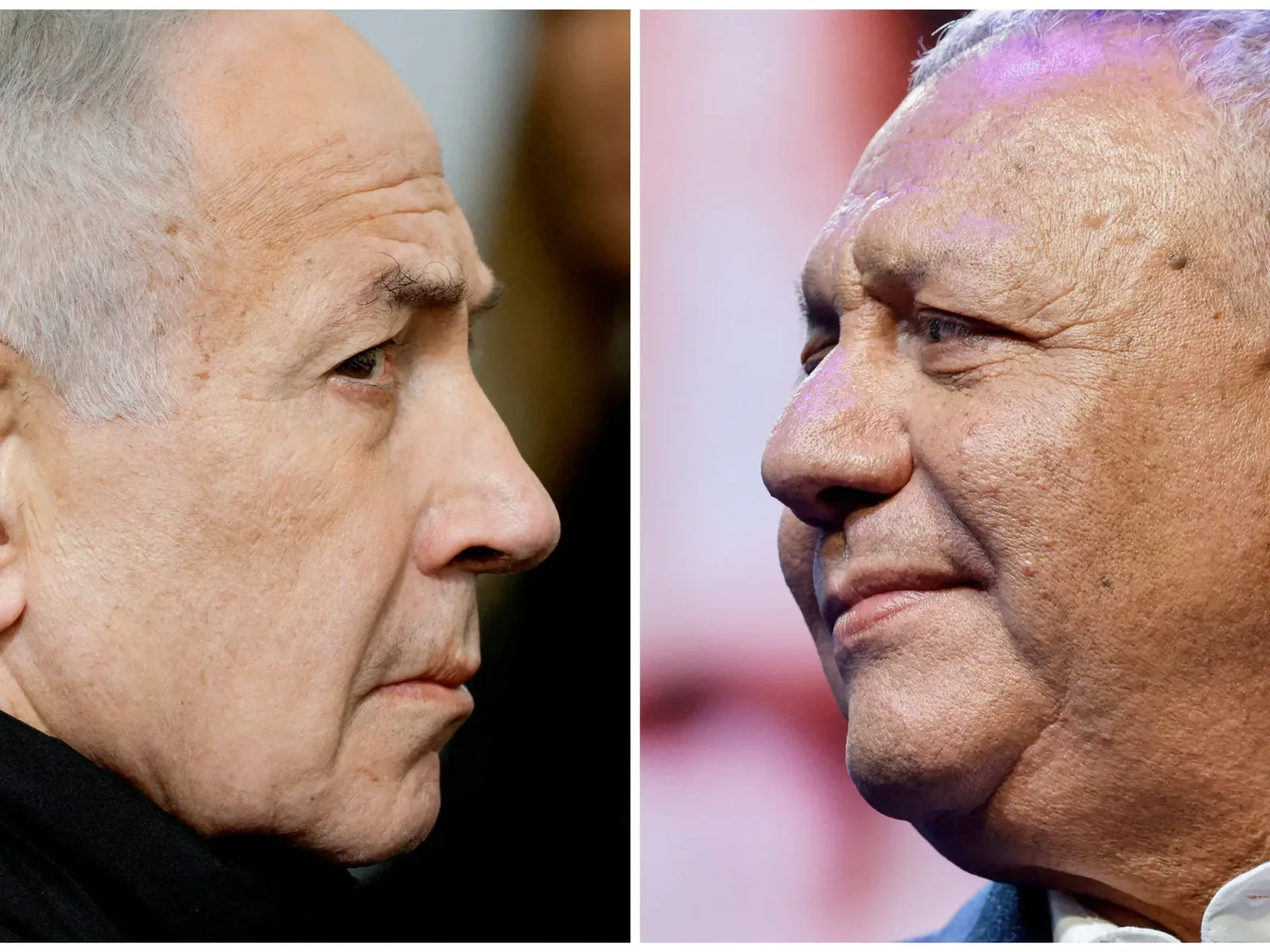
Netanyahu's Bloc Leads Israeli Elections with 56 Seats Counted
As partial results emerge, Netanyahu's coalition holds a slight edge over Eisenkot's bloc amid high voter turnout.
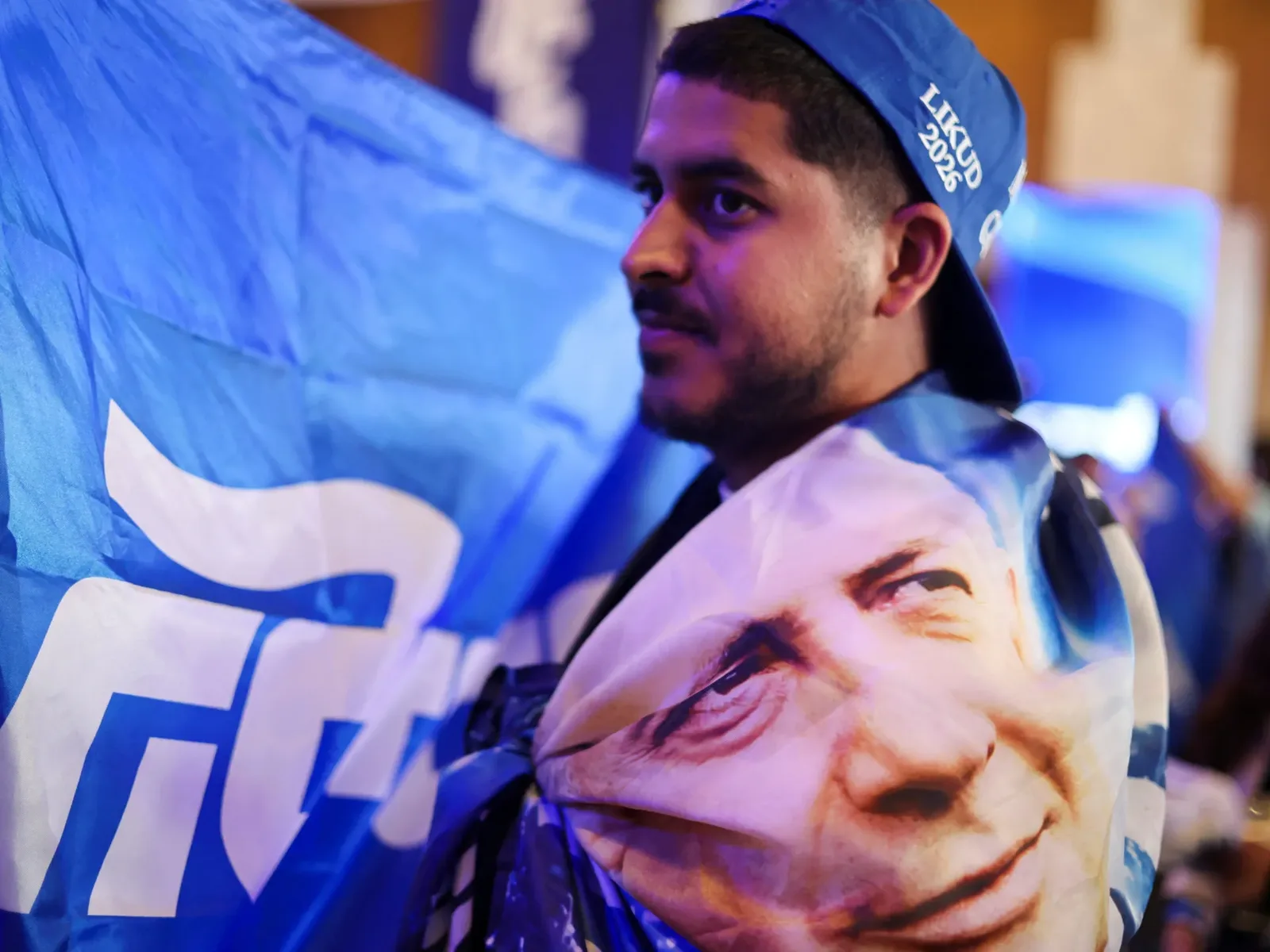
Netanyahu's bloc leads with 56 Knesset seats, while Eisenkot's alliance has 49.
Voter turnout reached 77.7%, the highest since 1999.
Coalition negotiations will begin as no party achieved a majority.
In the latest developments from Israel's parliamentary elections, Prime Minister Benjamin Netanyahu's coalition is currently leading with 56 seats in the Knesset, based on 55% of the votes counted. His main opponent, Gadi Eisenkot, trails with 49 seats, indicating a tightly contested race with no clear majority in sight.
The elections, held on October 28, 2026, are viewed as a referendum on Netanyahu's leadership, particularly following the Hamas-led attacks earlier this month and the ongoing conflict in Gaza. The political landscape has been further complicated by rising tensions in the West Bank and Israel's relations with neighboring countries, making this election pivotal in shaping the nation's future.
According to exit polls from major Israeli networks, Netanyahu's Likud party is projected to secure around 27 seats, while Eisenkot's Yashar party is estimated to win 21. The Arab parties are also expected to gain ground, with projections indicating they could collectively win 19 seats, a significant increase from their previous representation. These results highlight the fragmented nature of Israeli politics, where no single party has ever achieved the 61-seat majority required to form a government independently.
The high voter turnout of 77.7% marks a notable increase from previous elections, reflecting the public's engagement in this critical political moment. This turnout includes over 68% participation among military personnel and a significant number of Israelis returning from abroad to cast their votes. The Central Elections Committee has stated that polling stations remained open for anyone in line at closing time, ensuring that all eligible voters had the opportunity to participate.
Looking ahead, the next steps involve coalition negotiations as parties seek to form a government. With neither Netanyahu nor Eisenkot able to secure a majority without the support of Arab parties, the path to governance remains uncertain. President Isaac Herzog will consult with party leaders to identify a candidate capable of forming a coalition, who will then have up to 42 days to establish a government. If negotiations fail, Israel may face the prospect of new elections, with the final vote count expected by Friday and official results to be published on November 4.