Netanyahu and Eisenkot Discuss Unity Government Amid Political Stalemate
Israeli leaders Netanyahu and Eisenkot engage in talks to explore the formation of a unity government following inconclusive elections.
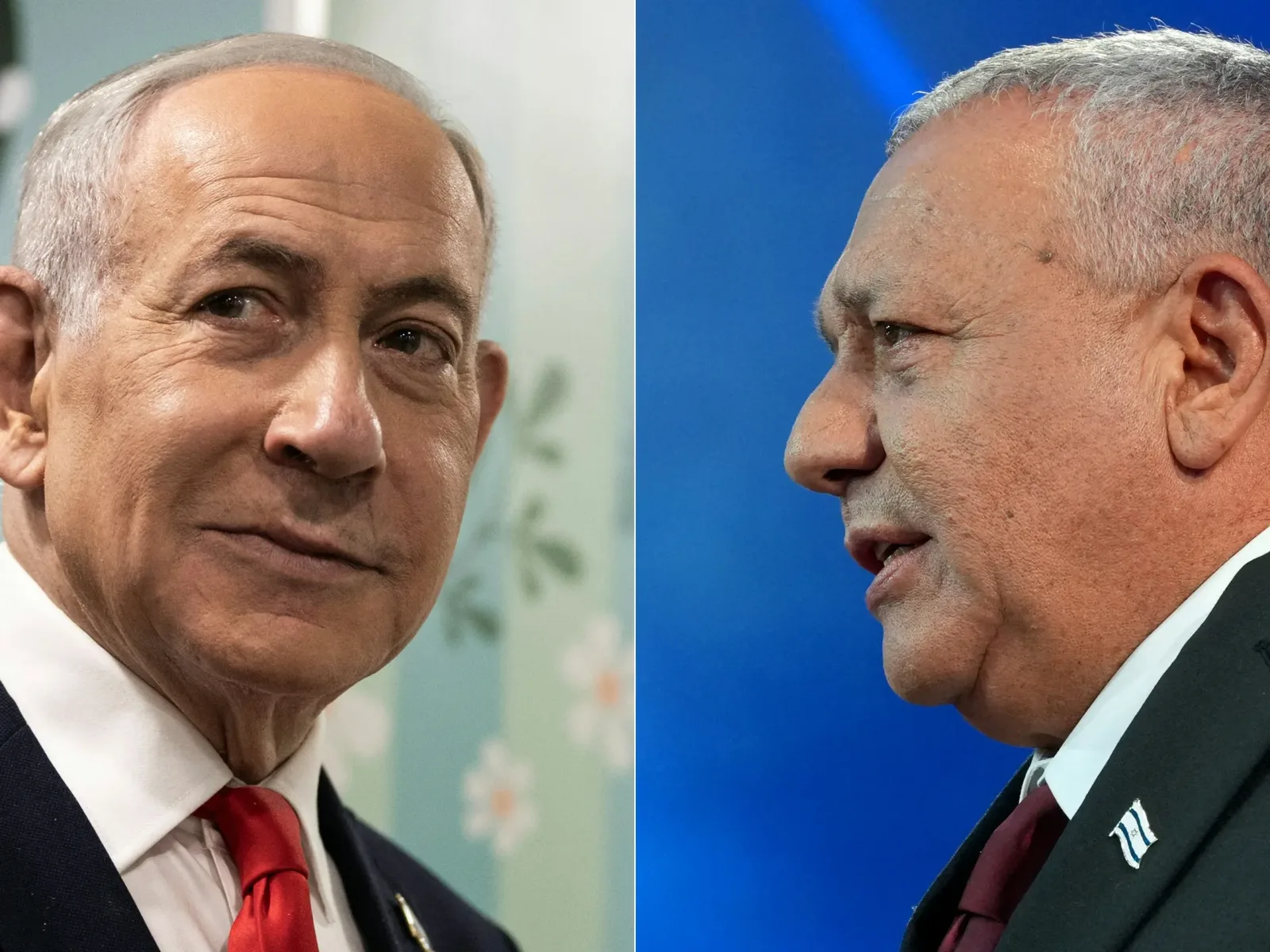
Netanyahu and Eisenkot met to discuss a potential unity government after the October 27 elections.
Eisenkot has until December 6 to form a government, with significant hurdles remaining.
Opposition parties express skepticism regarding Netanyahu's intentions and the proposed power-sharing arrangement.
Israeli caretaker Prime Minister Benjamin Netanyahu and his political rival Gadi Eisenkot convened on Sunday at the military headquarters in Tel Aviv to discuss the possibility of establishing a unity government. This meeting follows the inconclusive parliamentary elections held on October 27, which left both political blocs without a clear majority to form a government. The discussions come at a critical time, as Eisenkot, tasked by President Isaac Herzog to form a government, faces a deadline of December 6 to secure a parliamentary majority.
The backdrop of these negotiations is marked by significant political tension and division. The elections resulted in no political bloc gaining a decisive advantage, complicating efforts to form a stable government. Eisenkot has ruled out seeking an extension beyond the December 6 deadline, despite the option to request an additional 14 days. The inclusion of parties representing Palestinian citizens of Israel and ultra-Orthodox factions has emerged as a contentious issue, further complicating coalition-building efforts aimed at ending Netanyahu's long-standing rule.
During the meeting, Netanyahu proposed a power-sharing agreement that would allow Eisenkot to serve as prime minister first, with Netanyahu taking over later. This offer was framed as a necessary compromise due to the prevailing security threats facing Israel. However, Eisenkot expressed skepticism about Netanyahu's commitment to genuine unity, indicating that he would assess Netanyahu's seriousness over the next 24 hours. The former army chief has accused Netanyahu of intentionally prolonging negotiations to trigger another election, which would allow him to maintain his position as caretaker prime minister.
The implications of these discussions extend beyond the immediate political landscape, as they reflect broader societal divisions within Israel. Opposition parties have reacted with skepticism, with some accusing Netanyahu of attempting to cling to power. Former Prime Minister Yair Lapid criticized the proposal as a deceptive tactic, while leaders of the Arab-majority Joint List have called for the removal of Netanyahu, emphasizing the need for a government that reflects the will of the electorate.
Looking ahead, the path to a coalition remains fraught with challenges. Eisenkot's Yashar party has secured preliminary agreements with other parties, but they still fall short of a parliamentary majority. Key issues, including military conscription exemptions for ultra-Orthodox students, remain unresolved. As negotiations continue, the exclusion of Palestinian parties from the coalition discussions raises questions about the inclusivity of Israeli democracy and the representation of its diverse population.