Modi and Putin to Discuss Critical Minerals Ahead of BRICS Summit
Prime Minister Modi's upcoming meeting with President Putin focuses on enhancing cooperation in critical minerals vital for India's industries.
India aims to diversify its supply of critical minerals, heavily reliant on imports.
Key discussions will include lithium, nickel, and other essential minerals.
The meeting aligns with India's strategy to strengthen its mineral supply chains amid global disruptions.
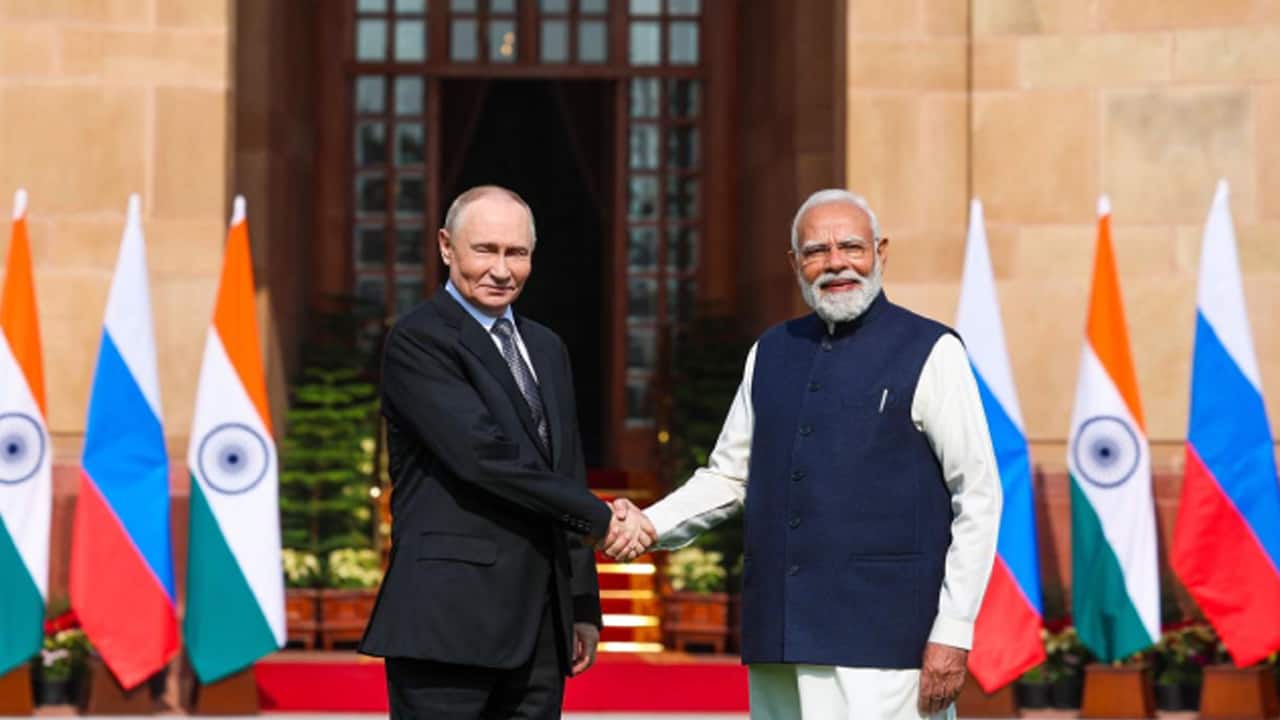
Prime Minister Narendra Modi is set to meet Russian President Vladimir Putin on Friday, just ahead of the BRICS summit in New Delhi. This meeting is expected to prioritize discussions on critical minerals, which are essential for various sectors including electric vehicles and renewable energy. Indian officials have indicated that both nations will explore ways to enhance cooperation throughout the mineral value chain, from sourcing to processing.
The backdrop of this engagement is India's pressing need to reduce its dependency on imported minerals. Currently, India relies entirely on imports for several critical minerals such as lithium and nickel, as highlighted by NITI Aayog's assessments. The country is actively seeking to secure long-term supplies and diversify its sources, making Russia's vast mineral resources particularly appealing.
Mines Secretary Keshav Chandra emphasized the importance of exploring opportunities across the entire value chain, which includes not just sourcing but also processing and integrating these minerals into downstream industries. The discussions are expected to cover a range of minerals, including lithium, nickel, and molybdenum, which are crucial for advanced manufacturing and technology sectors.
The geopolitical landscape, particularly the ongoing Russia-Ukraine conflict, has underscored the vulnerabilities associated with relying on concentrated global supply chains. In response, India has initiated the National Critical Mineral Mission (NCMM), which aims to bolster domestic capabilities in mineral exploration and processing. This seven-year mission, with a budget of Rs 16,300 crore, seeks to mitigate supply risks and enhance self-sufficiency.
Looking ahead, the outcomes of the Modi-Putin talks could significantly influence India's mineral strategy and its position within the BRICS framework. As India chairs the BRICS summit, the focus on resilient supply chains and multilateral cooperation will be paramount. The discussions with Russia could pave the way for deeper partnerships in critical minerals, aligning with broader goals of enhancing trade and investment among BRICS nations.