Marco Rubio's Upcoming Mumbai Visit Sparks Political Controversy in India
US Secretary of State Marco Rubio's decision to skip New Delhi during his visit to India has raised eyebrows and sparked criticism from opposition leaders.
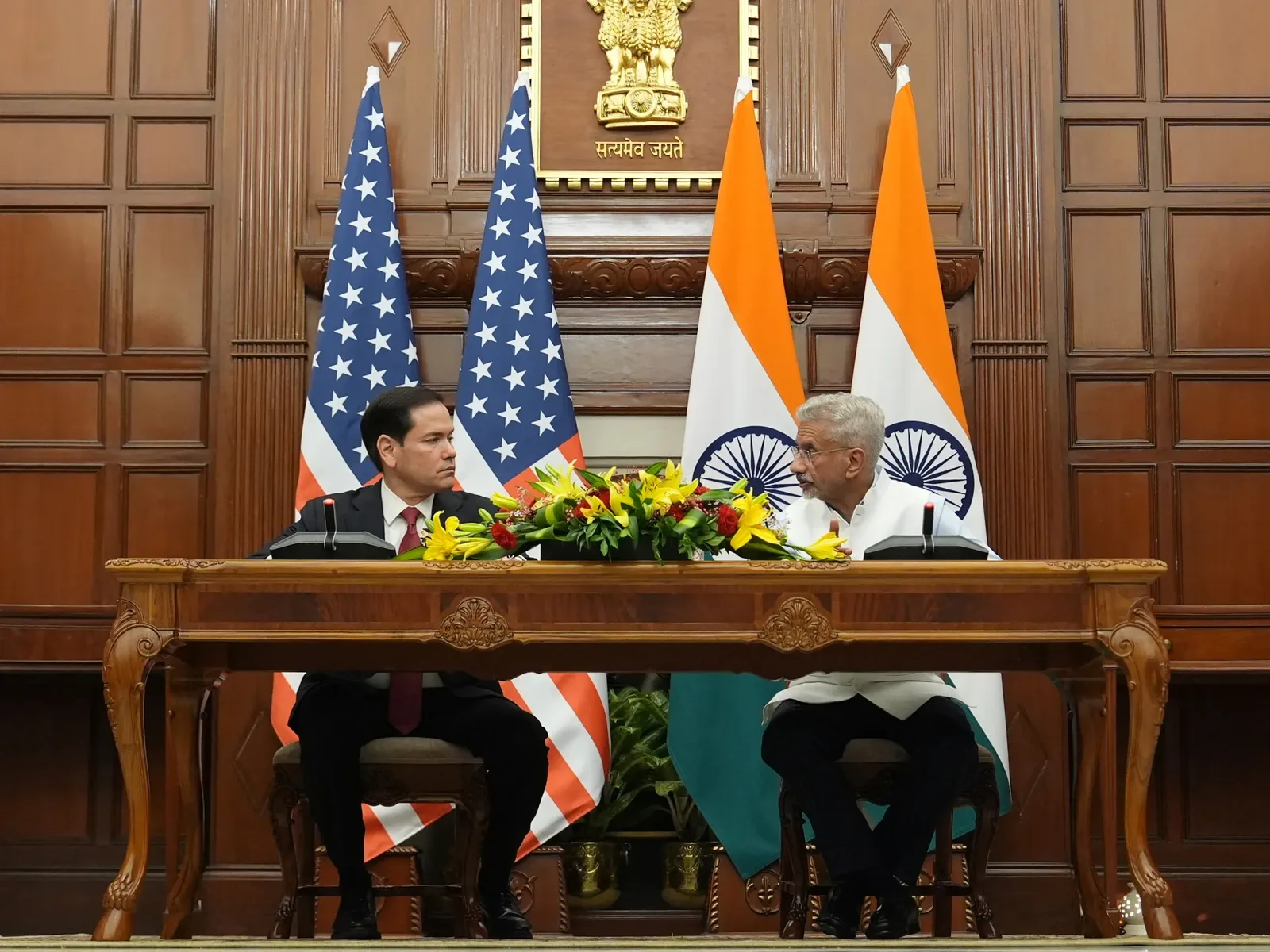
Rubio will meet Indian officials in Mumbai, avoiding New Delhi.
The visit is focused on trade, energy, and investment discussions.
Political backlash arises over perceived diplomatic snubs.
United States Secretary of State Marco Rubio is set to visit India next week, with plans to engage in discussions primarily in Mumbai rather than the capital, New Delhi. This decision has triggered a political uproar, particularly among opposition leaders who view the arrangements as a slight to India's diplomatic stature. Rubio is scheduled to meet with Indian External Affairs Minister Subrahmanyam Jaishankar in Mumbai on Monday, followed by a visit to an oil refinery in Jamnagar, Gujarat.
The backdrop of this visit includes heightened tensions in US-India relations, particularly concerning trade policies and India's ongoing purchases of Russian oil. Rubio's itinerary was further complicated by comments from the US ambassador to India, who indicated that Jaishankar was expected to travel to Mumbai for the meeting, leading to accusations from opposition figures that the Indian government was allowing its top diplomat to be 'summoned' on home soil.
Rubio's agenda in India includes discussions on energy cooperation, trade, and investment, as well as meetings with business leaders. The Indian Ministry of External Affairs has confirmed that the talks will encompass critical areas such as defense and emerging technologies. Notably, Rubio's visit to Jamnagar, home to the world's largest single-site refinery operated by Reliance Industries, underscores the importance of energy ties between the two nations.
The absence of an official explanation for Rubio's decision to bypass New Delhi has fueled speculation and criticism. His previous visit to the Indian capital in May for a Quad meeting contrasts sharply with the current itinerary, which some analysts interpret as a sign of deteriorating diplomatic relations. The US has faced criticism for its tariffs on Indian goods and its stance on Russian oil, which has complicated trade negotiations between the two countries.
Looking ahead, the implications of Rubio's visit could resonate beyond immediate diplomatic relations. As the US approaches midterm elections, energy prices remain a pressing issue, and the outcomes of these discussions may influence future economic policies. The political fallout from this visit may also shape public sentiment in India regarding US engagement, particularly in light of recent tensions over trade and foreign policy decisions.