Madhya Pradesh High Court Orders Police to Present Detained Woman
The MP High Court mandates the police to produce a woman detained during her train journey to Delhi for a protest.
The Madhya Pradesh High Court intervened in a case involving a woman detained at Itarsi Junction.
The court has set a returnable date for the police to present the detained woman.
Concerns were raised regarding the woman's safety and treatment while in custody.
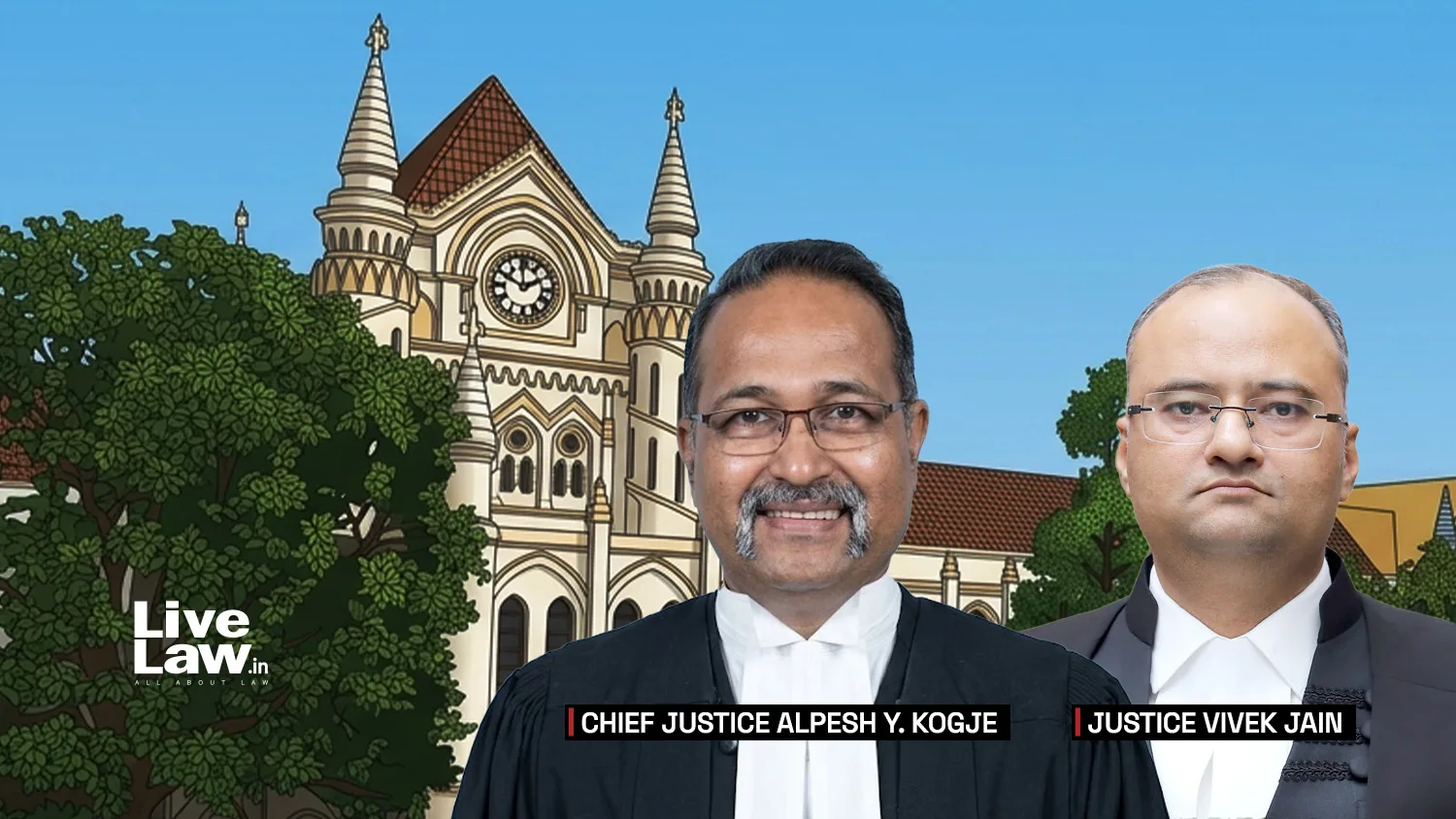
In a significant ruling, the Madhya Pradesh High Court has instructed the police to present a woman who was detained while traveling from Pune to Delhi. The woman was on her way to participate in protests organized by the Citizens for Justice and Peace (CJP) against the Chief Election Commissioner. This directive was issued during a hearing on October 9, 2026, by a division bench comprising Chief Justice Alpesh Y Kogje and Justice Vivek Jain.
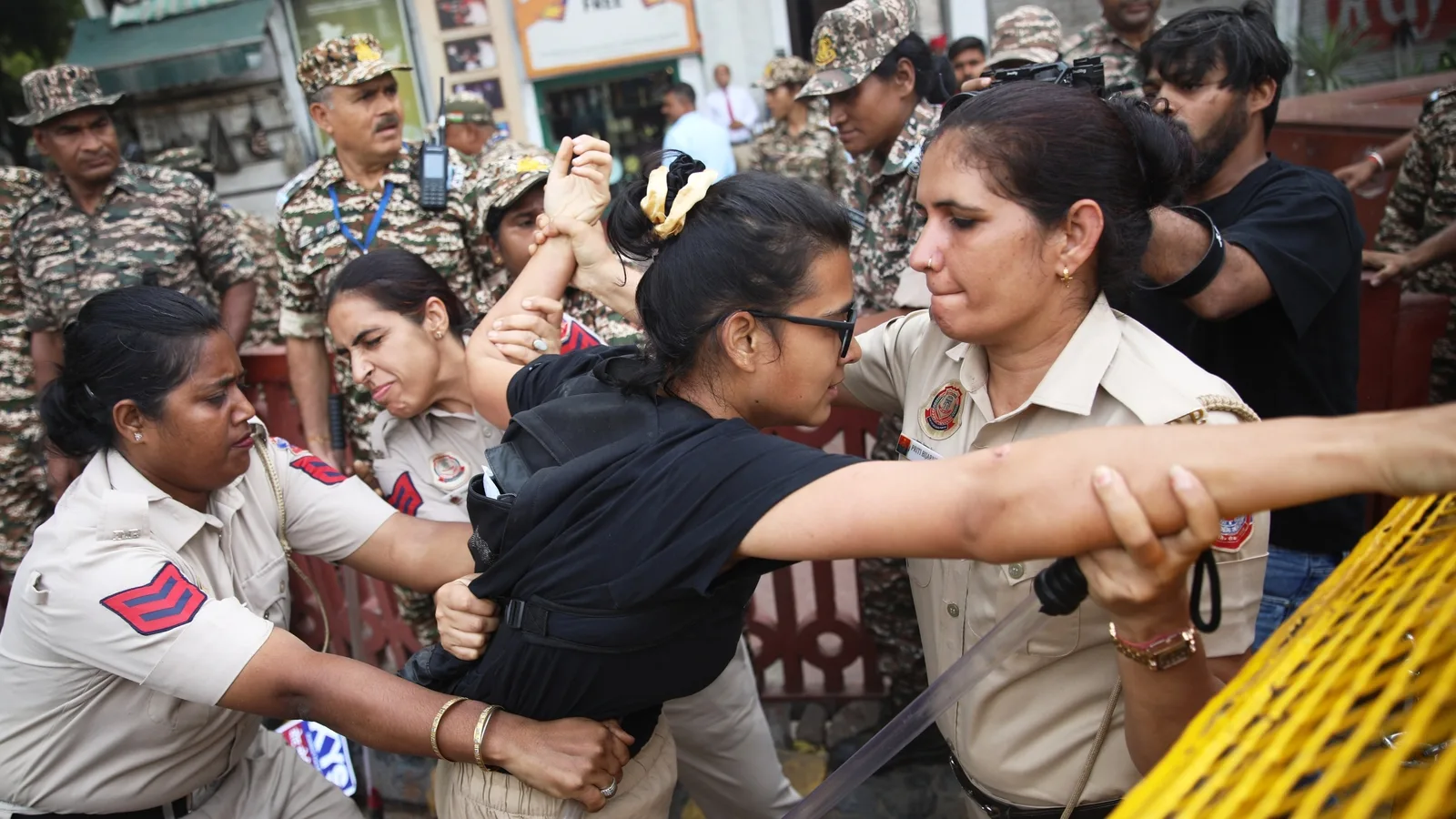
The court's order came after a petition was filed by the woman's sibling, who expressed concerns over her safety and alleged that she had been assaulted by the police. The petition highlighted that the woman had been held in an undisclosed location since October 8, 2026, raising alarms about her well-being and the circumstances surrounding her detention.
During the proceedings, the court emphasized the importance of the woman's safe return to her family, stating that the state could facilitate her return if necessary. The judges issued a notice requiring the police to produce the woman in court by October 13, 2026, and also allowed for the possibility of her being presented earlier, provided the other party was notified in advance.
This case has drawn attention to the broader implications of police actions during protests and the treatment of individuals detained under such circumstances. The court's involvement underscores the judiciary's role in safeguarding individual rights and ensuring accountability in law enforcement practices.
Looking ahead, the upcoming court date on October 13 will be crucial in determining the next steps regarding the woman's situation. The outcome may have significant ramifications not only for her but also for the ongoing discourse surrounding civil liberties and police conduct in India.