Macron's First Meeting with Student Leaders Amid Ongoing Protests
French President Emmanuel Macron is set to engage with high school student representatives as protests escalate over education system reforms.
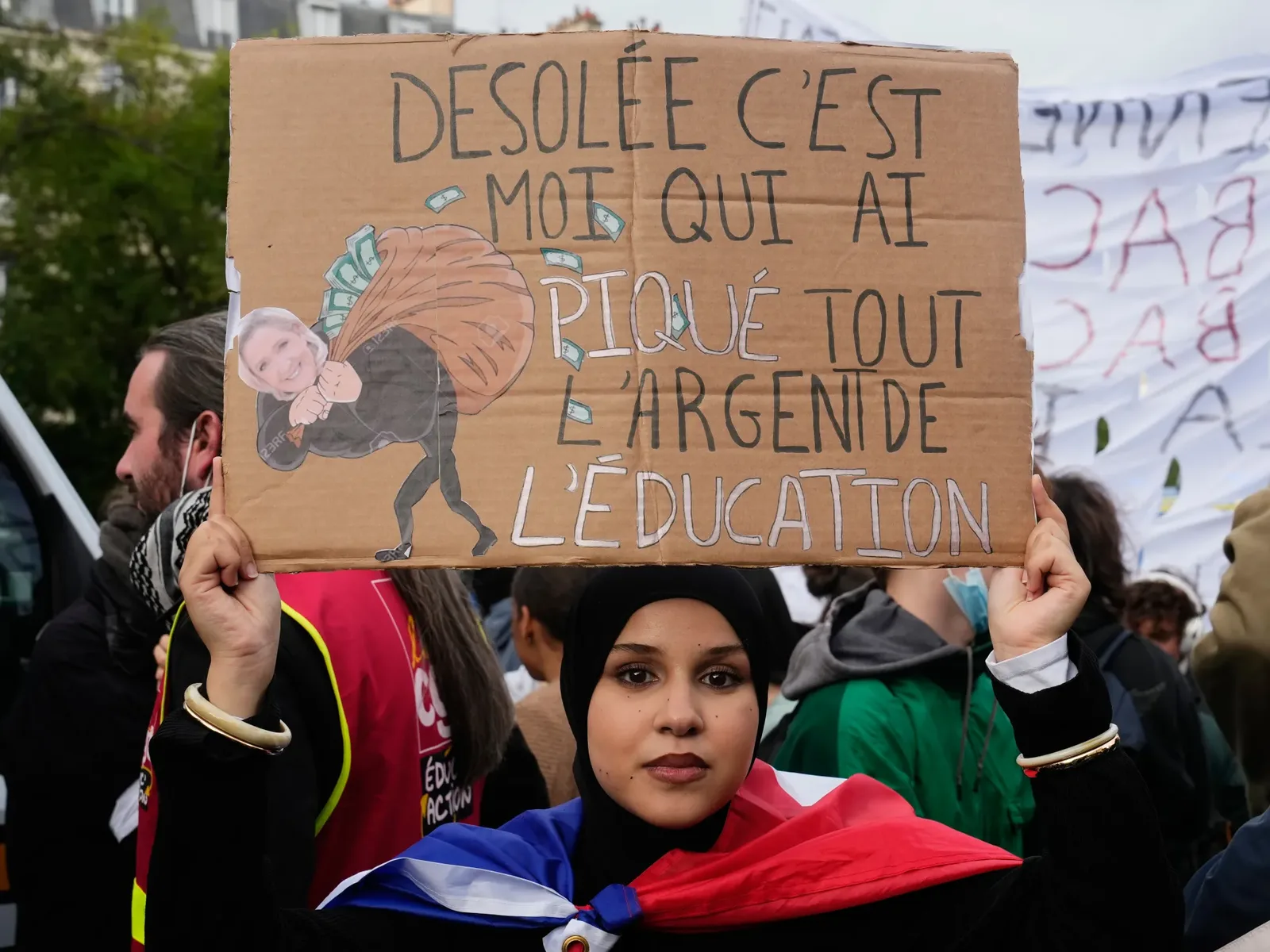
Macron will meet student leaders for the first time on Friday amid rising protests.
Students demand better funding, more teachers, and reforms to the university admissions system.
The government faces financial constraints that complicate addressing student demands.
French President Emmanuel Macron is scheduled to meet with high school student representatives on Friday, marking his first engagement with the groups advocating for significant reforms in the education system. This meeting comes as the country prepares for further protests over the weekend, reflecting the growing unrest among students dissatisfied with current educational conditions.
Since mid-September, students have voiced their frustrations regarding inadequate school funding, teacher shortages, and overcrowded classrooms. Their grievances have sparked a nationwide movement, particularly as France approaches its presidential election in six months. The students have been vocal about their demands for a better educational environment, including improved infrastructure and a more equitable university admissions process.
In response to the escalating situation, the French government has announced an increase in police presence on the streets by 20 percent, and a partial curfew has been implemented in Paris. While the government has pledged to provide 3,000 additional substitute teachers and allocated 1.1 billion euros for national education in its 2027 budget, students argue that these measures fall short of addressing their core issues. They are calling for a comprehensive overhaul of the university admissions system, Parcoursup, which many view as discriminatory.
The implications of these protests extend beyond the immediate demands of the students. With a government already grappling with political deadlock and rising public debt, there are concerns about the ability to meet the financial demands of the education sector. Experts warn that the socio-economic factors driving the protests, including the perception that educational opportunities are tied to family wealth, cannot be resolved through superficial measures alone.
Looking ahead, the upcoming meeting between Macron and student leaders will be crucial in determining the government's approach to these protests. As students continue to organize and call for action, the government must navigate the complex landscape of public sentiment, financial limitations, and the need for meaningful dialogue with the youth of France.