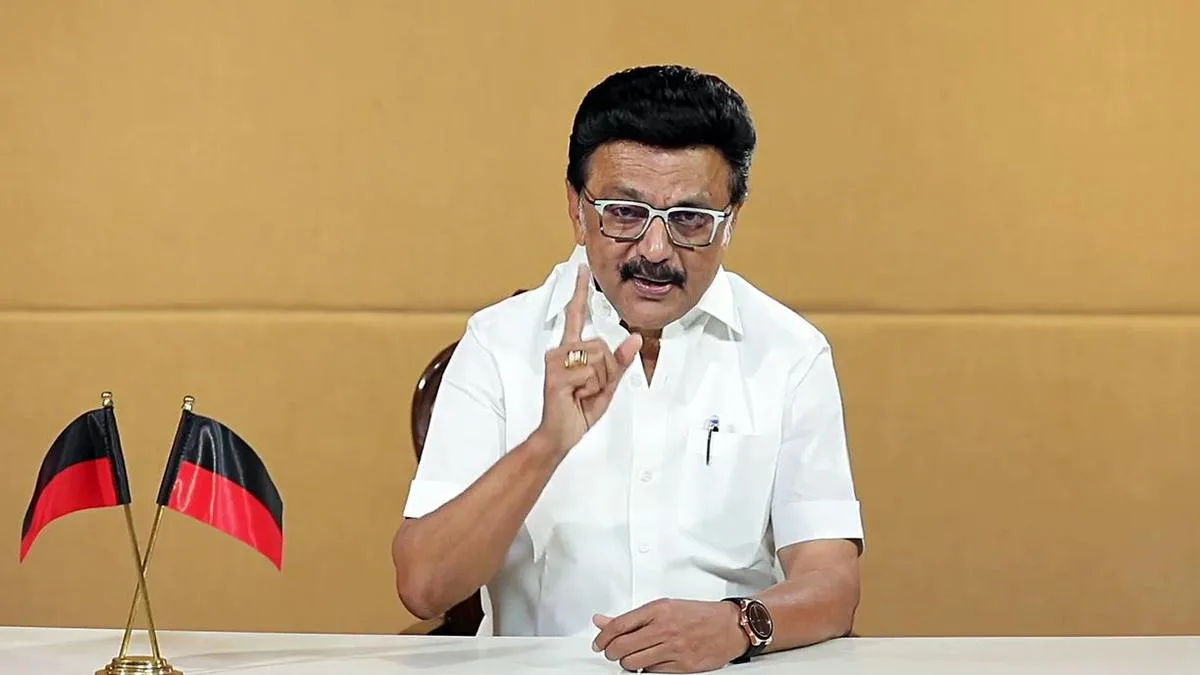
M.K. Stalin Calls for Immediate Release of Detained Activists
DMK leader M.K. Stalin condemns the detention of Abhijeet Dipke and Neha Bora by Delhi Police as illegal.
Abhijeet Dipke and Neha Bora were detained during a protest in Delhi.
M.K. Stalin demands their immediate release, labeling the detention illegal.
The incident raises concerns over the suppression of peaceful protests in India.
On October 16, 2026, Delhi Police detained Abhijeet Dipke, a leader of the Cockroach Janta Party, and Neha Bora, the chief of AISA, as they were heading to Connaught Place to join the ‘Lehra Do Tiranga’ protest. This action has sparked significant political backlash, particularly from DMK president M.K. Stalin, who has publicly condemned the detention as unlawful.
Stalin took to social media platform X to voice his concerns, questioning the whereabouts of the detained activists. He stated, "Detaining them without disclosing their whereabouts is blatantly illegal and deeply inhumane." His remarks highlight the ongoing tensions between the government and various activist groups advocating for peaceful demonstrations in the country.
The detentions occurred amidst a larger protest movement aimed at voicing dissent against the current government's policies. The 'Lehra Do Tiranga' protest was organized to express solidarity and raise awareness about issues affecting citizens. The police's intervention has raised alarms regarding the government's approach to handling dissent and the rights of individuals to assemble peacefully.
This incident has broader implications for civil liberties in India, as it underscores the increasing scrutiny and potential suppression faced by activists. Observers note that such actions may provoke further unrest and mobilization among various groups advocating for social and political change.
Looking ahead, the demand for the immediate release of Dipke and Bora is expected to gain momentum, with protests likely to continue as activists rally against perceived governmental overreach. The situation remains fluid, and further developments are anticipated as the public response unfolds.