Lula's Remarkable Comeback in Brazil's Presidential Race
Luiz Inacio Lula da Silva rallies support after a shaky start in Brazil's presidential elections.

Lula trailed Bolsonaro by 1.8% in the first round of voting.
A significant abstention rate of 21% was recorded, the highest since 1998.
Mass protests against Bolsonarism marked a resurgence of leftist activism.
In the initial phase of Brazil's presidential elections, Luiz Inacio Lula da Silva found himself in a precarious position, trailing Flavio Bolsonaro with 45.2% of the votes compared to Bolsonaro's 47%. This setback was compounded by a notable abstention rate of 21%, the highest seen since 1998, indicating that many of Lula's supporters chose to stay home during the crucial first round.
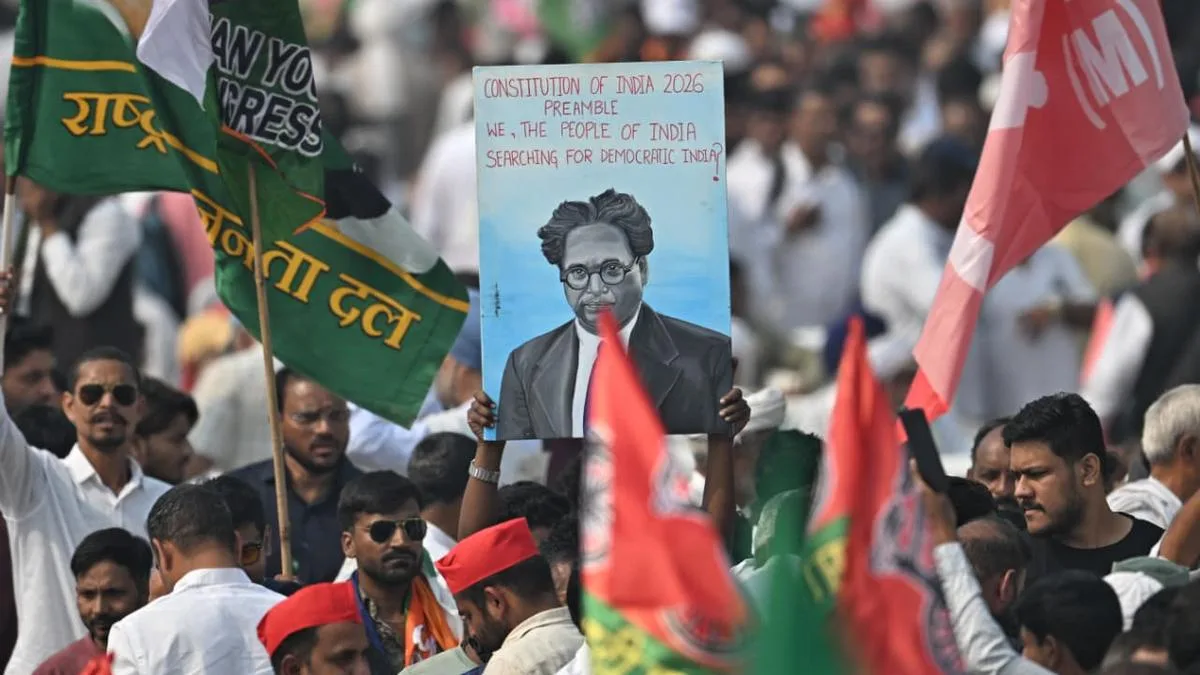
However, the following three weeks witnessed a dramatic shift in momentum for Lula. The day after the first round, a significant demonstration took place, with thousands of students from Fluminense Federal University marching in Niteroi to express their opposition to Bolsonarism. This was just the beginning, as similar protests erupted across urban areas in Brazil, with young people and workers taking to the streets in solidarity.
The protests were characterized by a lack of party affiliation, as participants were more united in their opposition to Bolsonarism—a far-right movement known for its disdain for democratic institutions and aggressive stance on crime—than in their support for Lula himself. The newspaper O Globo noted that these demonstrations represented a significant resurgence of leftist activism in Brazil, which had been largely absent for over a decade.
The implications of these protests extend beyond the electoral landscape, signaling a potential shift in public sentiment and political engagement among the youth and working-class citizens. As Lula's campaign gains traction, the broader political environment in Brazil may be influenced by this renewed activism against far-right ideologies.
Looking ahead, Lula's campaign will likely continue to build on this momentum as he prepares for the next rounds of the election. The upcoming weeks will be critical in determining whether this resurgence of support can translate into a successful bid for the presidency, especially in light of the challenges posed by high abstention rates and the strong presence of Bolsonarism.