Keralam Governor's Vegetarian Ban Ignites Food Purity Debate
Governor Om Prakash Mathur's directive against non-vegetarian cooking in Lok Bhavan has sparked controversy over food politics in Keralam.
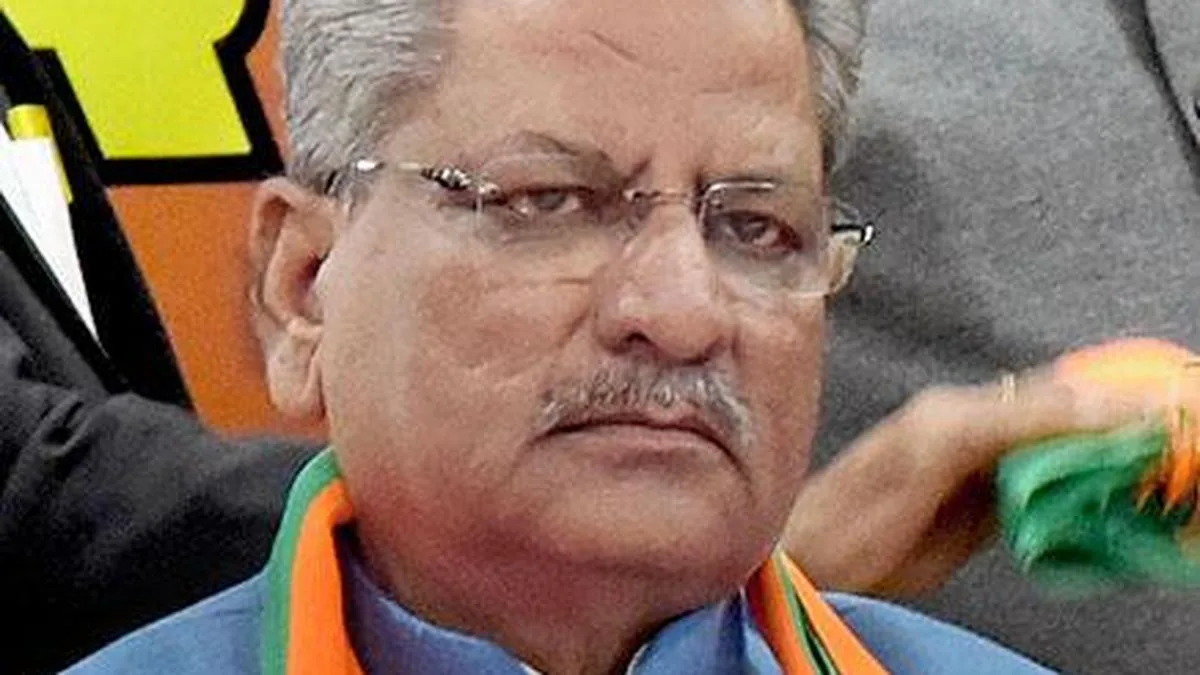
Governor Mathur's ban on non-vegetarian dishes in Lok Bhavan's kitchen has raised eyebrows.
The Congress party claims this move is an attempt to impose a food hierarchy aligned with Hindutva politics.
Critics argue that the directive undermines Keralam's cultural and culinary diversity.
Om Prakash Mathur, recently sworn in as the Governor of Keralam on October 23, 2026, has unintentionally ignited a heated discussion regarding food purity politics within the state. His decision to prohibit the preparation of non-vegetarian meals in the Lok Bhavan kitchen has drawn significant attention and criticism from various quarters.
The ban, according to sources from Lok Bhavan, is limited to the official kitchen and does not prevent staff from bringing their own food. However, the decision has been met with backlash, particularly from the Congress party, which perceives it as an effort to revive a food hierarchy that prioritizes vegetarianism, traditionally associated with certain privileged communities, over the dietary practices of minorities and a substantial portion of Keralam's Hindu population.
K.C. Venugopal, the All India Congress Committee's general secretary, has accused Governor Mathur of politicizing personal dietary choices, suggesting that the directive is a precursor to imposing Hindutva ideology in a state known for its secular and inclusive ethos. He linked the Governor's emphasis on vegetarianism to a broader agenda that marginalizes non-vegetarianism, which he argues is essential to the cultural identity of many Keralites, particularly in a coastal state where fish and meat are dietary staples.
The implications of this directive extend beyond culinary preferences, as critics argue it threatens the rich tapestry of Keralam's cultural and religious diversity. Venugopal highlighted the historical context of food-related violence, referencing the lynching of Mohammad Akhlaq in Uttar Pradesh in 2015, to underscore the potential dangers of associating dietary choices with notions of purity and impurity.
Looking ahead, the political ramifications of Mathur's order remain to be seen. As debates around food politics continue to unfold, the Governor's stance may lead to further discussions on cultural identity and dietary rights in Keralam, potentially influencing future political dynamics in the region.