Kannur Court Labels RSS Convicts 'Quockerwodgers' in Dhanaraj Murder Case
In a significant ruling, a Kannur court describes three convicted RSS members as political puppets, highlighting flaws in police investigations influenced by a CPM leader's testimony.
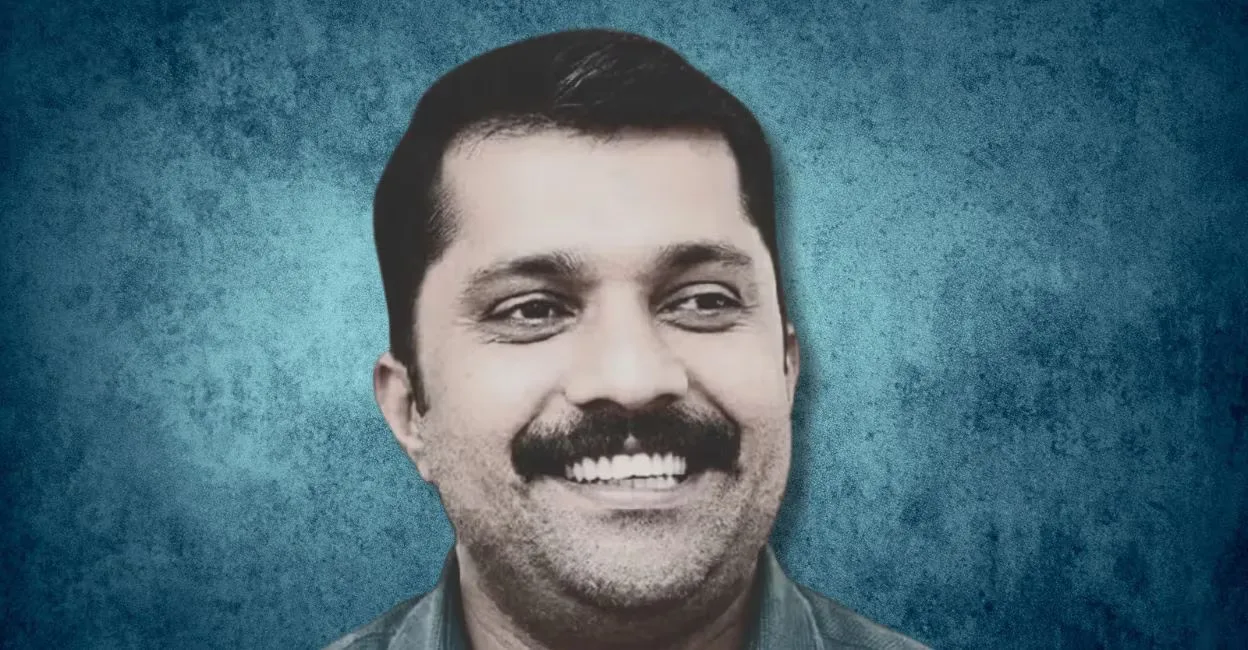
Three RSS members sentenced to life for the 2016 murder of CPM leader C V Dhanaraj.
Court criticizes police reliance on a CPM witness, leading to the acquittal of 16 other accused.
Judge emphasizes the political implications of the murder in Kerala's volatile political landscape.
In a landmark decision, the Additional District and Sessions Judge in Taliparamba, Prasanth K N, has sentenced three members of the Rashtriya Swayamsevak Sangh (RSS) to life imprisonment for the premeditated murder of C V Dhanaraj, a local Communist Party of India (Marxist) leader. The incident, which occurred on July 11, 2016, in Ramanthali, has been described by the judge as a politically motivated act, with the convicts labeled as 'quockerwodgers'—a term denoting political puppets acting under external influence.
The court's ruling emphasized the significant role of a key witness, P P Prajeesh, the CPM branch secretary, whose testimony was deemed unreliable. The judge noted that the police were overly influenced by Prajeesh's statements, which resulted in the acquittal of 16 out of 19 accused individuals. Prajeesh's failure to report the attack on Dhanaraj to party leaders before approaching the police raised doubts about his credibility, leading to a critical examination of his role in the case.
Dhanaraj was brutally attacked, suffering 37 stab wounds, and succumbed to his injuries later that night. The court found that the prosecution's case was weakened by Prajeesh's inconsistent statements and the lack of corroborating evidence regarding the alleged conspiracy behind the murder. The judge also noted that the police's naming of RSS workers as suspects appeared to be politically motivated, reflecting the tensions between the parties involved.
The implications of this case extend beyond the courtroom, as it highlights the ongoing political strife in Kerala. The murder of Dhanaraj and the subsequent violence, including the murder of an RSS activist hours later, underscore the deep-seated rivalries that continue to plague the region. The court's decision has sparked discussions about political accountability and the influence of party politics on judicial processes.
Looking ahead, the defence team plans to appeal the convictions, arguing procedural irregularities in the identification of the accused. The case remains a focal point in Kerala's political discourse, with potential ramifications for the upcoming elections and the broader political landscape in the state. The judge's remarks on the human cost of political violence resonate deeply, as the community grapples with the aftermath of this tragic event.