Justice Kaul Reveals Pressure from CJI Chandrachud on PMLA Case
In a recent interview, Justice Sanjay Kishan Kaul disclosed that CJI DY Chandrachud suggested a 'middle path' in the PMLA case amidst pressures regarding judicial appointments.
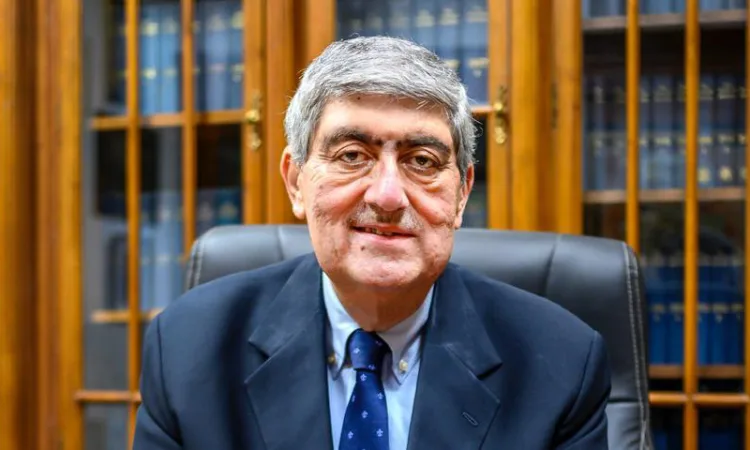
Justice Kaul faced pressure to shift judicial appointments from his bench.
CJI Chandrachud advised a cautious approach in the PMLA case.
The matter of judicial appointments was removed from Kaul's bench unexpectedly.
Justice Sanjay Kishan Kaul has publicly shared his experiences regarding pressures he faced during his tenure on the Supreme Court, particularly concerning the Prevention of Money Laundering Act (PMLA) case. In an interview with journalist Karan Thapar, he revealed that Chief Justice of India DY Chandrachud had urged him to adopt a 'middle path' while reconsidering the Supreme Court's judgment on the PMLA, which has significant implications for the enforcement of anti-money laundering laws.
Justice Kaul recounted a specific incident where he was called to the CJI's chambers prior to a scheduled hearing on the PMLA case. During this meeting, CJI Chandrachud suggested that if Justice Kaul chose to proceed with the case, he should do so with caution. However, Kaul emphasized his commitment to integrity, stating that he could not back down from a matter he believed was important, as it would undermine his reputation.
In addition to the PMLA case, Justice Kaul discussed the unexpected withdrawal of a case concerning judicial appointments from his bench. He indicated that he had been advocating for the government to act on pending recommendations for judicial appointments, and the removal of the case from his purview raised concerns about external pressures. He expressed his belief that the CJI may have been influenced by factors beyond his control, though he could not definitively attribute this to government intervention.
The implications of these revelations are significant for the judiciary and the public's perception of judicial independence in India. Justice Kaul's experiences highlight the challenges faced by judges when navigating the intersection of law and politics, particularly in matters that involve government accountability and judicial appointments.
Looking ahead, Justice Kaul's memoir, titled 'Without Fear or Favour,' is set to provide further insights into his judicial career and the complexities of the Indian legal system. As discussions around judicial appointments continue, the judiciary's ability to operate free from external pressures remains a critical issue for the rule of law in India.