Israeli Election Results Leave Herzog with Crucial Decision Ahead
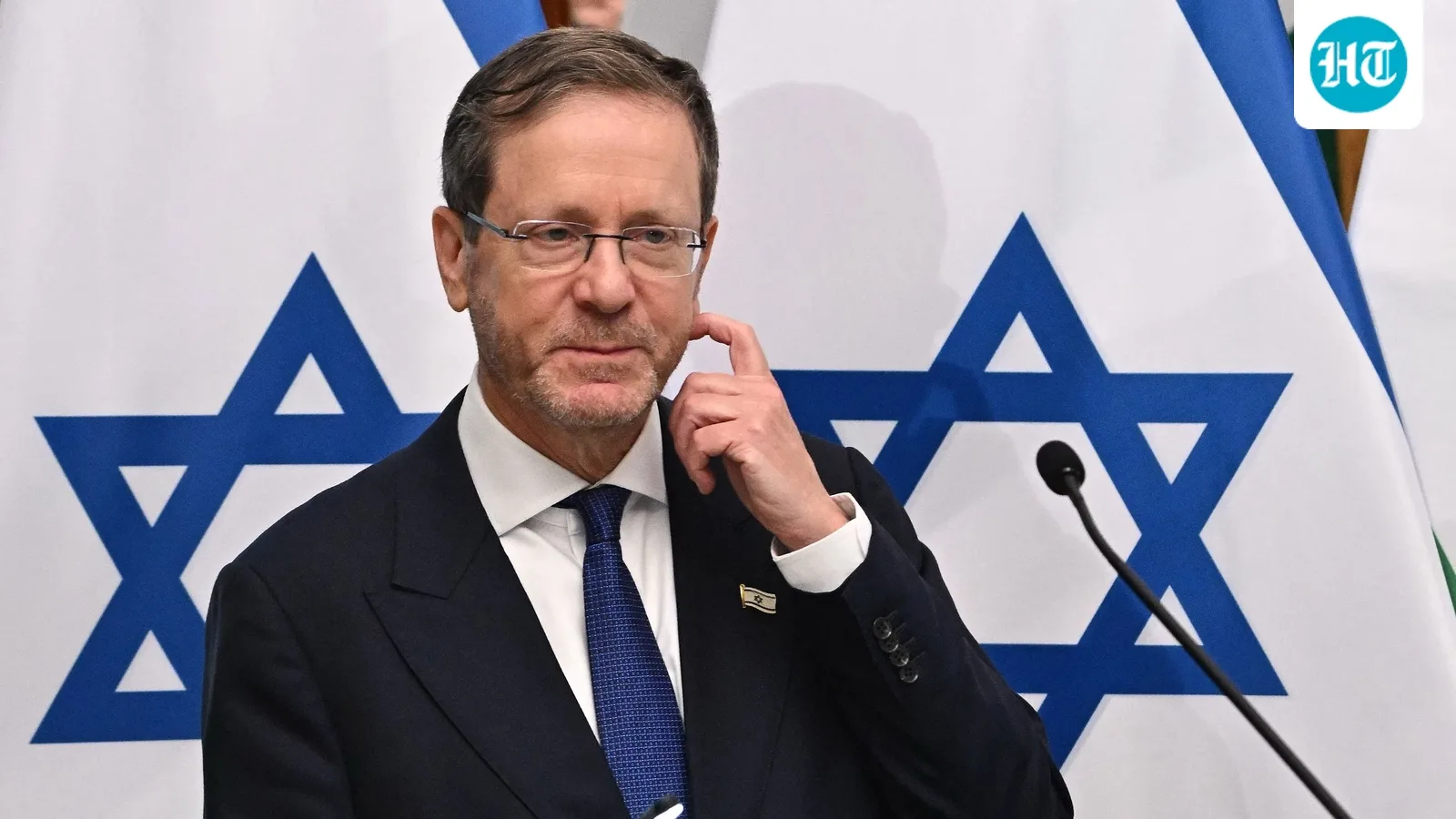
With no party achieving a majority in the recent elections, President Isaac Herzog's role becomes pivotal in determining the next government.
Netanyahu's bloc secured 53 seats, falling short of the 61 needed for a majority.
Opposition leader Gadi Eisenkot's alliance gained 48 seats, while Arab parties captured 19.
President Herzog must consult party leaders before deciding who will attempt to form the next government.
The recent Israeli elections have concluded with no political bloc achieving a majority, placing the focus on President Isaac Herzog as he navigates the next steps in government formation. Prime Minister Benjamin Netanyahu's coalition garnered 53 seats in the 120-member Knesset, a significant drop from the previous parliament's 68 seats. The opposition alliance, led by former military chief Gadi Eisenkot, secured 48 seats, while Arab parties collectively won 19 seats, leaving the parliamentary majority threshold of 61 seats unmet.
This election outcome has created a political impasse, compelling Herzog to play a crucial role in determining the next government. As the president, Herzog is tasked with consulting representatives from the elected parties before deciding who will be given the first opportunity to form a government. The formal announcement of election results is expected by November 4, after which Herzog will initiate consultations with party leaders.
Isaac Herzog, who took office in July 2021, comes from a political lineage and has previously held various ministerial roles. His leadership style is characterized as more reserved compared to his predecessors. Herzog's decisions will be influenced by the recommendations of party leaders, and he is not obligated to select the leader of the party with the most seats. This flexibility allows him to consider who might secure broader support in the Knesset.
The implications of Herzog's decision are significant for Israel's political landscape. With no clear path to a majority government, the potential for a coalition between Eisenkot and the Arab parties could reshape the current political dynamics. Conversely, if Herzog opts to give Netanyahu another chance, it may lead to further political instability if neither can form a government.
Looking ahead, Herzog has expressed a desire to avoid another round of elections, emphasizing the importance of collaboration among party leaders. The next few weeks will be critical as Herzog consults with party representatives and assesses the political landscape, with a decision expected soon on who will lead the efforts to form a new government.