Israel's Pivotal Election on October 27: Netanyahu's Future at Stake
As Israel prepares for elections on October 27, Prime Minister Netanyahu's hold on power faces significant challenges amid coalition negotiations.
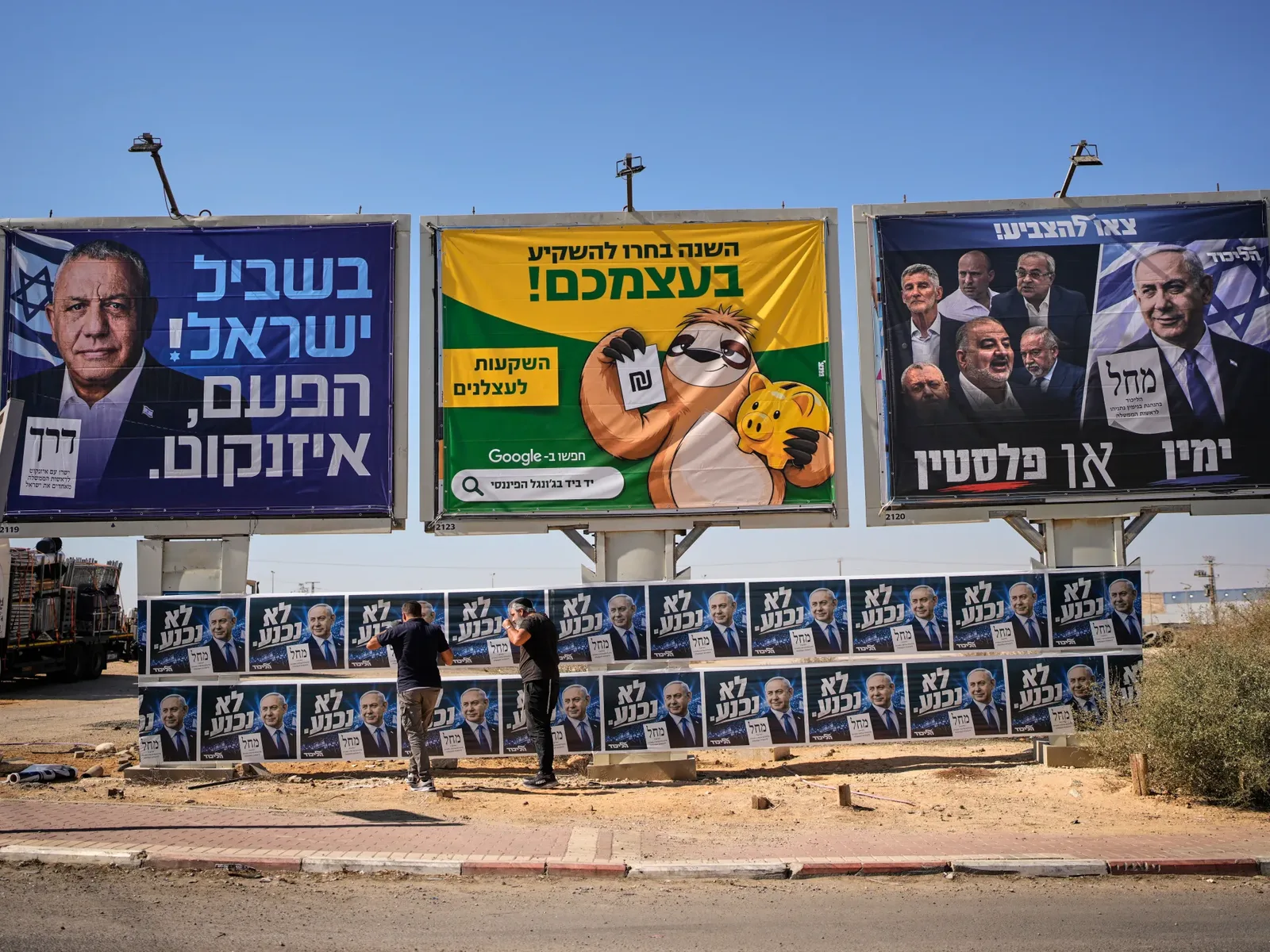
The election is the first since the October 7 Hamas attacks and subsequent conflict.
Recent polls indicate a tight race between Netanyahu's bloc and an opposition alliance.
Coalition dynamics may lead to various government formations, including minority or unity governments.
Israel is gearing up for a crucial election on October 27, which could potentially alter the political landscape and challenge Prime Minister Benjamin Netanyahu's long-standing leadership. This election marks the first since the Hamas-led attacks on October 7, 2023, which triggered a significant military response from Israel and escalated regional tensions. With all 120 Knesset seats up for grabs, the stakes are particularly high as voters head to the polls amidst ongoing violence and political uncertainty.
The backdrop of this election is steeped in recent history, as Netanyahu's government has faced mounting criticism and opposition following the events of early October. The political atmosphere is charged, with various parties vying for influence and control in a system that requires coalition-building to secure a governing majority. No party has ever achieved an outright majority of 61 seats, making alliances essential for any successful government formation.
Current polling suggests that the opposition bloc is poised to secure around 52 seats, while Netanyahu's religious-nationalist coalition is projected to win approximately 50 seats. This slim margin indicates a highly competitive environment, where Palestinian-led parties could play a pivotal role in determining the next government. The dynamics of coalition negotiations will be crucial, as parties must navigate complex alliances to establish a stable administration.
The implications of this election extend beyond immediate political outcomes. A shift in leadership could influence Israel's domestic policies and its approach to ongoing conflicts, particularly regarding relations with Palestinian communities and broader regional stability. The potential for a coalition government, whether led by Netanyahu or the opposition, raises questions about how effectively the new administration can address pressing issues such as security, crime, and discrimination.
Looking ahead, the election results will set the stage for a range of possible scenarios, from Netanyahu forming another government to the emergence of a national unity government or even another election if no consensus is reached. As the date approaches, the political landscape remains fluid, with all eyes on the Knesset as Israel navigates this critical juncture in its history.