Israel's Election Results: Coalition Talks Begin Amidst Deadlock
Following the October 27 elections, Israel faces a political impasse as no party secures a majority, leading to potential coalition negotiations.
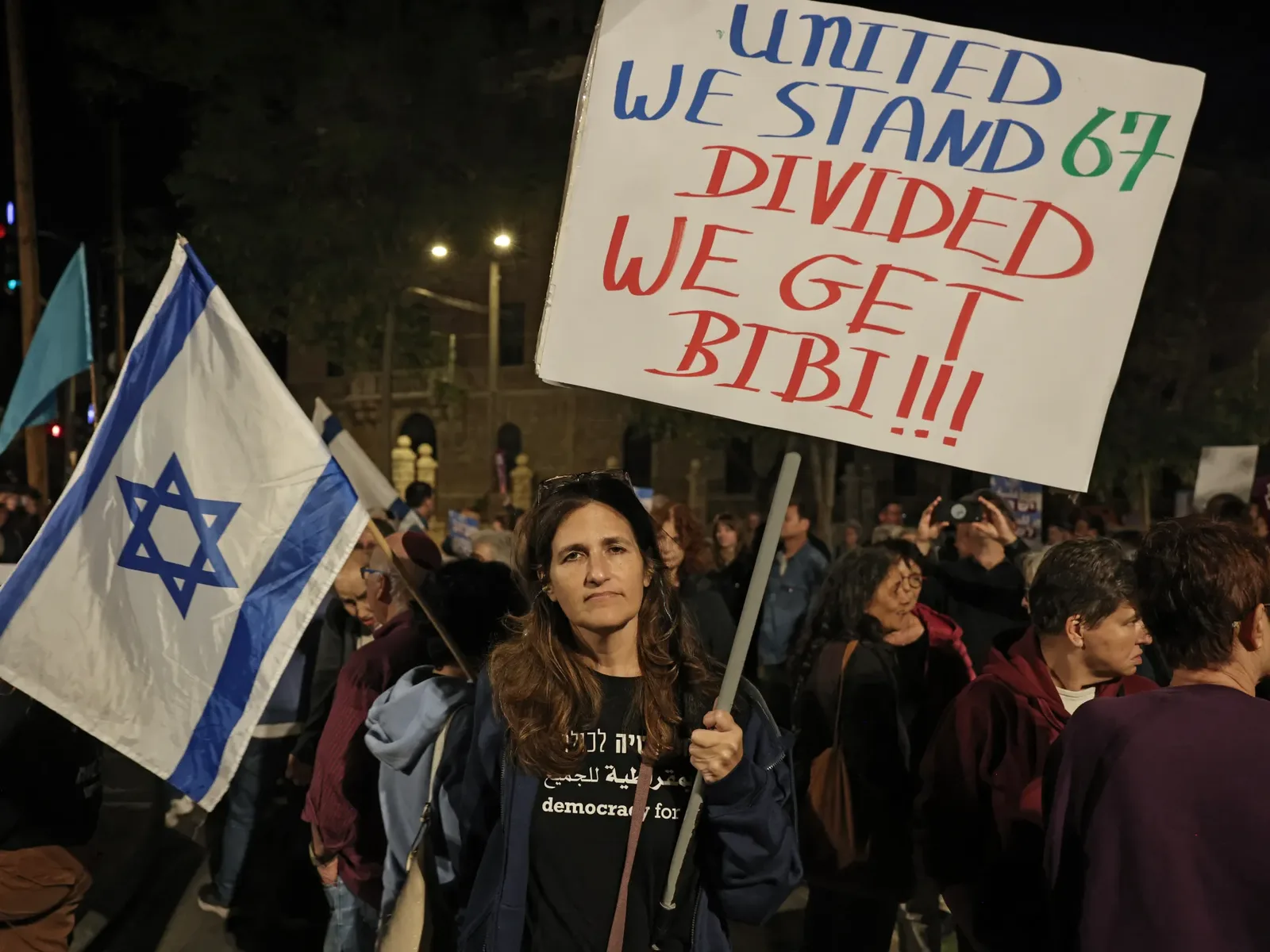
No party achieved a majority in the Knesset after the elections.
President Herzog must appoint a candidate to form a government by November 11.
Political negotiations may lead to a unity government or risk another election.
Israel's political landscape is in turmoil following the legislative elections held on October 27, 2026, which resulted in no party securing a majority in the Knesset. Prime Minister Benjamin Netanyahu's coalition lost its parliamentary majority, winning only 53 seats, while a bloc of opposing Jewish parties garnered 48 seats. Additionally, Arab-led parties captured 19 seats, leaving all factions short of the 61 required for a majority, thus complicating the path to a new government.
The election results are set to be officially certified by November 4, with the new Knesset scheduled to be sworn in on November 10. President Isaac Herzog is tasked with appointing a candidate to form a government by November 11. This candidate will have 28 days to negotiate a coalition, with a possible extension of 14 days. The leading candidates for this role include Netanyahu and Gadi Eisenkot, the head of the Yashar party, which received the most votes among opposition parties.
Herzog has emphasized the need for political leaders to seek innovative solutions to avoid a second election cycle. He has suggested that a unity government, which would involve cooperation between rival factions, could be a viable option. However, the feasibility of such a coalition remains uncertain, as Eisenkot and other opposition leaders have previously dismissed the idea of partnering with Arab-led parties, despite indications from some Arab leaders expressing willingness to support the opposition.
The implications of this political deadlock are significant for Israel's governance and stability. If Herzog's appointed candidate fails to form a coalition within the designated timeframe, the Knesset could be dissolved, leading to new elections within 90 days. In the interim, Netanyahu will continue to serve as caretaker prime minister, potentially prolonging his influence in Israeli politics despite losing the election.
As the political negotiations unfold, the future of Israel's government remains uncertain. The coming weeks will be critical as various factions explore potential alliances and the possibility of a stable governing arrangement. Observers are keenly watching how these developments will shape the political landscape and whether a consensus can be reached to avoid another electoral cycle.