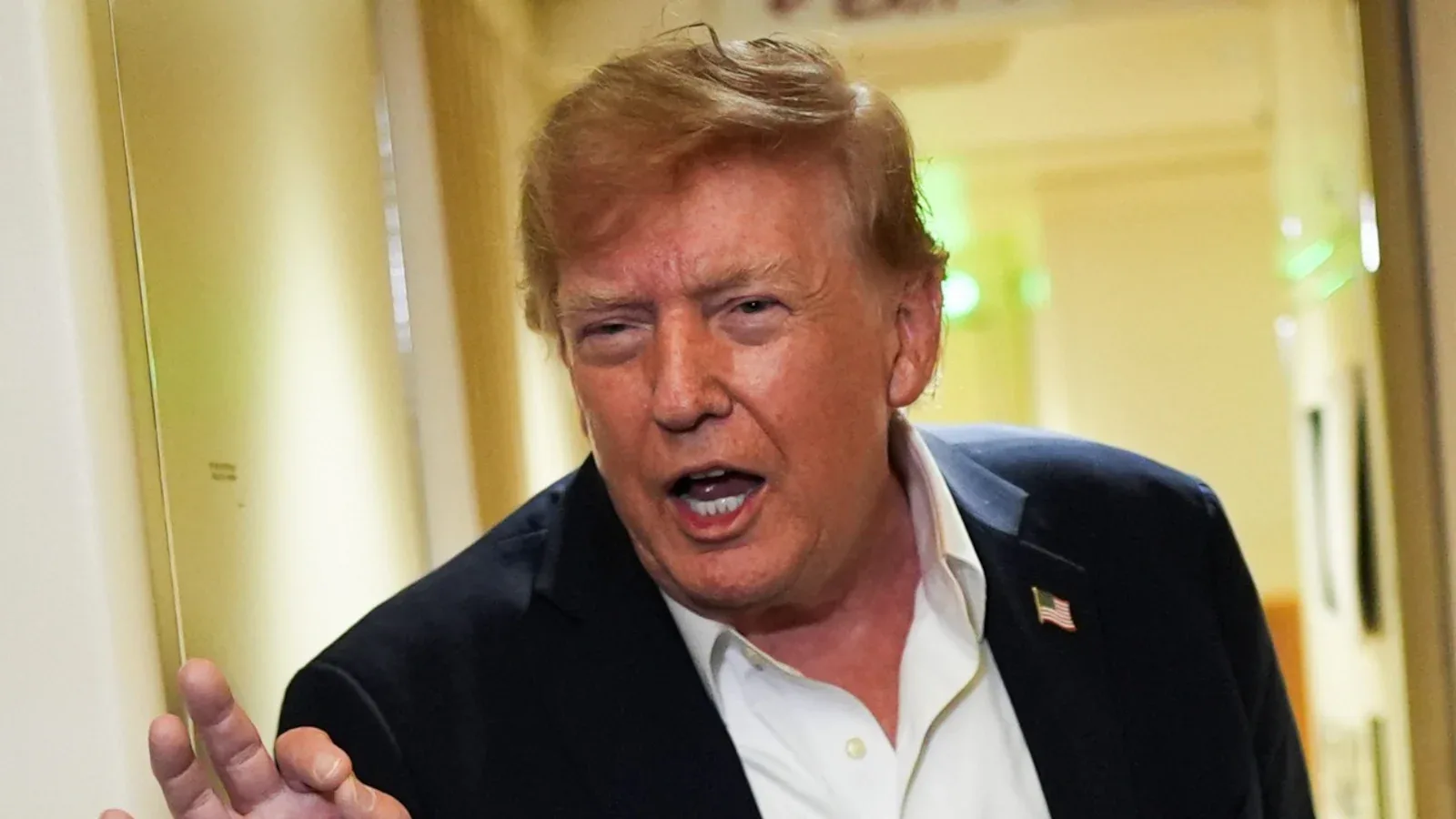
Iran Threatens 'Apocalyptic War' Amid U.S. Tensions
Iran warns of severe consequences if the U.S. resumes strikes, asserting its military readiness.
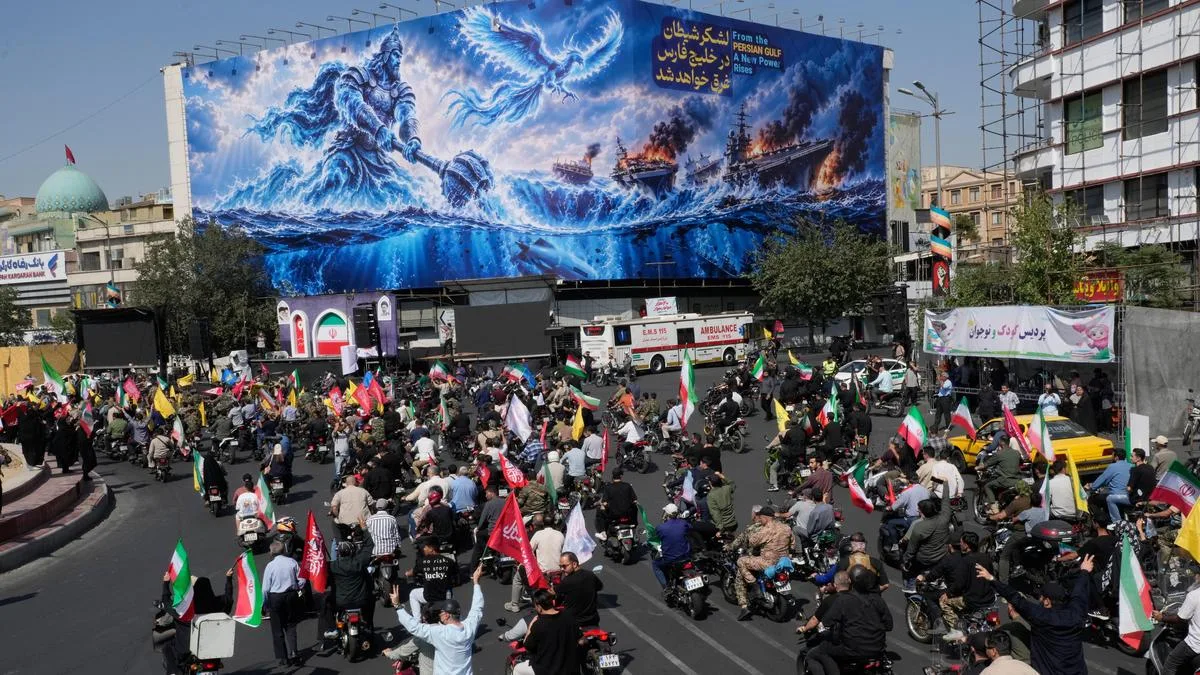
Iranian officials declare that U.S. naval forces are barred from the Persian Gulf.
Iran vows to retaliate against U.S. and Israeli attacks, claiming potential regional implications.
Recent U.S. statements suggest possible airstrikes against Iran in the coming days.
On October 24, 2026, Iran issued a stark warning regarding U.S. military presence in the Persian Gulf, stating that American warships would not be permitted to enter the region. Brigadier General Hossein Mohebbi of the Islamic Revolutionary Guard Corps emphasized that any aggression from the U.S. or Israel would lead to significant repercussions, not just for Iran but for neighboring countries as well. He declared that Iran would achieve 'absolute victory' in what he termed an 'apocalyptic war' should an attack occur.
The backdrop of these statements includes a history of conflict between Iran and the U.S., particularly following the initiation of hostilities on February 28, 2026, under U.S. President Donald Trump. Iranian military leaders have consistently maintained that their nation's territorial integrity and religious identity are paramount, and they have previously retaliated against U.S. bases and facilities in the Gulf region. General Ali Abdollahi, Chief of the General Staff of Iran's Armed Forces, reinforced this stance, asserting that U.S. naval forces are incapable of approaching the Persian Gulf.
Recent developments have heightened tensions, with U.S. officials indicating that airstrikes against Iran could resume imminently. U.S. Ambassador to Turkey, Tom Barrack, suggested that military action could occur within days, raising alarms in Tehran. Iranian leaders have countered these threats by asserting their military capabilities and readiness to respond decisively to any aggression.
The implications of renewed conflict could extend beyond Iran, affecting the stability of the Persian Gulf region and global oil markets. Iran has already threatened to target critical infrastructure in Gulf nations, including undersea data cables that are vital for internet connectivity. As Brent crude prices surged to $117 a barrel, the economic stakes of the ongoing tensions became increasingly apparent.
Looking ahead, the situation remains precarious as both Iran and the U.S. prepare for potential military actions. The Iranian government has vowed to defend its interests vigorously, while U.S. officials continue to evaluate their strategic options in the region. The coming days could prove crucial in determining the trajectory of U.S.-Iran relations and the broader geopolitical landscape in the Middle East.