Iran Proposes Reopening Strait of Hormuz in Two Days
Iran's Foreign Minister indicates a potential reopening of the Strait of Hormuz within two days if the US meets specific demands.
Iran demands the lifting of US sanctions and military reductions for reopening the strait.
Negotiations with Qatari mediators have accelerated the timeline for reopening.
Iran insists on formal recognition of a new shipping lane through the strait.
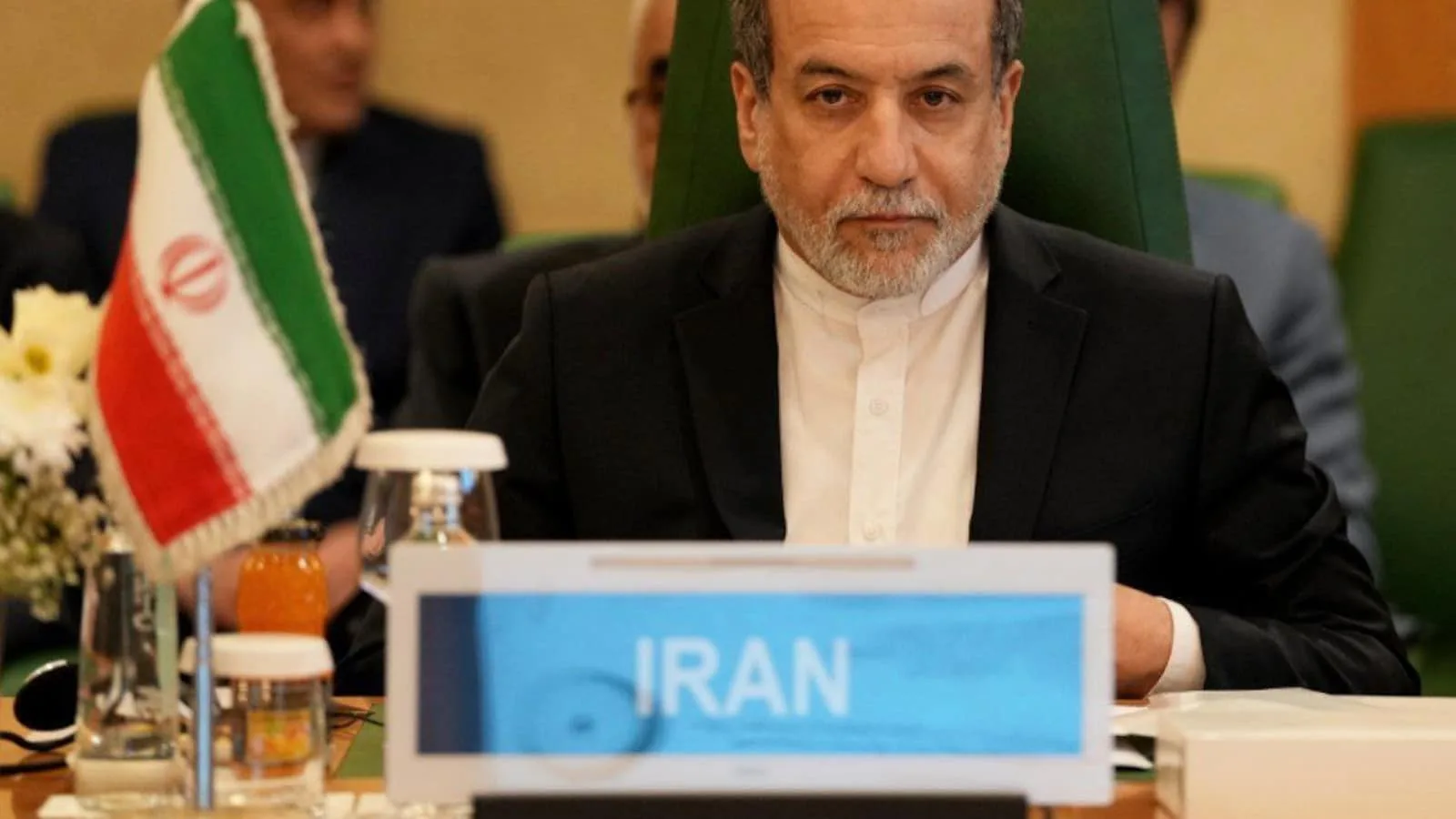
Iran's Foreign Minister, Abbas Araghchi, announced that the country is willing to reopen the Strait of Hormuz within two days, contingent upon the United States agreeing to its demands. This statement comes amid ongoing negotiations mediated by Qatar, aimed at addressing the tensions surrounding the strategic waterway. Araghchi noted that discussions have already led to a significant reduction in the proposed timeline for reopening the strait, which was initially set at five days.
The demands put forth by Iran include the lifting of sanctions imposed by the US following the collapse of the Islamabad Memorandum of Understanding, a decrease in US military presence in the region, reinstatement of oil waivers, and the release of frozen Iranian assets. Araghchi emphasized the necessity of restoring oil waivers and unfreezing funds, particularly those held in Qatar, as part of the negotiations.
In addition to these economic demands, Iran is seeking formal acknowledgment of new shipping routes through the Strait of Hormuz, which have been discussed with Oman. The Iranian Foreign Minister stated that fulfilling these conditions would pave the way for renewed negotiations with Washington regarding outstanding issues between the two nations.
The implications of this proposal are significant, as the Strait of Hormuz is a crucial passage for global oil shipments. The reopening could ease tensions in the region and potentially stabilize oil markets. However, the situation remains precarious, with Iran's top security official, Mohsen Rezaei, previously asserting that the strait would remain closed until Tehran's seven conditions are met, indicating a complex diplomatic landscape ahead.
Looking forward, the outcome of these negotiations remains uncertain. The US has shown a willingness to engage, as indicated by a recent letter from Vice President JD Vance to Rezaei, which reportedly shifted the tone of US-Iran relations positively. As both sides navigate these discussions, the international community will be closely monitoring developments, particularly regarding Iran's nuclear program and broader regional stability.